COVID-19 UPDATE


重要なお知らせ:ASOWorld の名前を騙ってパートタイムの採用や ASO 収入アプリ活動を行う詐欺にご注意ください。ASOWorld はパートタイムのスタッフを募集していません。ASOWorld が投稿した公式情報のみを信頼してください。

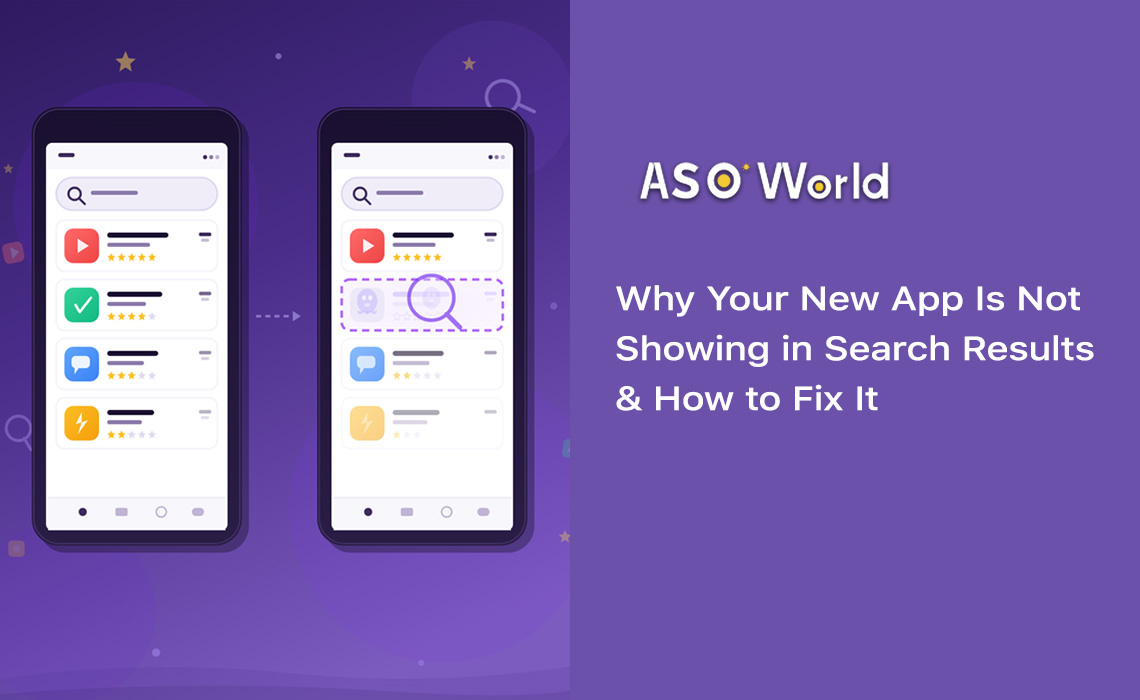
何ヶ月もかけてアプリを開発しました。デザインを完璧に仕上げ、すべての機能をコーディングし、興奮冷めやらぬうちにApp Store ConnectまたはGoogle Play Consoleで「提出」をクリックしました。しかし数日後、何かがおかしいことに気づきます。
App Storeで自分のアプリ名を検索してみると。何も出てこない。最も重要なキーワードを入力してみても。依然として何も。あなたの新しいアプリは、検索結果にまったく表示されていません。
これは、新規アプリ開発者が直面する最も一般的であり、同時に最も歯痒い問題の一つです。そしてこれはバグではありません。これは、アプリストアの発見メカニズムの仕様です。
App Storeには180万本以上のアプリがあります。Google Playには350万本以上があります。ゼロの実績、ゼロのキーワードカバレッジ、ゼロのインストール信号で新しいアプリをリリースした場合、検索アルゴリズムからは事実上不可視な存在です。可視性を決定するアプリストアのランキング要因は、コードの品質ではなく、関連性の信号、インストールボリューム、およびエンゲージメントデータに基づいており、それらはまだ構築されていません。
数千ものアプリのローンチを分析した結果、新規アプリがApp Store検索およびGoogle Play検索結果に表示されない核心的な理由を特定しました。これらの根本原因を理解することは、修正への第一歩です。
アプリが初めて公開されると、App Storeのインデックスシステムには、どの検索語句であなたのアプリをランク付けすべきかについてのデータがありません。Googleウェブ検索とは異なり、すぐにコンテンツをクロールできるのとは違って、App Storeは、その語句に対してアプリのインデックス登録を開始する前に、特定のキーワードに紐づいたインストール信号を必要とします。
これが「コールドスタート」問題です:インデックス登録されるためにはインストールが必要ですが、インストールを得るためにはインデックス登録されている必要があります。介入がなければ、新規アプリはこのループに数週間、あるいは数ヶ月閉じ込められることがあります。
アプリタイトル、サブタイトル、キーワードフィールド(iOS)、および説明文は、App Storeの検索アルゴリズムがアプリの機能を理解するために使用する主要な信号です。これらのフィールドが適切に最適化されていない場合——汎用的な用語で埋め尽くされている、重要なフレーズが欠落している、またはキーワードの関連性を無視している——アルゴリズムは単純にユーザーの検索とあなたのアプリをマッチングさせません。
多くの開発者は、人間向けに最初にメタデータを書き、アルゴリズム向けには後回しにします。これは逆です。アプリストアのメタデータ最適化には二重戦略が必要です:アルゴリズムが解析できる用語と、ブラウザーをインストーラーに変換できる用語の両方です。
インストールベロシティ——アプリがダウンロードを蓄積する速度——は、最も強力なApp Storeランキング要因の一つです。初週に10件のインストールしかない新規アプリは、どれほど優れたアプリでも、毎日500件のインストールを獲得している既存の競合他社に勝ることはできません。
アルゴリズムは、低いインストールボリュームをユーザーがアプリを関連性がないと判断する信号として解釈し、これにより負のフィードバックループが生じます:低いインストール数→低いランキング→より低い可視性→さらに少ないインストール数。
メタデータを更新した後でも、App Storeは即座にアプリを再インデックス登録しません。通常3〜7日間のApp Storeインデックス登録遅延があり、新規アプリの場合はさらに長くなることがあります。Google Playはさらに時間がかかります——意味のあるインデックス更新には最大2週間かかります。
多くの開発者は、キーワードを更新して24時間以内に変化がないことを見てパニックになります。これは正常です。しかし、これはこの遅延を考慮した戦略が必要であることを意味し、この遅延と戦う戦略ではありません。
新規アプリは「信頼信号の遅延」という状況に直面します。App Storeのアルゴリズムは、未知のアプリを高くランク付けすることに慎重です。検索結果にアプリを表示し始める前に、一定期間にわたる安定した信号——着実なインストール成長、ポジティブなエンゲージメント指標、低いアンインストール率——を確認する必要があります。
これは一晩でハックできるものではありません。しかし、適切なASOランキング信号戦略でプロセスを加速できます。
アプリが検索結果に表示され始めたとしても、低いコンバージョン率(掲載情報を見た後に「入手」または「インストール」をタップするユーザーの割合)は、アルゴリズムにランキングを急速に下げさせます。アイコン、スクリーンショット、プレビュー動画、および評価はすべてこの指標に影響を与えます。
アプリストアの発見システムは、ダウンロードだけを測定するわけではありません。アプリの起動、セッション長、定着率、アプリ内エンゲージメントも追跡します。インストールはあるが使用データがない新規アプリは、アルゴリズムに混合信号を送り、検索での可視性を制限します。
推測はやめて、ランキングを開始しましょう。
ASOWorldは、新規アプリがDay 1からキーワードカバレッジとインストール信号を正しい方法で、正しいペースで、正しいプラットフォーム上で構築するのを支援します。
問題を修正するには、そのメカニズムを理解する必要があります。App Storeの検索アルゴリズムは、大多数の開発者が想定するものとは異なる方法で動作します。新しいアプリを公開すると、実際に以下のようなことが起こります:
提出後、Appleのシステムはアプリの掲載情報を基本的にクロールします。アプリ名、サブタイトル、およびキーワードフィールドを読み取ります。この段階では、技術的にはインデックス内に存在する可能性がありますが、競争性の高いキーワードではランク付けされません。事実上検索ボリュームがない極めて長いテールの用語では表示されるかもしれません。
アルゴリズムは、ユーザーがあなたの掲載情報とどのように相互作用するかについてのデータの収集を開始します。メタデータに関連する用語をユーザーが検索していますか?掲載情報をタップしていますか?インストールしていますか?このフェーズは、アプリがより多くのキーワードインデックスに拡張されるかどうかを決定します。
特定のキーワードに紐づいたインストール信号に基づいて、アルゴリズムはキーワードインデックスへのアプリの割り当てを開始します。ここでApp Storeにおけるキーワードの関連性が重要になります——アルゴリズムは、メタデータ内のキーワードをアプリをインストールするユーザーの検索行動とマッチングさせます。
App Storeが難しいと思っていたら、Google Playには新規アプリの可視性に対する独自の障害があります。Androidアプリの発見可能性を理解するためには、Google Playのインデックス登録遅延とその独自のアルゴリズムを理解することが不可欠です。
比較的迅速にランキングを更新するApp Storeとは異なり、Google Playはより長いサイクルで動作します。メタデータ、キーワード、および掲載情報への変更が検索結果に反映されるまで、通常7〜9日かかります。これは、結果を測定する前に、行う最適化決定ごとにより長い準備期間が必要であることを意味します。
Google Playは完全なアプリ説明文をインデックス登録します(専用のキーワードフィールドを使用するApp Storeとは異なり)。これにより、キーワードをターゲットにするためのスペースが増えますが、同時にアルゴリズムがアプリの関連性を理解するためにより多くの文脈データを必要とすることも意味します。薄い説明文を持つ新規アプリにとって、これは大きな不利です。
Google Playは、App StoreよりもCPI(Cost Per Install)信号により強く反応します。対象となるアプリでは、CPIキャンペーンとASOキーワード最適化を組み合わせることで、どちらの戦略だけよりも効果的にインデックス登録を加速し、ランキングを改善できます。
| 要因 | App Store(iOS) | Google Play(Android) |
|---|---|---|
| インデックス速度 | 3〜7日 | 7〜14日 |
| キーワードフィールド | 100文字、専用フィールド | 専用フィールドなし — 完全な説明文がインデックス登録されます |
| インストール信号の重み | 高い | 高い + CPI増幅 |
| 最適化サイクル | 推奨3日以上 | 推奨7〜9日 |
| 主要なランキング信号 | キーワードインストール、コンバージョン率 | インストール数、説明文の関連性、エンゲージメント |
⚡ 専門家のヒント
不可視のサイクルを打破する準備はできましたか?
数千ものアプリが、ASOWorldの構造化された成長システムを使用して、「検索に表示されない」状態からページ1のランキングへと移行しました。危険なレビュー操作はありません。アルゴリズム上のペナルティもありません。持続可能なインストール信号だけです。
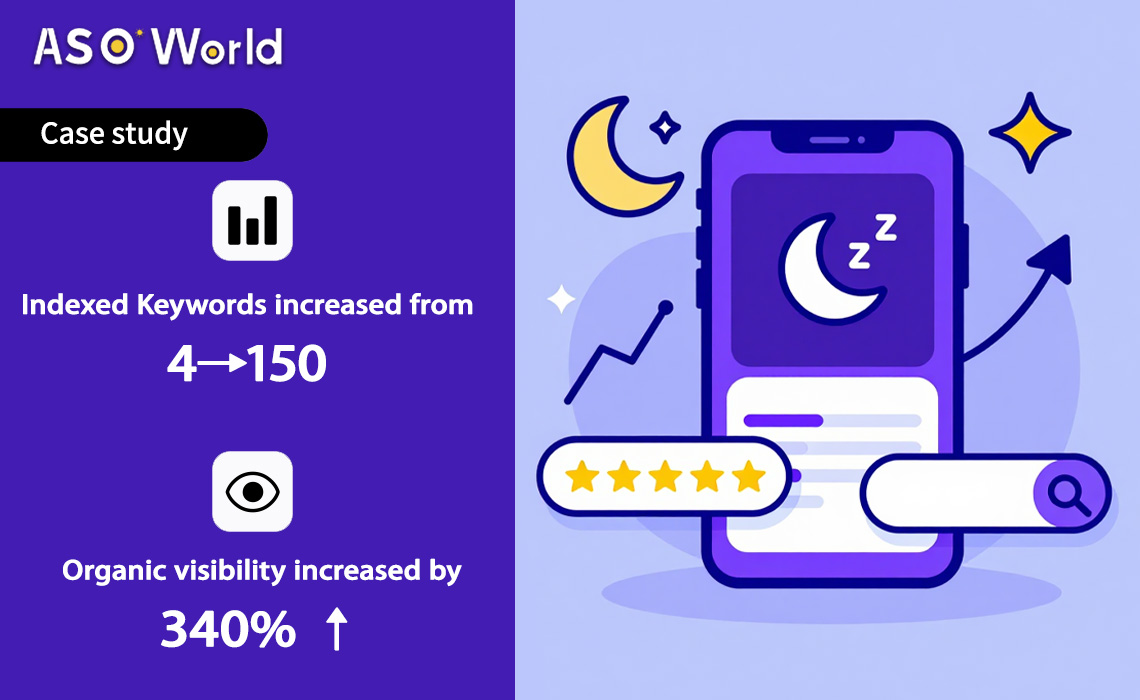
アプリが検索結果に表示されない理由を理解したので、次は修正方法です。これは漠然としたヒントのリストではありません——ゼロ可視性から素早く脱却するために特別に設計された実行可能なアプリストア最適化戦略です。
最初の優先事項は、キーワードカバレッジの確立です。これがなければ、他のことは何も意味を持ちません。アプローチは以下の通りです:
⚡ ASOWorldコールドスタートソリューション
あなたのメタデータは2つのオーディエンスに奉仕します:インデックス登録アルゴリズムと、検索結果であなたの掲載情報を見る人間です。両方を満足させる必要があります:
一度だけのインストールの急増では不十分です。アルゴリズムは、時間の経過とともに一貫した、持続可能なインストール成長を報奨します。突然の急増の後に沈黙があると、疑わしく見え、実際にランキングを損なう可能性があります。
iOSの場合、最低限3日サイクル以上にわたる持続的なインストール活動を目指してください。Google Playの場合、7〜9日の最適化ウィンドウを計画してください。これは、各プラットフォームのアルゴリズムの自然なリズムに一致し、攻撃的なワンタイムプッシュに起因するランキングの変動を防ぎます。
最終ステップは、大多数の開発者が飛ばすものです:実際に効果があったものを測定することです。どのキーワードに投資する価値があり、どれを優先順位から下げるべきかを知るためには、インストールボリュームとキーワードランキングの変化との関係を把握する必要があります。
ここでアプリストア最適化のベストプラクティスがリアルな成長分析と出会います。キャンペーンを実行しているだけではなく、アプリの発見可能性を継続的に向上させるフィードバックループを構築しているのです。
ASOWorld初回購入割引
初回注文で50%オフを獲得して、アプリの成長を始めましょう!
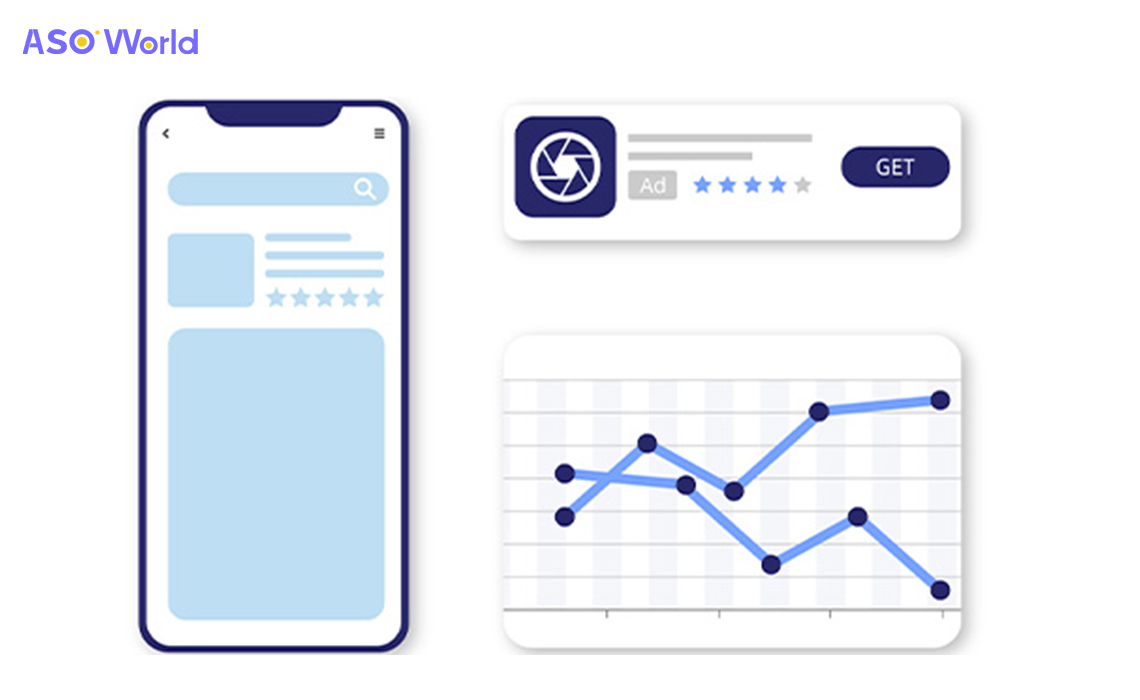
これはまさにASOWorldが解決するために構築された問題です。ツールを寄せ集め、キーワード戦略を推測し、結果を祈るのではなく、ASOWorldは、アプリを不可視から発見可能へと導く構造化された、データ駆動型のシステムを提供します。
4ステップのワークフローは以下の通りです:
ASOWorldはゼロからのキーワードカバレッジをサポートします。アプリ成長サービス(ASOメタデータ最適化とインストール信号強化を組み合わせたもの)を通じて、新規アプリは即座にインデックス信号の構築を開始します。オーガニックな発見を待つ必要はありません。システムは、持続的なキーワードタグ付きインストールボリュームを通じてターゲットキーワードをカバーし——危険なレビュー操作に依存することなく——検索インデックス内にアプリの存在感を確立します。
ASOWorldはiOSとAndroidを同じように扱いません。App Storeキャンペーンでは、最低3日サイクルの持続的な注文モデルを使用し、ワンタイムの急増によるランキング変動を避けながら一貫したインストール信号を提供します。Google Playでは、より遅いアルゴリズムフィードバックループに適応し、7〜9日の最適化サイクルを使用します——対象となるアプリではCPI戦略を重ねることも可能です。この「リズムコントロール」アプローチは、力任せのインストールをアルゴリズム的にタイミングされた成長に置き換えます。
複数日および複数プラットフォームにわたるキーワード管理は、手動では悪夢です。ASOWorldはこれを構造化されたワークフローに変えます:推奨キーワード + ワンクリック選択のためのカスタムキーワードライブラリ、一括キーワード日次ボリューム設定、トレンドベースの配信を伴う多日キャンペーン計画、およびキャンペーンタイムライン全体でのキーワード分布を微調整するためのプレビューモード。以前は手作業で何時間もかかった作業が、構造化された管理で数分になります。
ASOWorldはキャンペーンを実行するだけではありません——何が効果的かを示します。注文とキーワードランキングが並んで表示されるため、どのインストールボリュームがどのランキング変化と相関しているかを正確に把握できます。棒グラフは日次配信ボリュームとランキングの動きを示します。システムは「トラフィックを牽引するキーワード」——実際のオーガニック成長を生み出す用語——を特定し、キーワードポートフォリオを最適化して効果的なものに集中できます。これにより、ASOWorldはツールから完全なアプリ成長分析システムへと変貌します。
新規アプリは、App Storeのアルゴリズムがインデックス登録およびランク付けを開始する前に、特定のキーワードに紐づいたインストール信号を必要とします。キーワードカバレッジと一貫したインストールボリュームがなければ、アプリは不可視のままです。これは通常、オーガニックに解決するまで2〜6週間かかりますが、Day 1からキーワードタグ付きインストール信号を生成する構造化されたASOキャンペーンによって加速できます。
App Storeでは、メタデータ更新後の初期インデックス登録に3〜7日、意味のあるキーワードランキングには2〜6週間を見込んでください。Google Playはさらに時間がかかります——メタデータ変更が反映されるまで通常7〜14日、キーワード位置が安定するまで3〜8週間です。一貫したインストール信号キャンペーンでこれらのタイムラインを短縮できます。
3つのことに焦点を当ててください:(1) 関連性の高い、よく研究されたキーワードでメタデータを最適化する。(2) 一貫してキーワードタグ付きインストールボリュームを生成する——一度だけの急増ではなく、持続的な日次活動で。(3) 各プラットフォームのアルゴリズムリズムに一致する構造化されたASOアプローチを使用する。ASOWorldのようなツールは、メタデータガイダンスとプラットフォームを認識したインストールキャンペーン、およびリアルタイムランキング帰属を組み合わせることで、このプロセスを自動化します。
Google Playは完全なアプリ説明文をインデックス登録し、App Storeよりも長いフィードバックサイクルを持っています。アプリが表示されない場合、おそらく説明文にキーワードの関連性が欠けているか、ランキングをトリガーするインストールボリュームが低すぎるか、またはアルゴリズムが十分な信号データを収集していないことを意味します。Google PlayはまたCPI信号に強く反応するため、有料インストールキャンペーンとASO説明文の最適化を組み合わせることは、このプラットフォームで特に効果的です。
はい、メタデータ最適化だけでは不可能です。オーガニックASOは、キーワードランキングを確立するためにインストール信号を必要とします。有料広告(Apple Search Ads、Google UAC)はインストールを生成できますが、ASOWorldのような専門ASOキャンペーンプラットフォームは、検索ランキングを直接改善するキーワードタグ付きインストールを具体的にターゲットにすることで、より費用対効果の高いアプローチを提供します——これは一般的な広告キャンペーンが最適化しないものです。
新規アプリにとって、最も影響力のあるランキング要因は:(1) メタデータ内のキーワード関連性、(2) 特定のキーワードに紐づいたインストールベロシティ、(3) コンバージョン率(掲載情報を見た後にインストールするブラウザーの割合)、および(4) 早期のエンゲージメント信号です。評価とレビューも重要ですが、初期インデックス登録にはインストール信号が二次的です。これら4つの領域で同時に強度を構築することは、検索可視性への最速の道です。
Get a good start for your app optimization with practical ASO guideline!
Want to get the latest Guides & Insights from ASOWorld?
関連するマーケティング ガイドライン