COVID-19 UPDATE


Important Notice:Beware of scams using ASOWorld's name for part-time recruitment or ASO earning app activities. ASOWorld is not hiring any part-time staff. Trust only official information posted by ASOWorld.

In 2026, improving app ratings and reviews is no longer just about increasing volume. It requires balancing user experience, timing, and strict compliance with app store policies.
Ratings and reviews now act as compound growth signals. They directly influence conversion rate, keyword visibility, and how app stores evaluate product quality. At the same time, stricter enforcement and AI-generated review summaries are making manipulation riskier and authentic signals more valuable.
This guide explains how to improve ratings and reviews safely, what creates penalty risk, and how to build a system that supports sustainable ASO growth.
Ratings and reviews increasingly shape both visibility and decision-making before a user installs.
They influence how users evaluate trust, how effectively store traffic converts, and how confidently platforms surface an app in search and browse. With the introduction of AI-generated review summaries, aggregated sentiment now plays a more direct role in first impressions.
For growth teams, this means ratings and reviews are no longer passive outputs. They are active levers that can accelerate or limit growth.
Scaling reviews without understanding policy boundaries is one of the fastest ways to damage long-term performance.
High-risk behaviors include incentivized ratings, fake or low-quality reviews, coordinated submissions, and unnatural spikes in volume. Even subtle manipulation, such as filtering only satisfied users or guiding review content, can create enforcement risk.
👉 Why Reviews Get Deleted by App Stores
👉 How to Buy Reviews Safely and Avoid Penalties
The consequence is not just review removal. It can lead to trust score decline and long-term visibility suppression.
The most effective review strategies are built on timing rather than pressure.
Users are far more likely to leave positive feedback after completing meaningful actions, such as finishing a task or achieving a goal. Prompting too early or during friction points often leads to neutral or negative outcomes.
👉 Simple techniques to encourage better reviews without harming compliance
Platform-native prompts should be used selectively, aligned with positive user moments rather than frequency.
Improving review quality starts with improving user experience.
Negative sentiment is often tied to specific friction points, such as onboarding issues, bugs, unclear value, or unmet expectations. Addressing these issues has a direct impact on review outcomes.
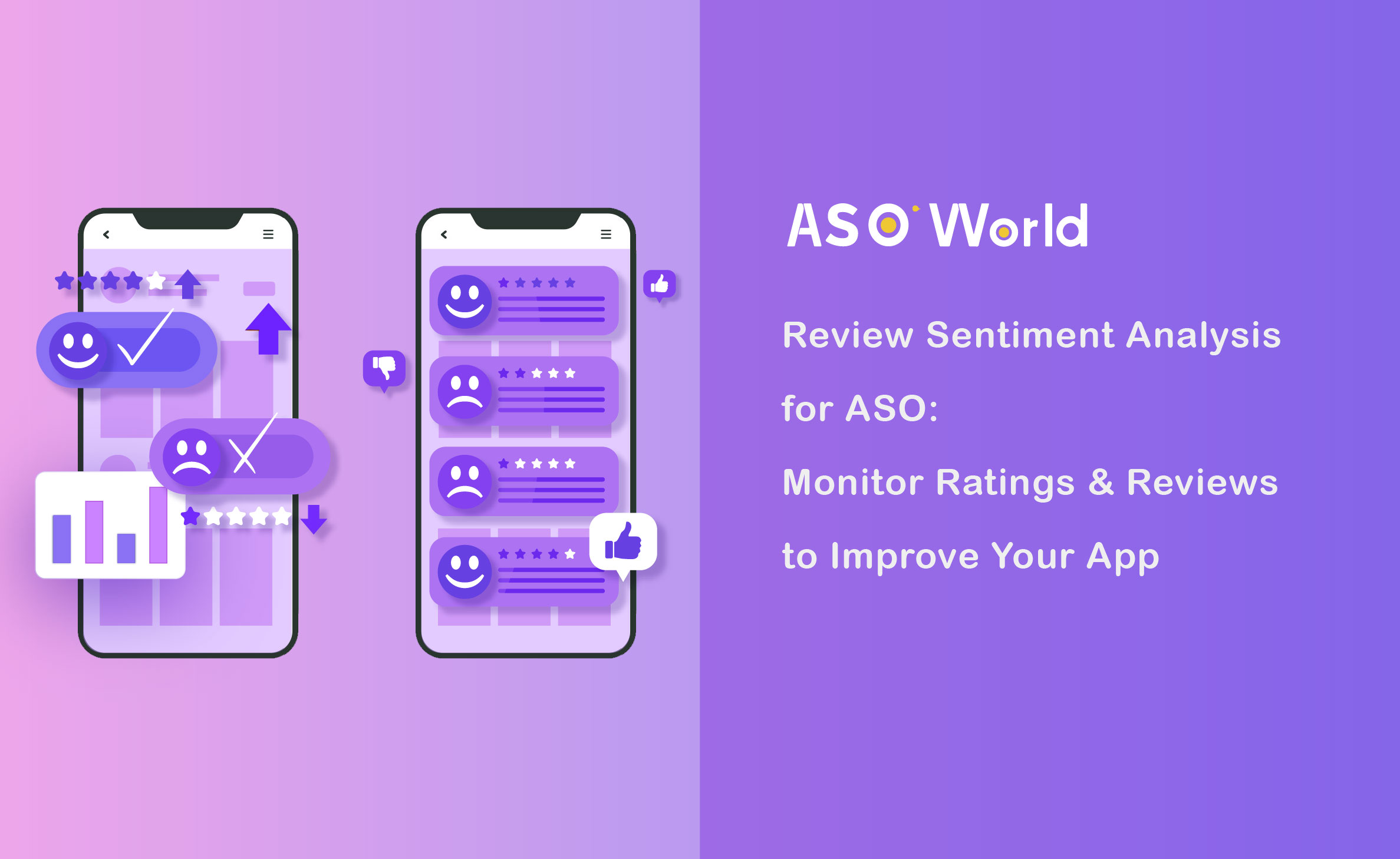
👉 How review sentiment analysis supports ASO optimization
In parallel, review handling plays a critical role. Responding to feedback, resolving issues, and closing the loop with users can reduce negative impact and increase the likelihood of updated ratings.
This shifts the strategy from “getting more reviews” to shaping better user outcomes that naturally generate better reviews.
At a certain stage, ratings and reviews stop being a secondary factor and become a primary constraint.
This typically happens when:
👉 ASO Best Practices for Improving App Ratings & Reviews
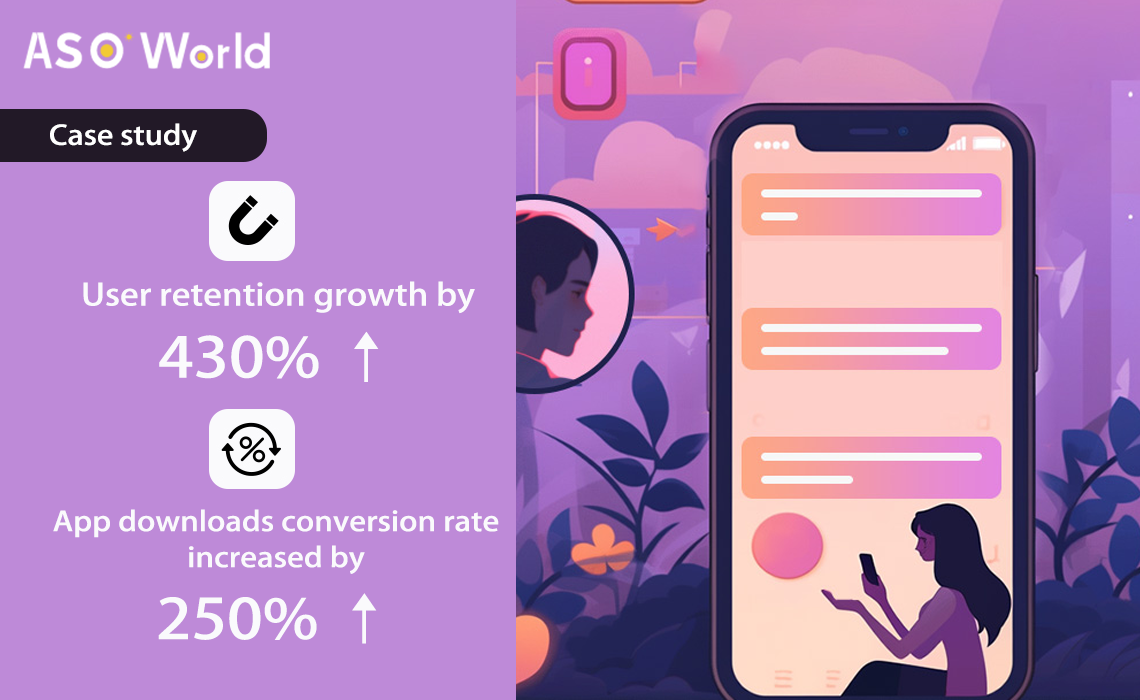
At this point, incremental improvements are often not enough. A more structured approach is required.
👉 App Ratings & Reviews Management Solutions
Negative reviews should be treated as both a risk signal and an opportunity.
They highlight where user expectations are not being met and where product or communication gaps exist. Ignoring them allows sentiment to compound, while structured responses can reduce damage and improve perception.
👉 How to extract competitor insights from app review analysis
A consistent response system, combined with internal feedback loops, helps transform negative feedback into actionable insight rather than ongoing friction.
A major shift in 2026 is how reviews are interpreted at scale.
AI-generated summaries aggregate user sentiment into a single narrative, influencing how new users perceive the app within seconds. This reduces the impact of individual reviews and increases the importance of overall sentiment consistency.
👉 How to optimize for AI-driven review summaries in the App Store
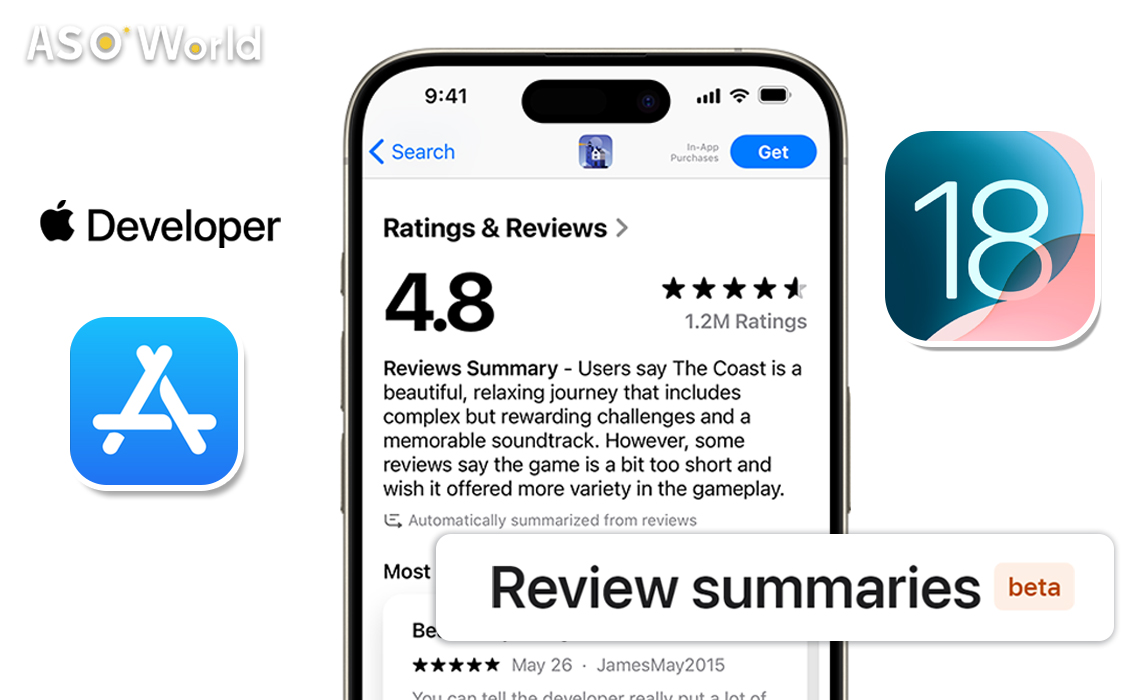
This means teams must manage not just ratings, but the broader sentiment landscape that feeds into these summaries.
Sustainable review growth is not campaign-driven. It requires an operational system.
Effective teams align multiple layers:
This integrated approach turns ratings and reviews into a stable growth driver rather than a volatile metric.
ASOWorld First Order Discount
Get 50% off on your first order to start your app growth!

Most teams understand that ratings and reviews matter. The challenge is executing without creating risk or instability.
Improving review signals at scale involves coordinating product, ASO, support, and compliance. Without a structured approach, teams often face slow progress, inconsistent results, or unintended penalties.
ASOWorld provides ratings and reviews solutions designed to improve sentiment, stabilize growth, and increase conversion while staying within platform guidelines.
If your app is experiencing low ratings, inconsistent feedback, or conversion bottlenecks, this is typically the stage where a structured review strategy delivers the most impact.
→ Start optimizing your ratings and reviews with a risk-controlled approach
Get a good start for your app optimization with practical ASO guideline!
Want to get the latest Guides & Insights from ASOWorld?
Related posts