В сентябре 2026 года Google выпустила пять отдельных волн обновлений в Google Play: сервисы Play v26.35 – v26.37, Play Store v53.1 – v53.3, Android WebView v154 и v155, а также текущие улучшения AICore и System Intelligence. По отдельности большинство из них выглядят как рутинные записи в журнале изменений. Однако вместе они меняют способы обнаружения приложений (новое поле описания в разделе «Похожие приложения»), процесс сбора рейтингов (обновленный Центр вкладов), ощущения пользователя при оплате (цены в Wallet в реальном времени и транспортные карты NFC), а также работу функций семейной безопасности на разных устройствах.
В этом обзоре подробно разбирается, что именно изменилось, какие обновления критичны, а какие — лишь фон, и как каждое из них вписывается в ваш план по ASO и маркетингу приложений на 4-й квартал.
Каковы крупнейшие системные обновления Google Play в сентябре 2026 года?
Вот всё, что Google выпустила в этом месяце, сгруппированное по волнам релизов и переведенное с языка технических логов на язык преимуществ для разработчиков и маркетологов.
23 сентября — Android WebView v155: потокобезопасные API навигации
- Потокобезопасные API навигации: API
Navigation и NavigationListener в androidx.webkit были переработаны для обеспечения потокобезопасности.
- Безопасность и конфиденциальность: Общие улучшения и исправления ошибок.
- Новые функции для разработчиков: Дополнительные возможности для приложений, отображающих веб-контент внутри интерфейса.
Как и в случае с WebView v154 на предыдущей неделе, Google отмечает, что некоторые из этих функций являются экспериментальными и доступны только части пользователей.
🔧 Совет разработчику: Если ваше приложение вызывает методы навигации WebView или прослушивает события навигации из фонового потока (что часто встречается в гибридных приложениях), это обновление устраняет класс «состояний гонки» (race conditions), которые раньше приходилось обходить вручную. Рекомендуется провести регрессионное тестирование логики переключения потоков вокруг NavigationListener, как только ваши пользователи перейдут на v155.
21 сентября — Google Play Store v53.3 и сервисы Play v26.37: улучшения для Wear, Motion Assist и шрифты Emoji
- Расширение поддержки местных валют: Пользователи в Аргентине, Азербайджане, Узбекистане и Эфиопии теперь могут совершать покупки в местной валюте на устройствах Auto, ПК, телефонах, ТВ и Wear.
- Редизайн результатов поиска на Wear: Визуально обновлена страница результатов поиска Play Store на Wear OS.
- Предварительная регистрация в список желаемого: Пользователи теперь могут добавлять платные игры с предрегистрацией в список желаемого сразу после их публикации, до полноценного запуска.
- Синхронизация данных Wear: Улучшена надежность и исправлены ошибки при передаче метрик в реальном времени с часов на телефон.
- Motion Assist: Едва заметные визуальные фигуры на экране, движущиеся синхронно с автомобилем, теперь помогают смягчить укачивание при использовании приложений в машине.
- Режим «Не беспокоить» во время вождения: Эту функцию теперь легче найти в системных настройках.
- Производительность устройства: Общие улучшения стабильности и производительности системных служб управления, а также поддержка более крупных и детализированных системных шрифтов эмодзи на всех платформах.
🌐 Совет по расширению рынка: Поддержка местных валют в Аргентине, Азербайджане, Узбекистане и Эфиопии — это не просто удобство, а сигнал. Google добавляет локальные платежные шлюзы на рынки, где ожидает роста объема установок. Если эти страны входят в сферу ваших интересов, сейчас отличный момент, чтобы проверить локализацию страницы приложения и ценовые категории, прежде чем туда придут конкуренты.
14 сентября — Google Play Store v53.2 и сервисы Play v26.36: Wallet, Центр вкладов и кросс-девайсная настройка
- Центр вкладов (Contribution Hub): Новый блок на вкладке «Вы» в Play Store позволяет пользователям оставлять оценки и отзывы, отслеживая социальную значимость своего вклада.
- Цены в Wallet в реальном времени: Цены в корзине теперь корректируются в реальном времени на ПК и телефонах, если покупатель меняет способ оплаты во время оформления заказа.
- Повторная регистрация бесконтактной оплаты: Пользователям, переходящим на новое устройство, теперь предлагается заново добавить свои карты бесконтактной оплаты в Google Wallet.
- Кросс-платформенная настройка устройств: Новые функции для разработчиков позволяют приложениям поддерживать процессы настройки устройств, охватывающие несколько операционных систем.
- Функции для разработчиков Карт: Новые API для Google и сторонних разработчиков, создающих функционал, связанный с Картами.
- Обмен местоположением: Улучшен интерфейс обмена местоположением в управлении аккаунтом на телефонах и Wear.
- Подключение устройств, местоположение и контекст: Новые функции для разработчиков в обеих областях; общие улучшения обновляемости и диагностики системного управления.
💸 Совет по стратегии монетизации: Корректировка цен в корзине в реальном времени устраняет распространенный барьер при покупке — пользователи, меняющие способ оплаты, больше не видят неактуальную цену. Если в вашем приложении есть встроенные покупки или подписки, стоит протестировать это сейчас: через несколько недель в данных воронки должно проявиться снижение числа брошенных корзин на этапе выбора оплаты.
Не уверены в текущем положении вашего приложения перед планированием оптимизации на следующий месяц?
Запустите бесплатную проверку с помощью ASO-инструментов ASOWorld, чтобы увидеть текущий охват ключевых слов и распределение рейтингов, прежде чем расставлять приоритеты в этой волне обновлений.
Проверить мое приложение бесплатно →
10 сентября — Android WebView v154: безопасность, конфиденциальность и переход к Finch-согласованности
- Изменение согласованности Finch: Система удаленного управления флагами функций WebView Finch перешла с уровня приложения на уровень устройства. Это может изменить способ развертывания экспериментальных функций WebView в приложениях на конкретном устройстве.
- Безопасность и конфиденциальность: Общие улучшения и исправления ошибок.
- Новые функции для разработчиков: Дополнительные возможности для приложений, отображающих веб-контент.
Google предупреждает, что некоторые функции WebView экспериментальны — если ваше приложение использует веб-вью для онбординга, справочных центров или гибридных экранов, воспринимайте любые различия в поведении в этом месяце как ожидаемую вариативность развертывания, а не как ошибку в коде.
7 сентября — Google Play Store v53.1 и сервисы Play v26.35: описание в «Похожих приложениях», родительский контроль и NFC Wallet
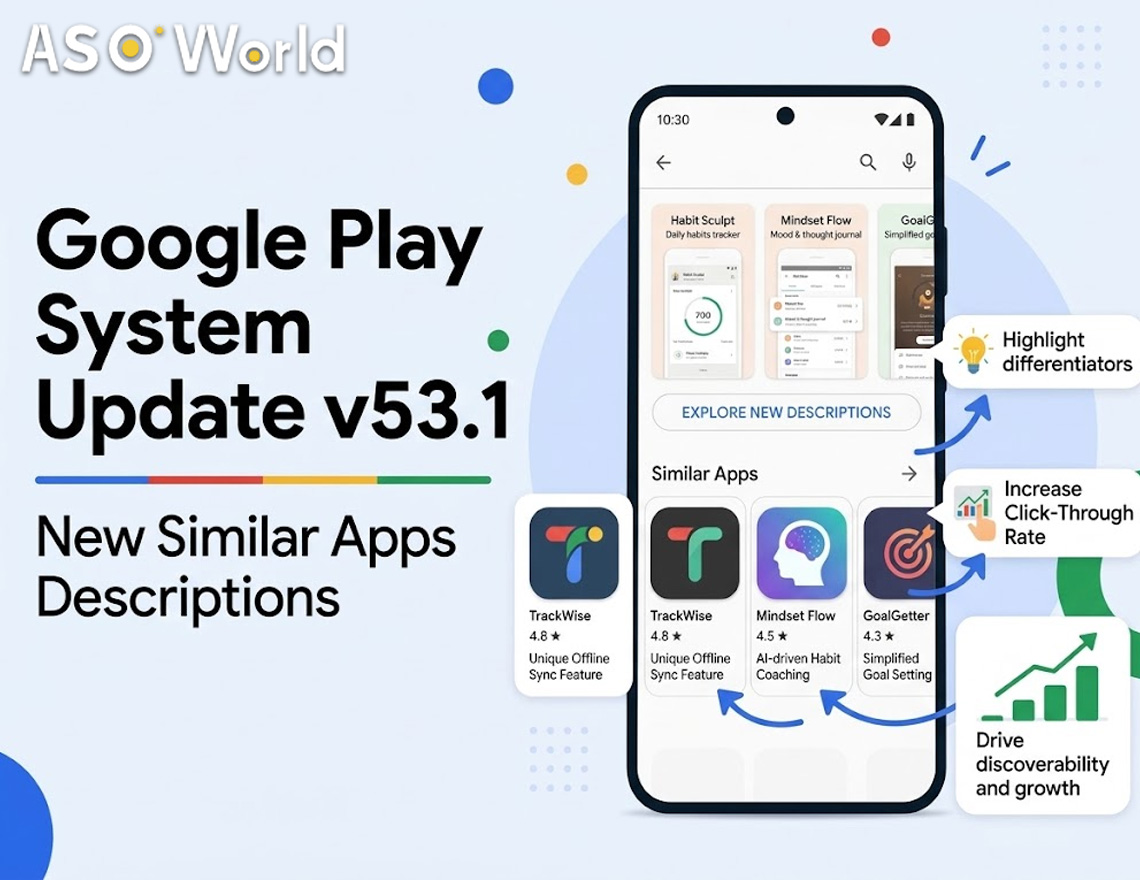
- Краткое описание в «Похожих приложениях»: Теперь рядом с каждым результатом в разделе «Похожие приложения» на страницах сведений об приложении отображается краткое описание ключевых функций (подробнее ниже).
- Субнавигация по другим устройствам: Пользователи теперь могут видеть, на каких из их устройств установлено приложение, просматривая рекомендации.
- Новая панель навигации: Обновленная панель навигации помогает пользователям находить больше интересов прямо с главных страниц Play Store.
- Улучшения родительского контроля: Обновления управления аккаунтом усиливают функции родительского контроля на телефонах и Wear.
- Модуль аутентификации для детей: Новая инфраструктура управляет и отображает уведомления о соответствии нормативным требованиям для приложений, подпадающих под правила защиты конфиденциальности детей на Android.
- Статус безопасности при обмене местоположением: Общие местоположения в API обмена местоположением теперь включают информацию о статусе безопасности.
- Транспортные карты NFC: Пользователи могут добавлять физические транспортные карты и их баланс в Google Wallet с помощью NFC.
- Редайзайн экрана «Добавить карту» в Wallet: Появился новый экран успешного добавления с улучшенным интерфейсом.
🔒 Совет по комплаенсу: Если ваше приложение рассчитано на смешанную аудиторию, стоит изучить новую инфраструктуру Kids Auth Module вместе с юристами. Требования к уведомлениям для детских приложений во всем мире ужесточались на протяжении всего 2026 года, и появление этого на уровне платформы говорит о том, что контроль будет только усиливаться.
Android AICore и System Intelligence — локальный ИИ продолжает развиваться
- Android AICore: Улучшение управления моделями, расширение совместимости устройств, оптимизация производительности и улучшенная диагностика ИИ на устройствах (ПК и телефоны).
- Android System Intelligence B.29 / C.7 (3 сентября): Исправления ошибок и общее обслуживание.
Почему новое описание в «Похожих приложениях» важно для вашего ASO?
Из всех релизов этой волны краткое описание в разделе «Похожие приложения» (Play Store v53.1) — это единственное изменение с прямым и измеримым влиянием на ASO. Ранее этот раздел был пассивным слотом для рекомендаций: Google решал, что там будет отображаться, и у разработчиков не было возможности влиять на представление своего приложения. Теперь рядом с каждым приложением появляется короткое описание функций, на которое может влиять разработчик, превращая этот раздел в полноценную зону оптимизации.
Мы подробно разобрали механику и стратегии для этой функции в нашем специальном обзоре обновления «Похожие приложения». Если кратко: большинство разработчиков еще не оптимизировали это поле, что создает для вас преимущество в ближайшие несколько недель, пока это не стало стандартом. Дифференцированный, легко читаемый текст, выделяющий конкретное конкурентное преимущество, — это то, что отличает приложения с высокой конверсией из этого раздела от тех, которые просто пролистывают.
Но прежде всего нужно ранжироваться достаточно высоко, чтобы попасть в эти слоты.
Хорошее описание бесполезно, если ваше приложение не отображается рядом с нужными конкурентами. Сервис установок по ключевым словам от ASOWorld настраивает ежедневный объем установок под ваши целевые запросы, что определяет ваше присутствие в «соседстве», где происходит трафик похожих приложений. Поскольку алгоритм Google Play реагирует медленнее, чем у Apple, мы рекомендуем циклы кампаний по 7–9 дней.
Как Центр вкладов и обновления Wallet должны повлиять на вашу стратегию?
Два изменения в этой волне затрагивают доверие и деньги соответственно, и оба требуют взвешенной реакции.
Центр вкладов и отзывы. Новый Центр вкладов объединяет подачу рейтингов и отзывов в одном блоке на вкладке «Вы», показывая пользователю его «социальное влияние». На практике это изменение UX, а не новый канал привлечения. Стоит следить за объемом отзывов, но мы предостерегаем от использования генерации отзывов как основного рычага роста: такие тактики имеют более слабое удержание, чем привлечение через ранжирование. В нашем руководстве по отзывам подробно описаны риски и выгоды. Более устойчивый путь — сначала улучшить ранжирование, чтобы реальные пользователи находили вас органически и оставляли ценные отзывы.
Wallet и монетизация. Обновления цен в реальном времени, карты NFC и редизайн интерфейса — всё это часть стремления Google сделать Wallet платежным слоем по умолчанию. Большинству разработчиков не требуется менять код, но если ваше приложение принимает платежи, стоит протестировать процесс оформления заказа в этом месяце, чтобы убедиться, что динамические или акционные цены отображаются корректно.
Что делать разработчикам и маркетологам дальше?
-
Напишите и протестируйте описание для «Похожих приложений» на этой неделе. Это самое эффективное и простое действие из всей волны обновлений. Сформулируйте ваше главное отличие простым языком и оцените результат через 2-3 недели.
-
Пересмотрите стратегию ключевых слов перед сезонным трафиком 4-го квартала. Ваша видимость в «Похожих приложениях» зависит от ранжирования по правильным терминам. Наше руководство по исследованию ключевых слов поможет провести аудит охвата.
-
Соответствуйте инвестициям в ASO текущей стадии вашего приложения. Новому приложению нужен иной подход, чем устоявшемуся лидеру. Сравнение стандартных и премиальных ASO-пакетов поможет выбрать правильный план роста.
-
Проверьте комплаенс и воронку оплаты. Приложения для семейной аудитории должны изучить влияние Kids Auth Module; приложения с покупками — протестировать поведение цен в Wallet.
Ни одно из этих действий не требует немедленного выполнения «прямо сегодня», но окно возможностей в «Похожих приложениях» сужается, а работа над ранжированием сейчас даст плоды как раз к пику праздничного трафика 4-го квартала.
Часто задаваемые вопросы (FAQ)
Какие обновления системы Google Play в сентябре 2026 года самые важные?
Два изменения с самым прямым влиянием на маркетинг — это новое краткое описание в разделе «Похожие приложения» (Play Store v53.1) и Центр вкладов для отзывов (Play Store v53.2). Остальное — обновления Wallet, улучшения Wear, новые версии WebView и AICore — более специфично для отдельных категорий приложений.
Что означает новое описание в «Похожих приложениях» для моей ASO-стратегии?
Оно превращает пассивный блок рекомендаций в зону, поддающуюся оптимизации. Поскольку многие еще не заполнили это поле, вы можете получить краткосрочное преимущество в видимости. Подробности читайте в нашем разборе обновления «Похожих приложений».
Как Центр вкладов меняет систему рейтингов и отзывов в Google Play?
Он объединяет процесс оставления отзывов на вкладке «Вы» и добавляет элемент геймификации через «социальное влияние». Это меняет способ взаимодействия пользователя с отзывами, но не отменяет того, что органический рост через ключевые слова дает более стабильные результаты.
Влияют ли обновления Wallet на монетизацию приложения?
Только если вы используете Google Wallet для обработки платежей. Главное изменение — обновление цены в корзине в реальном времени при смене способа оплаты, что должно снизить процент брошенных покупок.
Что такое Android AICore и почему это важно для разработчиков?
AICore — это инфраструктурный слой для работы ИИ непосредственно на устройстве. Обновление улучшает управление моделями и производительность. Для ASO это важно косвенно: это часть перехода Google к поиску приложений на основе намерений и естественного языка, а не просто ключевых слов.
Нужно ли мне обновлять приложение для поддержки этих изменений?
Большинство изменений происходит на уровне платформы или Play Store и не требует обновления кода. Описание для «Похожих приложений» настраивается в консоли управления страницей приложения, а обновления Wallet и WebView обрабатываются сервисами Google Play автоматически. Основные действия носят стратегический характер.
 COVID-19 UPDATE