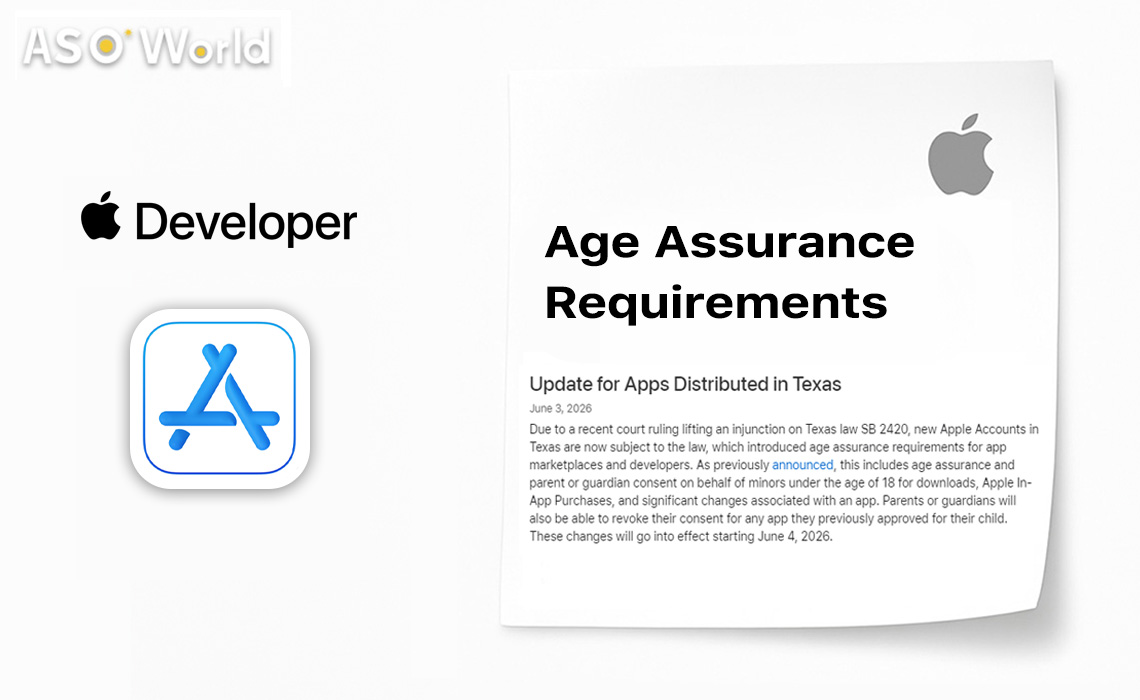
Apple официально активировала проверку возраста в App Store для Apple ID, зарегистрированных в Техасе в ответ на Законопроект Сената Техаса 2420 (SB 2420), который вступает в силу 4 июня 2026 года. Запуск последовал за решением Пятого окружного апелляционного суда приостановить действие федерального судебного запрета, ранее блокировавшего закон, что вынудило Apple включить сигналы возрастных категорий, процессы получения родительского согласия и новый набор API для соответствия требованиям для всех разработчиков, распространяющих приложения среди пользователей в Техасе.
Для разработчиков приложений и команд по росту это больше, чем региональная регуляторная новость — это первое применение на уровне штата в США требований по подтверждению возраста, которое существенно меняет то, как несовершеннолетние находят, загружают и повторно взаимодействуют с приложениями. Ниже приведён практический разбор того, что изменилось, что теперь требует Apple и как сохранить воронку конверсии, стратегию ASO и механики удержания эффективными в новых условиях.
Что на самом деле требует SB 2420
Закон Техаса SB 2420 («Закон об ответственности магазинов приложений») требует от маркетплейсов приложений, работающих в штате, проверять возраст владельцев аккаунтов и получать подтверждённое родительское согласие перед тем, как несовершеннолетний сможет загрузить приложение или совершить встроенную покупку. Apple подтвердила изменения в своём официальном объявлении для разработчиков после того, как федеральный запрет был приостановлен Пятым окружным апелляционным судом, что открыло путь к началу применения закона с 4 июня 2026 года.
На практике жители Техаса, создающие новый Apple ID, теперь должны подтвердить, что им исполнилось 18 лет. Пользователи младше 18 лет должны быть добавлены в группу «Семейный доступ», где родитель или опекун одобряет каждую загрузку приложения, каждую встроенную покупку Apple и любое «существенное изменение» ранее одобренного приложения. Apple публично выступала против законопроекта, ссылаясь на вопросы конфиденциальности, предупреждая, что «SB 2420 вынуждает пользователей делиться персональными данными для загрузки любых приложений, даже простого приложения для проверки погоды или спортивных результатов». Несмотря на это, компания внедрила техническую инфраструктуру, которую разработчики обязаны интегрировать.
Если вы строите глобальную стратегию соответствия требованиям, активацию в Техасе следует рассматривать вместе с глобальным расширением Apple проверки возраста и ограничений для приложений 18+ ранее в 2026 году и предыдущим предварительным обзором требований по подтверждению возраста в Техасе — вместе они указывают на чёткую тенденцию: возрастные сигналы становятся постоянной частью экосистемы App Store.
Четыре API, которые должен знать каждый разработчик
Заметка Apple для разработчиков сосредоточена на четырёх технических компонентах. Каждый из них соответствует отдельному обязательству по соблюдению требований и отдельной потенциальной точке отказа в вашей воронке.
| API / Framework |
Назначение |
Что должны сделать разработчики |
| Declared Age Range API |
Возвращает возрастную категорию (ребёнок, подросток, взрослый) для Apple ID в Техасе. |
Ограничивать доступ к возрасточувствительному контенту, рекламе и функциям на основе полученной категории — без прямого сбора даты рождения. |
| Significant Change API (PermissionKit) |
Уведомляет пользователей, когда обновление приложения вводит «существенное изменение», требующее повторного согласия. |
Определить, что считается существенным в вашем приложении (новый сбор данных, новые уровни контента, новая монетизация), и инициировать соответствующее уведомление. |
StoreKit ageRatingCode |
Предоставляет структурированное свойство возрастного рейтинга вашего приложения. |
Убедиться, что заявленный рейтинг соответствует фактическому контенту и согласован в App Store Connect, маркетинговых материалах и креативах. |
| App Store Server Notifications |
Серверные уведомления при отзыве родительского согласия. |
Обрабатывать события отзыва, корректно отключать права доступа и управлять состоянием подписки без ухудшения пользовательского опыта. |
⚡ Советы экспертов
- Рассматривайте Declared Age Range как ключевой сигнал. Интегрируйте его в логику онбординга до дня запуска — а не в виде пост-инсталляционного исправления. Приложения, адаптирующие UX по возрастной категории, получат меньше отказов и более низкий отток из-за несоответствия ожиданий.
- Определите «существенное изменение» до следующего релиза. Зафиксируйте внутри компании, какие обновления требуют повторного согласия (например, новый SDK с доступом к геолокации, чат, новый уровень монетизации). Неопределённость здесь — самый быстрый путь к штрафу в $10 000.
- Разработайте сценарий на случай отзыва согласия. При получении уведомления об отзыве не удаляйте данные пользователя молча — показывайте понятный экран «родительское согласие отозвано», сохраняйте восстанавливаемое состояние и предлагайте путь повторного согласия. Это защитит LTV при восстановлении согласия.
- Проверьте соответствие StoreKit
ageRatingCode вашим креативам. Если скриншоты, превью-видео или иконка намекают на более взрослый контент, чем заявленный рейтинг, ожидайте задержек при ручной проверке — особенно для метаданных, ориентированных на Техас.
- Протестируйте полный сценарий для несовершеннолетних в sandbox. Используйте sandbox-среду Apple, чтобы смоделировать 13-летнего пользователя в группе «Семейный доступ», запросить приложение, получить согласие, выпустить обновление с «существенным изменением» и затем отозвать согласие. Ошибки, найденные здесь, — это ошибки, с которыми не столкнутся ваши пользователи в Техасе.
Что это означает для ASO и привлечения пользователей
Соответствие требованиям — это базовый уровень; стратегический вопрос заключается в том, что произойдёт с вашей воронкой установок. Уже сейчас стоит учитывать три изменения.
1. Ожидайте снижения конверсии в Техасе для приложений с возрастными ограничениями
Любое приложение с рейтингом 12+ и выше столкнётся с дополнительными барьерами: несовершеннолетним потребуется одобрение родителей до завершения загрузки. Отраслевые показатели после предыдущих внедрений подтверждения возраста (в частности, в Юте, Луизиане и ЕС) показывают, что конверсия в установку может снизиться на 8–20% для приложений с высокой долей несовершеннолетних в первые 60 дней. Если Техас составляет значимую часть ваших установок в США, сегментируйте дашборды до 4 июня, чтобы отделить регуляторный эффект от органической волатильности. В обзоре обновлений App Store и Google Play за май 2026 года рассматриваются сопутствующие изменения алгоритмов, которые также стоит учитывать.
2. Точность возрастного рейтинга теперь влияет на ASO
Несоответствие возрастных рейтингов всегда грозило отклонением, но теперь, когда ageRatingCode доступен через StoreKit и связан с возможностью загрузки, завышенный или заниженный рейтинг напрямую сокращает вашу потенциальную аудиторию. Перепроверьте анкету возрастного рейтинга и приведите её в соответствие с последними рекомендациями Apple и нашим руководством для разработчиков по возрастным рейтингам App Store.
3. «Семейный доступ» становится новой точкой роста
Поскольку несовершеннолетние должны состоять в группе «Семейный доступ» для установки приложений, продукты, которые упрощают родительское одобрение — понятные сообщения «попросить купить», превью для родителей, прозрачные разрешения — будут показывать более высокую конверсию по сравнению с теми, кто игнорирует этот сценарий. Рассмотрите возможность создания отдельного раздела «Для родителей» в промо-тексте и скриншотах страницы приложения, повторяя стратегию, описанную в обновлении региональных возрастных рейтингов в Австралии и Франции.
SB 2420 превращает возрастные сигналы в переменную производительности. Разработчики, которые добьются успеха в Техасе, — это те, кто воспринимает родительское согласие как UX-поверхность для оптимизации — а не как юридическую формальность, которую нужно выполнить в последний момент.
Как Техас вписывается в глобальную волну подтверждения возраста
Техас — не исключение. Это очередной этап в 12-месячной последовательности, включающей обязательства разработчиков в Юте и Луизиане, правила Бразилии по возрастным категориям и лутбоксам, региональные возрастные рейтинги в Австралии и Франции, а также предстоящее приложение для проверки возраста в ЕС. Архитектура становится унифицированной: сигнал возраста от платформы, слой родительского согласия и серверный канал отзыва.
Для приложений, работающих на нескольких рынках, наиболее эффективная стратегия — создать один раз, настраивать под каждую юрисдикцию. Declared Age Range API, PermissionKit и App Store Server Notifications — это те же базовые элементы, которые Apple использует для соответствия требованиям разных регуляторов, поэтому корректная реализация сейчас принесёт выгоду при каждом новом включении правил в другом штате или стране.
Краткий график соответствия требованиям
| Дата |
Этап |
Действия разработчика |
| Сейчас – 3 июня 2026 года |
Период внедрения |
Интегрировать Declared Age Range API, Significant Change API, ageRatingCode и уведомления об отзыве согласия. |
| 4 июня 2026 года |
Начало применения SB 2420 |
Все новые Apple ID в Техасе подпадают под проверку возраста; несовершеннолетние обязаны использовать «Семейный доступ». |
| Первые 30 дней после запуска |
Мониторинг конверсии |
Сегментировать трафик из Техаса; анализировать установку, уровень IAP и события отзыва согласия. |
| Постоянно |
Проверка существенных изменений |
При каждом релизе определять, требует ли обновление повторного согласия в рамках вашей внутренней политики. |
Комментарии редакции
Для маркетологов приложений соблазн будет рассматривать SB 2420 как задачу юридического отдела. Это неверный подход. Возрастные сигналы теперь находятся в том же слое телеметрии, что и атрибуция, удержание и монетизация — и они незаметно изменят бенчмарки для любого продукта с существенной аудиторией младше 18 лет. Команды, которые выиграют в ближайшие 12 месяцев, будут рассматривать соответствие требованиям как дисциплину роста: с инструментированием, A/B‑тестированием и постоянной оптимизацией. Если вы также работаете в Google Play, объедините эту работу с обзором обновления Google Play v51.7 о функциях поиска и ценообразования, чтобы сохранить согласованность кросс‑платформенной стратегии.
Часто задаваемые вопросы
Когда вступает в силу проверка возраста Apple в Техасе?
Закон Техаса SB 2420 вступает в силу 4 июня 2026 года. С этой даты каждый новый Apple ID, созданный в Техасе, должен пройти проверку возраста, а несовершеннолетние младше 18 лет должны быть включены в группу «Семейный доступ» с подтверждённым родительским согласием.
Нужно ли обновлять приложение, если я не ориентируюсь специально на пользователей из Техаса?
Да. В App Store нельзя отказаться от отдельного штата. Если ваше приложение доступно в США и пользователь из Техаса пытается его загрузить, ожидается, что оно будет учитывать Declared Age Range, родительское согласие и сигналы отзыва — независимо от вашей маркетинговой стратегии.
Что считается «существенным изменением», требующим повторного согласия?
Apple намеренно оставляет это на усмотрение разработчика, но типичные примеры включают добавление нового сбора данных, внедрение новой монетизации (подписки, механики лутбоксов, реклама для несовершеннолетних), включение пользовательского общения или разблокировку уровней контента выше первоначального возрастного рейтинга. Зафиксируйте внутреннее определение и применяйте его последовательно.
Что происходит, если родитель отзывает согласие после покупки?
Вы получите уведомление App Store Server Notification об отзыве. Ваш сервер должен корректно отключить права доступа, приостановить или отменить автопродлеваемые подписки в соответствии с рекомендациями Apple и сохранить восстанавливаемое состояние пользователя на случай последующего восстановления согласия.
Как SB 2420 повлияет на конверсию в Техасе?
Ожидайте дополнительное трение, особенно для приложений с рейтингом 12+ и выше. На основе предыдущих внедрений подтверждения возраста в Юте, Луизиане и ЕС вероятно заметное снижение конверсии в установку в первые 30–60 дней. Сегментируйте трафик из Техаса в аналитике и сравнивайте отдельно, чтобы отличить регуляторный эффект от органической эффективности ASO.
Используются ли те же API в других юрисдикциях?
В целом да. Declared Age Range API, Significant Change API из PermissionKit, StoreKit ageRatingCode и App Store Server Notifications формируют переиспользуемый стек проверки возраста Apple. Качественная реализация для Техаса подготовит вас к требованиям Юты, Луизианы, ЕС, Австралии, Франции и Бразилии с минимальными дополнительными усилиями.
Каковы штрафы за несоблюдение требований?
SB 2420 предусматривает гражданские штрафы до 10 000 долларов США за каждое нарушение, а также возможные меры со стороны Генерального прокурора Техаса. В сочетании с репутационными рисками быть признанным несоответствующим требованиям участником маркетплейса стоимость бездействия значительно превышает затраты на инженерную интеграцию.
 COVID-19 UPDATE