COVID-19 UPDATE


Important Notice:Beware of scams using ASOWorld's name for part-time recruitment or ASO earning app activities. ASOWorld is not hiring any part-time staff. Trust only official information posted by ASOWorld.

Scientific breakdown of the 2026 Google Play algorithm. Discover data-driven App Store Optimisation(ASO) strategies to improve application visibility & metadata.


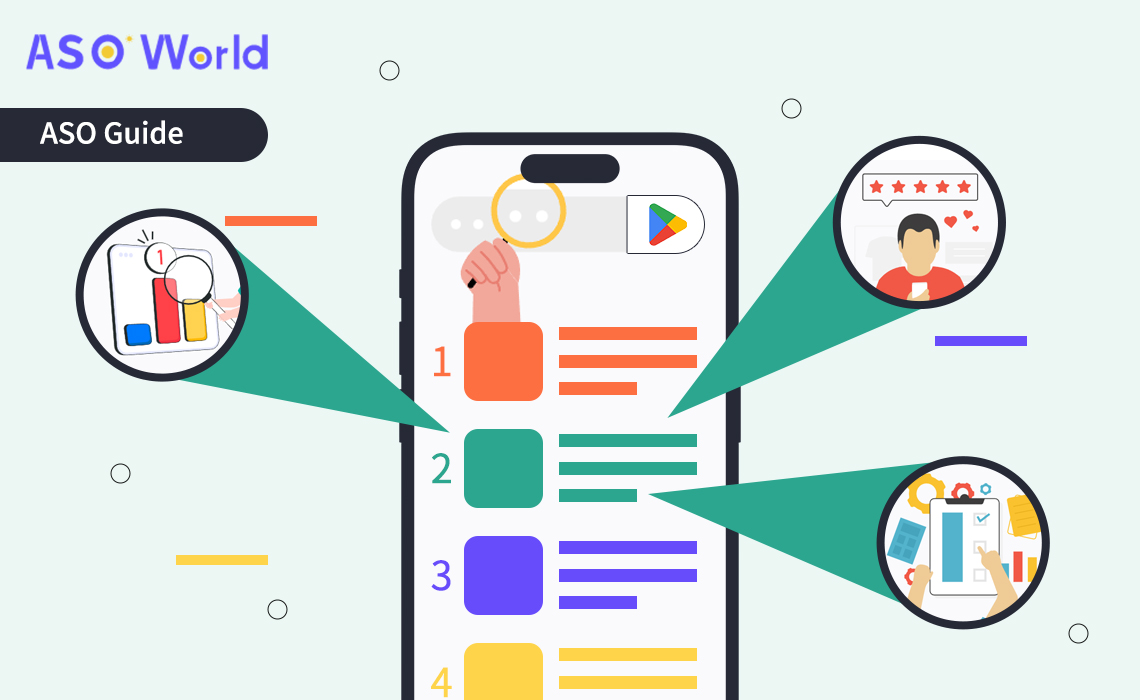
The Google Play Store's algorithm, operating as an evolving neural network in 2026, strictly prioritises user satisfaction metrics and semantic keyword relevance. While the exact weighting remains proprietary, developers can systematically optimise their store presence by aligning with Google's indexing prerequisites.
This technical guide outlines a comprehensive App Store Optimisation (ASO) checklist, detailing verifiable methodologies to secure and sustain application visibility in a highly saturated market.
Your strategic app title optimisation and icon serve as the primary conversion drivers in Google Play search results. Algorithmically, the title carries the highest weight for keyword ranking.
The operational objective of the short description is to maximise conversion rates; concurrently, natural language processing (NLP) algorithms crawl this text to establish secondary keyword associations.
Google’s crawler indexes the entire long description, making it a pivotal area for semantic keyword mapping. Readability and structured formatting are essential.
The "What's New" section acts as a changelog for user retention. It communicates stability, patching, and feature deployment to the existing install base.
Avoid generic phrases such as "bug fixes". Quantify improvements (e.g., "reduced latency by 15%") and detail specific feature additions to signify active lifecycle management.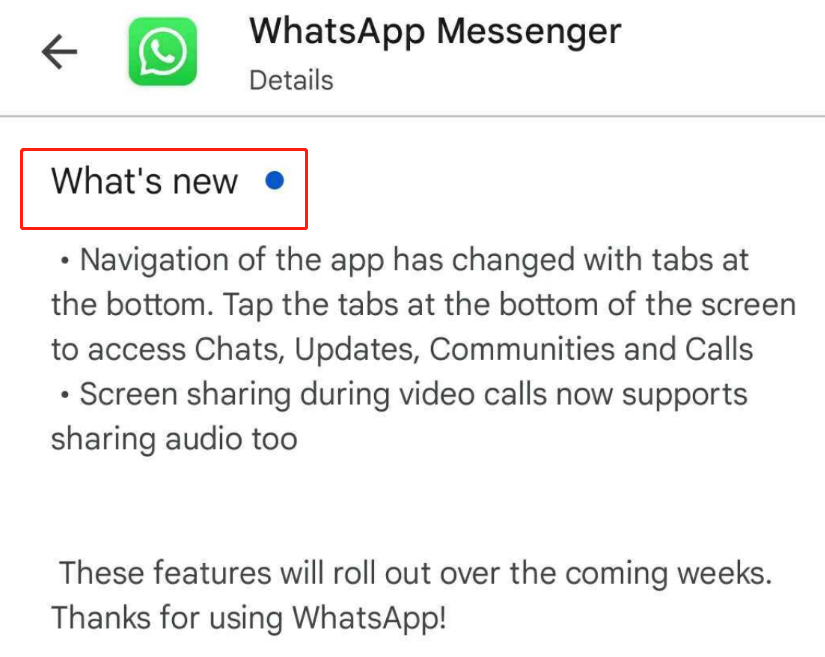
The developer string is an indexed metadata parameter. Standardising this string with secondary niche keywords can yield incremental algorithmic advantages.
💡 Tactical Execution: Google’s developer policy strictly prohibits promotional rhetoric (e.g., "Top Developer", "#1 App"). However, if operating as an independent entity, legally registering a trading name that includes a broad descriptive keyword (e.g., "Fintech Solutions Ltd") complies with guidelines whilst establishing commercial credibility.
Metadata translation is insufficient. Genuine localisation on Google Play requires adapting typography, colour psychology, and cultural syntax to distinct regional frameworks (e.g., distinguishing between UK and US English idioms).
Leverage the 77 available locales. Execution entails mapping local search volume (LSV) for bespoke keywords per territory, rather than deploying mere direct translations of your primary language's keywords.
Deploy Custom Store Listings (CSL) to dynamically alter metadata and creatives based on user attributes (e.g., geographic location, pre-registration status, or targeted ad campaigns). This precision targeting mathematically increases user acquisition ROI.
The optimised app icon design functions as the primary visual stimulus affecting the Click-Through Rate (CTR) from impressions to the page.
Screenshots act as visual evidence of the in-app UX/UI. Optimised formats decrease the bounce rate on the app listing.
Execution parameters:
👉 Analyse high-converting app icon and screenshot design trends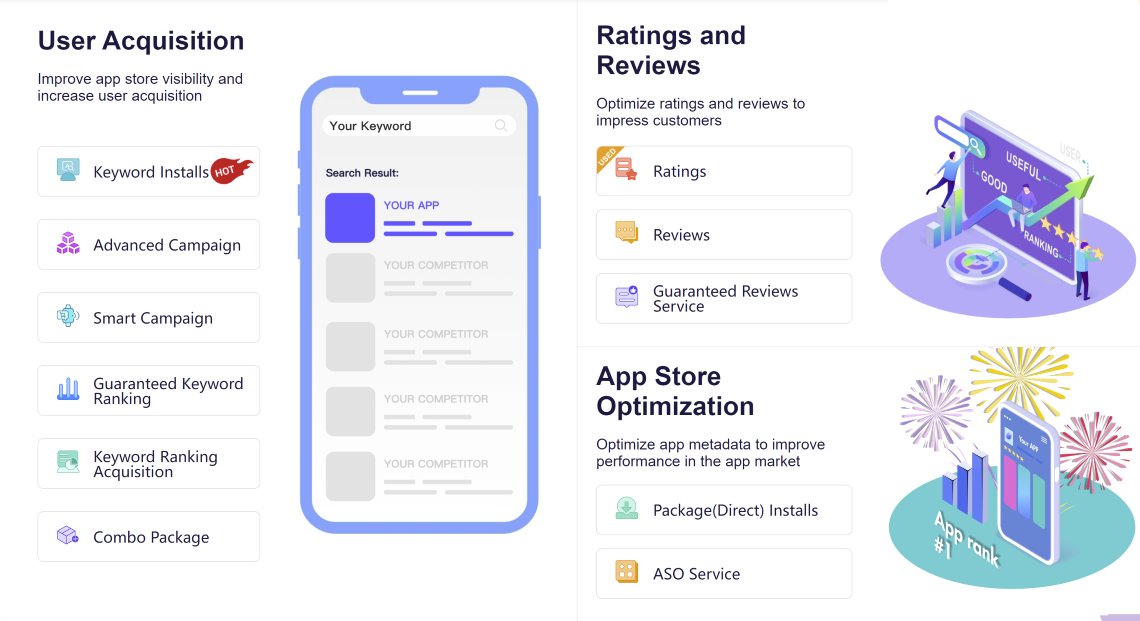
* Access deterministic growth frameworks - integrate a Guaranteed Keyword Ranking Solutions to secure TOP 5 indexed positions, securing baseline organic traffic. Alternatively, select "Promote Now" above (for regulated increase targeted app installs protocols targeting algorithmic visibility thresholds).
Video assets autonomously autoplay in the Play Store. Content must immediately validate user intent and visually demonstrate software capability.
Standardised specifications include:
Category taxonomy dictates cluster indexing (similar apps). Misclassification degrades conversion models. Ensure category selection is determined by competitor density and direct application utility.
👉 Determine the most effective app category for Android
User ratings and review management act as heavy ranking factors. Google Play prioritises apps exhibiting high interaction frequencies and positive sentiment.
👉 Framework for converting negative reviews into retention opportunities
Click "Explore Growth Solutions" to scale operations with data-backed App Store Optimisation (ASO) and managed app promotion strategies.
Tags recalibrate the peer-group comparison index. They directly influence the "Similar Apps" placement and algorithmically determine competitor proximity.
The Promotional Content (LiveOps) mechanic enables developers to update organic listings without pushing an APK update. This correlates directly with 30-day retention multipliers.
Attaining editorial placements mandates strict adherence to Android's qualitative baseline, shifting organic acquisition from Search to Explore channels.
Google’s PageRank logic extends partially to Play Store URLs. High-authority domains routing to your application listing validate external popularity.
Assumption-based marketing is unscientific. Deploy A/B/B testing natively through Google Play Console.
By 2026, Android Vitals operate as a hard gatekeeper for algorithm indexing. Sub-standard mechanical performance results in definitive keyword suppression, irrespective of metadata optimisation.
Surpassing the 2026 Google Play ranking algorithm necessitates a rigorous, data-driven methodology. By systematically treating ASO as quantifiable engineering—from NLP-compliant metadata formulations to stringent Android Vitals adherence—developers establish long-term index stability. Success relies on executing verifiable implementations, monitoring statistical distributions, and strictly aligning with search intent protocols.
 Mobile App Growth,App Store Optimisation,Google Play Store Ranking Algorithm,
Get FREE Optimization Consultation
Let's Grow Your App & Get Massive Traffic!
All content, layout and frame code of all ASOWorld blog sections belong to the original content and technical team, all reproduction and references need to indicate the source and link in the obvious position, otherwise legal responsibility will be pursued.