Ключевые выводы
- Анализ ключевых слов конкурентов выходит далеко за рамки копирования метаданных соперников — он выявляет пробелы в вашей собственной стратегии, которые невозможно обнаружить только на основе внутренних данных.
- Изучение скриншотов и креативов страницы приложения конкурентов помогает определить, какие ценностные предложения лучше всего откликаются у вашей общей аудитории.
- Анализ отзывов пользователей конкурентов выявляет повторяющиеся болевые точки, которые становятся вашим позиционирующим преимуществом при их отражении как в продукте, так и в метаданных.
- Объединение анализа разрыва по ключевым словам, бенчмаркинга креативов и анализа отзывов в единый процесс конкурентной аналитики дает накапливающийся эффект в ASO.
- Инструменты, такие как функции анализа ключевых слов конкурентов и инструменты отслеживания позиций ключевых слов от ASOWorld, делают этот процесс системным, а не основанным на догадках.
Большинство разработчиков начинают свой путь в ASO с оптимизации собственных метаданных — дорабатывают заголовки, тестируют подзаголовки и корректируют поля ключевых слов на основе внутренних данных о производительности. Такой подход работает до определенного момента. Но он оставляет критическую слепую зону: вы видите только те ключевые слова, креативы и сообщения, которые протестировали вы. У вас нет понимания стратегий, которые приводят к установкам у приложений, напрямую конкурирующих за внимание ваших пользователей.
Именно здесь анализ ключевых слов конкурентов становится необходимым. Речь идет не о копировании действий соперников. Речь идет о понимании полного ландшафта поискового спроса в вашей категории, выявлении направлений, в которые конкуренты инвестировали и добились успеха, и поиске пробелов, где вы можете победить. При правильном подходе конкурентный анализ ключевых слов становится основой для каждого обновления метаданных, редизайна скриншотов и решения о приоритизации функций, которые принимает ваша команда.
Почему анализ охвата ключевых слов конкурентов важнее, чем вы думаете?
App Store и Google Play — это экосистемы, управляемые поиском. Более 65% установок приложений происходят из поиска в магазине, что означает: видимость по ключевым словам определяет, будет ли ваше приложение обнаружено или останется незамеченным. Когда вы анализируете только собственную производительность по ключевым словам, вы работаете в пузыре — оптимизируете известные вам запросы, в то время как конкуренты могут получать трафик по сотням ключевых слов, о которых вы даже не задумывались.
Анализ охвата ключевых слов конкурентов решает эту проблему, отображая полный «след» ключевых слов ваших основных соперников. Цель — ответить на конкретные вопросы: по каким ключевым словам конкуренты входят в топ‑10? Какие из этих ключевых слов полностью отсутствуют в ваших метаданных? По каким одинаковым запросам конкуренты ранжируются выше вас — и почему?
Этот анализ — не разовое упражнение. Алгоритмы магазинов приложений постоянно переоценивают релевантность ключевых слов на основе скорости загрузок, показателей удержания и актуальности метаданных. Конкурент, который три месяца назад не ранжировался по определенному запросу, сегодня может доминировать благодаря обновлению метаданных или успешной кампании по продвижению ключевых слов. Регулярные конкурентные аудиты — в идеале ежемесячные — позволяют вовремя заметить эти изменения и отреагировать.
Методология проста, но требует дисциплины. Начните с определения своих реальных конкурентов по ключевым словам: это приложения, которые появляются в поисковой выдаче по вашим основным запросам, а не обязательно те, кого вы считаете бизнес‑конкурентами. Приложение из другой подкатегории может конкурировать с вами за те же поисковые запросы. Сформировав список из пяти–восьми таких конкурентов, соберите полный набор их ключевых слов и сравните со своим. Ключевые слова, по которым конкуренты ранжируются, а вы нет, образуют ваш «разрыв» — и его закрытие часто является самым быстрым способом увеличить органические установки.
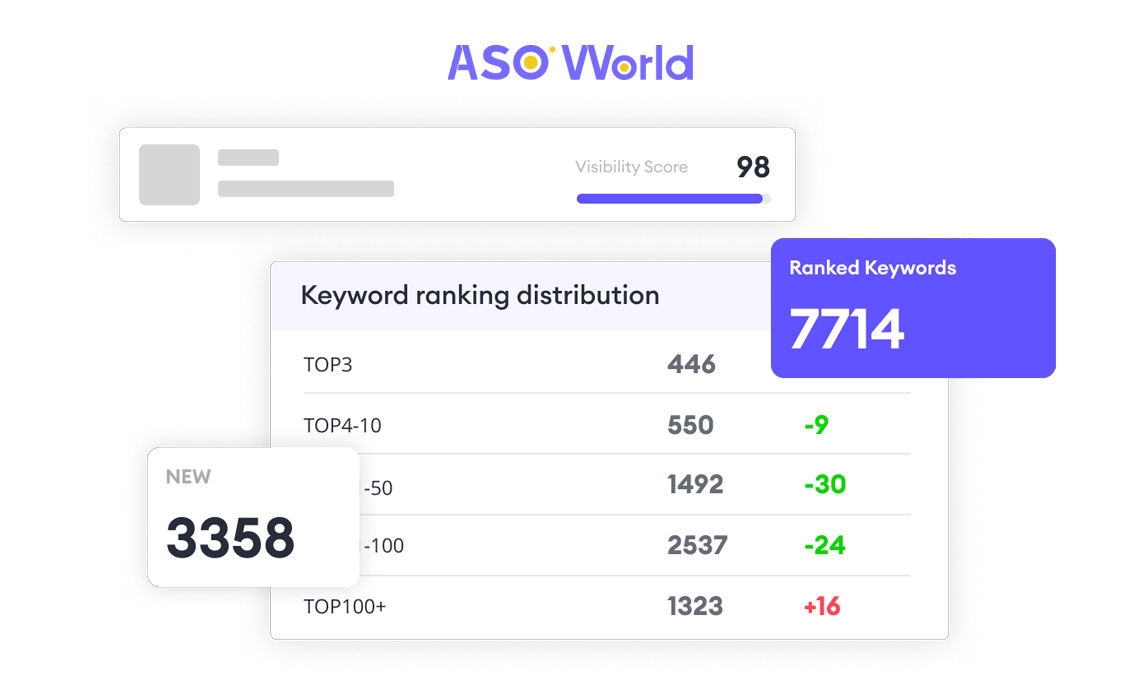
Инструменты отслеживания позиций ключевых слов от ASOWorld созданы специально для такого процесса. Они позволяют отслеживать позиции конкурентов по странам и магазинам, выявлять уникальные ключевые слова, по которым ранжируются только отдельные конкуренты, и наблюдать за изменениями позиций со временем. Вместо догадок о том, какие ключевые слова важны, вы точно видите, куда уходит трафик — и можете корректировать стратегию соответствующим образом.
⚡ Советы эксперта
- Не ограничивайтесь прямыми бизнес‑конкурентами. Введите свои топ‑20 ключевых слов в магазине и отметьте приложения, которые регулярно появляются в выдаче — это и есть ваши конкуренты по ключевым словам, независимо от категории.
- Приоритизируйте «эксклюзивные» ключевые слова конкурентов — запросы, по которым соперник входит в топ‑5, а вы вовсе не ранжируетесь. Это неудовлетворенный спрос, для которого ваши метаданные сейчас невидимы.
- После выявления разрывов проверьте объем поиска и уровень сложности, прежде чем добавлять ключевые слова в метаданные. Ключевое слово без поискового объема — не тот разрыв, который стоит закрывать.
Что могут рассказать скриншоты и креативы страницы конкурентов о выигрышном позиционировании?
Ключевые слова помогают найти приложение. Скриншоты помогают установить его. Тем не менее, большинство процессов конкурентного анализа останавливаются на метаданных и не изучают креативные материалы, которые конкуренты используют для конверсии показов в загрузки. Это упущенная возможность, потому что скриншоты конкурентов — прямое окно в то, как они позиционируют продукт для той же аудитории, которую вы хотите привлечь.
Как отзывы пользователей конкурентов помогают выявить недостающие ключевые слова и позиционирование?
Отзывы пользователей — один из самых недооцененных источников данных в конкурентном ASO. Хотя большинство команд отслеживают собственные отзывы для выявления ошибок и запросов на функции, немногие системно анализируют отзывы конкурентов ради стратегических инсайтов. Это серьезное упущение, поскольку отзывы конкурентов содержат три типа информации, напрямую улучшающих вашу стратегию ключевых слов, креативные сообщения и продуктовую дорожную карту.
Первая категория — поиск ключевых слов на естественном языке. Когда пользователи описывают, что им нравится или не нравится в приложении конкурента, они используют ту же лексику, которую другие пользователи вводят в строку поиска. В отзывах о фитнес‑приложении могут часто встречаться «тренировки дома», «без оборудования» или «быстрая тренировка» — это не просто обратная связь, а высоко‑интентные поисковые запросы, которые должны быть в ваших метаданных, если ваше приложение закрывает ту же потребность. Такой органический сбор ключевых слов часто выявляет длиннохвостые фразы, которые ни один инструмент исследования ключевых слов не предложит, потому что они возникают из реального языка пользователей, а не из алгоритмических оценок объема.
Вторая категория — выявление болевых точек. Негативные отзывы концентрируются вокруг конкретных проблем: сбои после обновлений, запутанная навигация, агрессивная монетизация, отсутствие функций. Сопоставляя эти болевые точки у нескольких конкурентов, вы формируете приоритетный список проблем, которые рынок хочет решить. Если три конкурирующих приложения получают жалобы на обязательную подписку, а у вас есть щедрый бесплатный тариф, этот инсайт должен быть вынесен в заголовки скриншотов и описание — а не скрыт в списке функций.
Третья категория — подтверждение ценности функций. Положительные отзывы, где неоднократно упоминаются конкретные функции — «обожаю тёмную тему», «виджет очень полезен», «экспорт в PDF меня выручил» — являются пользовательским доказательством того, что рынок действительно ценит. Эти подтвержденные функции должны влиять как на приоритеты разработки продукта, так и на выбор ключевых слов. Если пользователи стабильно хвалят функцию, которая есть и у вас (но вы её не выделяете), вы теряете потенциал конверсии.
Материал ASOWorld о анализе отзывов приложений для получения конкурентных инсайтов описывает структурированный четырехшаговый процесс превращения данных из отзывов в конкретные действия — от выбора нужных конкурентов до трансформации выявленных паттернов в изменения метаданных и тайминга кампаний.
⚡ Советы эксперта
- Сосредоточьтесь на отзывах конкурентов за последние 6 месяцев. Более старые отзывы часто отражают предыдущие версии приложения и устаревшие настроения пользователей.
- Обращайте особое внимание на отзывы, где упоминается смена приложения — «Я перешёл с [Конкурента], потому что...» — они раскрывают точные триггеры, делающие пользователей открытыми к альтернативам.
- Выделяйте конкретные прилагательные и фразы, которые пользователи повторяют в отзывах. Используйте именно эти слова в метаданных и тексте скриншотов — они естественнее соответствуют поисковому намерению, чем маркетинговые формулировки.
Как объединить эти три направления в единый процесс конкурентной аналитики?
Анализ разрыва по ключевым словам, бенчмаркинг креативов и анализ отзывов наиболее эффективны при интеграции в единый цикл конкурентной аналитики, а не как разрозненные активности. Инсайты из каждого направления усиливают и подтверждают друг друга. Ключевое слово, найденное через анализ разрыва, становится более ценным, если отзывы конкурентов подтверждают, что пользователи действительно ищут эту функцию. Позиционирование, выявленное в скриншотах конкурентов, становится убедительнее, когда негативные отзывы показывают, что конкуренты не выполняют данное обещание.
Практический процесс строится на ежемесячном цикле. В первую неделю обновите данные по позициям ключевых слов конкурентов и выявите новые разрывы или изменения. Во вторую неделю проведите аудит страниц приложений конкурентов на предмет изменений креативов — новые скриншоты, обновленные описания, измененные иконки. В третью неделю проанализируйте свежие отзывы конкурентов, отфильтровав изменения в тональности и повторяющиеся темы. В четвертую неделю объедините три потока данных в конкретные обновления метаданных, брифы на креатив или запросы на разработку функций.
Анализ конкурентов — это не разовый проект — это постоянный цикл аналитики. Команды, которые включают его в ежемесячный рабочий процесс, стабильно превосходят тех, кто рассматривает его как эпизодическую задачу.
Часто задаваемые вопросы
Q: Сколько конкурентов следует отслеживать для анализа ключевых слов?
Практический диапазон — от пяти до восьми конкурентов по ключевым словам. Меньше пяти дает неполную картину ландшафта ключевых слов в категории. Более восьми создаёт шум и усложняет выявление значимых закономерностей. Помните, что конкуренты по ключевым словам определяются пересечением в поиске, а не бизнес‑схожестью — любое приложение, регулярно появляющееся в выдаче по вашим основным запросам, подходит.
Q: Как часто нужно обновлять анализ ключевых слов конкурентов?
Для большинства приложений рекомендуется ежемесячный цикл. Алгоритмы магазинов часто пересматривают релевантность ключевых слов, а конкуренты обновляют метаданные на основе данных о производительности. Квартальный аудит — абсолютный минимум; более редкая проверка означает, что вы, вероятно, реагируете на действия конкурентов спустя месяцы.
Q: Может ли анализ отзывов конкурентов реально улучшить мои позиции по ключевым словам?
Да, через два механизма. Во‑первых, анализ отзывов выявляет ключевые слова на естественном языке, которые пользователи действительно ищут, и которые вы можете добавить в метаданные. Во‑вторых, выявление болевых точек конкурентов позволяет позиционировать ваше приложение как решение — как в метаданных, так и в скриншотах — что повышает CTR и конверсию. Более высокая конверсия посылает положительные сигналы алгоритму магазина, что в итоге улучшает ваши позиции по ключевым словам.
Q: Как расставить приоритеты при закрытии разрывов по ключевым словам конкурентов?
Оцените ключевые слова по трем критериям: объем поиска (стоит ли за него бороться?), уровень сложности (реально ли занять по нему позицию?) и релевантность основному сценарию использования вашего приложения (будут ли пользователи, пришедшие по этому запросу, конвертироваться?). Начните с ключевых слов с высоким объемом и средней сложностью, тесно связанных с функциональностью вашего приложения. Избегайте погони за высокосложными запросами на раннем этапе — стратегический выбор ключевых слов важнее, чем ориентация на самые частотные запросы.
 COVID-19 UPDATE