COVID-19 UPDATE


重要なお知らせ:ASOWorld の名前を騙ってパートタイムの採用や ASO 収入アプリ活動を行う詐欺にご注意ください。ASOWorld はパートタイムのスタッフを募集していません。ASOWorld が投稿した公式情報のみを信頼してください。

Google Playがデベロッパー手数料を10%に引き下げました。新しい料率の詳細、世界展開の日程、そしてアプリマーケターが知っておくべきポイントを完全解説。


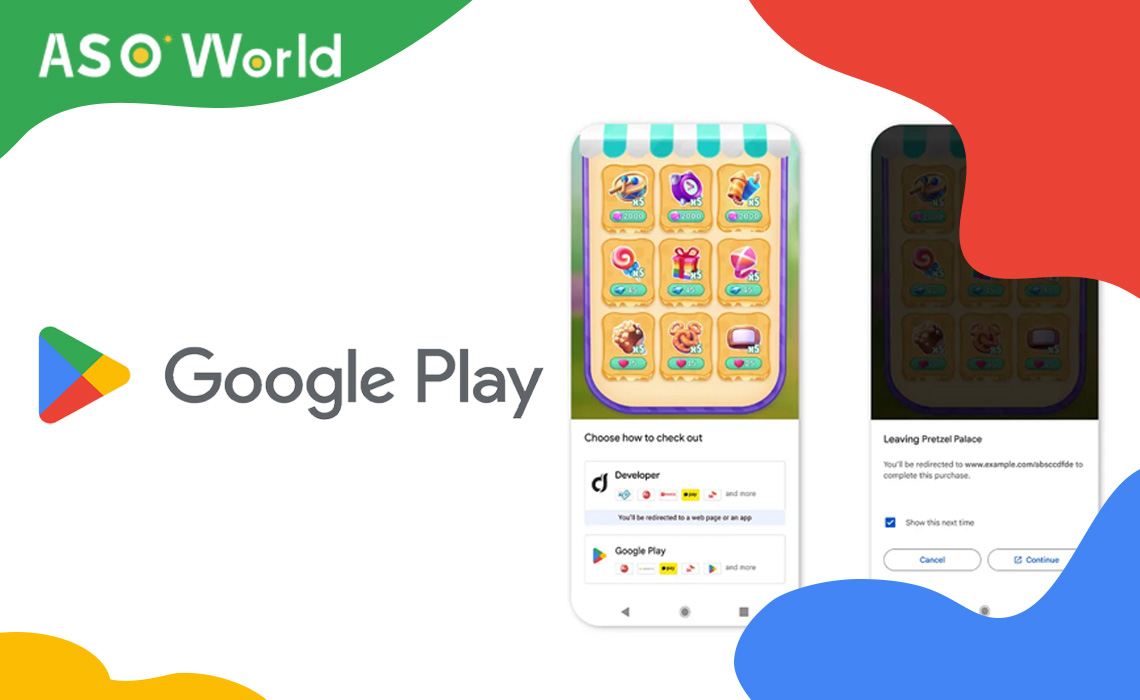
Googleは、過去10年以上で最も重要なPlayストアのビジネスモデル改革の展開を正式に開始しました。2026年6月30日より、米国、欧州経済領域(EEA)、および英国のデベロッパーは、年間収益の最初の100万ドルおよびすべての自動更新サブスクリプションに対するサービス手数料が10%まで引き下げられます。Google Play エンジニアリング、プロダクト、UX担当バイスプレジデントのPaul Feng氏によって発表されたこれらの変更は、長年にわたる独占禁止法訴訟と世界各国の規制当局からの圧力の高まりの集大成を示すものです。
また今回の措置により請求方法の選択肢が拡大され、デベロッパーは代替決済システムや外部ウェブサイトを通じて取引を処理できるようになります。多くの場合、Google Playのネイティブシステムに適用される追加の5%の請求手数料は発生しません。
今回初めて、Googleはサービス手数料と請求手数料を分離します。これにより、Google Play Billingを利用する場合、デベロッパーは2種類の手数料を支払うことになりますが、代替手段を利用する場合は1種類のみとなります。
| 取引タイプ | サービス手数料 | 請求手数料(Play Billing) | 合計(Play Billing) |
|---|---|---|---|
| 年間収益の最初の100万ドル | 10% | + 5% | 15% |
| 自動更新サブスクリプション | 10% | + 5% | 15% |
| 新規インストール(その他の取引) | 20% | + 5% | 25% |
| 既存インストール(その他の取引) | 30% | + 5% | 35% |
| 代替請求または外部リンク | 上記と同じ | $0 | 請求手数料なし |
重要な違いは、新規インストールと既存インストールの区別です。「新規インストール」とは、新しい手数料体系の地域開始日以降に初回インストールまたは初回アップデートが行われたユーザーを指します。それ以前にインストールした既存ユーザーは、アップデートを行うまで従来の価格体系が適用されます。これはデベロッパーにとって新規獲得キャンペーンを強化する強い動機となります。
Googleは技術インフラや各国規制への対応のため、段階的に展開を行います。確認済みのスケジュールは以下のとおりです。
| 日付 | 対象市場 | 開始内容 |
|---|---|---|
| 2026年6月30日 | 米国、EEA、英国 | 新手数料体系+請求方法選択プログラム |
| 2026年9月30日 | オーストラリア、欧州、英国、米国 | Games Level UpおよびApps Experienceプログラム |
| 2026年12月31日 | 日本、韓国 | 新手数料体系+請求方法選択 |
| 2027年9月30日 | その他すべての地域 | 全世界で完全適用 |
アジア太平洋地域で展開するアプリマーケターにとって、日本と韓国――世界でも特に支出額の高いモバイル市場――では年末まで新料金が適用されないことを意味します。キャンペーン計画ではこの遅れを考慮する必要があります。
手数料の引き下げ=ユーザーあたりLTVの向上。 収益モデルに応じて実効コミッションが30%から10~15%まで低下することで、ユニットエコノミクスは即座に改善します。特にサブスクリプション型アプリでは、自動更新に対する10%のサービス手数料は非常に大きく、再投資可能なマージンが実質的に20ポイント増えることになります。
新規インストール優遇はシェア獲得の好機。 既存ユーザーはアップデートまで旧料金が適用されるため、新体系が適用された市場で新規インストールを促進することが戦略的優先事項となります。2026年第3四半期には、米国、EEA、英国でUA予算を前倒しすることを検討してください。
代替請求により顧客との直接的な関係構築が可能に。 自社システムやサードパーティプロバイダーを通じて決済を処理することで、顧客データを保持し、プラットフォーム依存を減らし、5%の請求追加料金を回避できます。その代わり、コンプライアンス、税務、チャージバック対応を自社で処理する必要がありますが、高ボリュームのアプリではその節約効果が運用負担を上回る場合が多いです。
関連:この移行期間中に可視性を最大化したいですか?ユーザーが代替案を検索する際にアプリが上位表示されるよう、ASOWorldのアプリストア最適化ソリューションをご確認ください。
これらの変更は自発的なものではありません。複数の面で継続してきた法的圧力の直接的な結果です。
2023年12月、Epic Games v. Googleの陪審は、GoogleがAndroidのアプリ配信およびアプリ内決済処理の両方を違法に独占していたと認定しました。この評決は、同様の独占禁止法違反をめぐり米国50州のほぼすべてと締結した7億ドルの和解に続くものでした。2026年3月、Googleはサンフランシスコの連邦裁判所に是正案を提出し、EpicのCEOであるTim Sweeney氏はその結果を「オープンプラットフォーム」の勝利と呼びました。
米国連邦地方裁判所のJames Donato判事は、サードパーティ製アプリストアの登録プロセスを承認する必要があり、これが和解の次の段階となります。その条件の下で、Googleは競合アプリストアを認証し、Playストアにより近い形で運営できるようにしなければなりません。これは単なる手数料引き下げ以上に大きな変革です。
基本的な手数料引き下げに加え、GoogleはAndroidエコシステムに深く投資するデベロッパーを評価する2つの新しいパートナーシップ階層を導入します。
刷新されたGames Level Upプログラムおよび新設のApps Experienceプログラムでは、特定の品質基準を満たし、推奨されるGoogle Play機能を実装し、優れたユーザー体験を提供するアプリやゲームに対して、追加の料金引き下げが提供されます。詳細なガイドラインはすでにGoogleのプログラムサイトで公開されており、優遇レートは2026年9月30日に開始されます。
すでにGoogleのエコシステムプログラムに参加しているデベロッパーにとって、これはさらなるマージン改善への明確な道筋を示すものです。新規参加者にとっては、Googleが最高水準のAndroid体験とみなす基準を提示するものとなります。
ASOWorld初回購入割引
初回注文で50%オフを獲得して、アプリの成長を始めましょう!
Googleが自社の囲い込み戦略の一部を解体する一方で、AppleのApp Storeは米国において同様の改革の影響をほとんど受けていません。iPhoneメーカーはデジタル市場法により欧州では譲歩を行いましたが、米国内では依然として15~30%の標準コミッション構造が維持されています。
この差異は、まれな競争上の非対称性を生み出します。主要な西側市場において、AndroidがiOSよりもデジタルコマースで明確に有利な経済条件を提供するのは今回が初めてです。特に利益率が低い、またはサブスクリプション依存度が高いデベロッパーにとって、プラットフォーム優先順位の判断はGoogle Playへと傾く可能性があります。
Sweeney氏はAP通信のインタビューでこの対比に言及し、AppleがGoogleに追随することに懐疑的な見方を示しました。「歌にもあるように、『望むものがいつも手に入るとは限らないが、努力すれば必要なものは手に入ることが多い』」とSweeney氏は述べました。「そして私たちに必要なのは競争です。」
直接的な影響は明確です。6月30日以降、デベロッパーは取引ごとにより多くの収益を得られます。しかし本当の物語は、その二次的影響にあります。
プラットフォーム税の引き下げにより、インディー開発スタジオや中規模パブリッシャーは、よりリスクの高い挑戦――実験的ジャンル、より長い開発期間、より高い制作価値――に踏み出す余地が生まれます。フィットネスアプリから語学学習プラットフォームまで、サブスクリプションビジネスは価格引き下げや広告費増額の余地を得ます。さらに代替請求オプションにより、高度な運営者は、これまで閉鎖的なアプリストアエコシステム内では不可能だったエンドツーエンドの顧客関係を構築できます。
次の節目は9月30日で、オーストラリアが新手数料体系に加わり、Games Level UpおよびApps Experienceプログラムの登録が開始されます。その後12月31日には日本と韓国が加わります――一人当たりモバイル支出が多くの西側諸国を上回る市場です。
2027年9月30日までに、世界中のすべての地域が同一のルールの下で運用される予定です。このスケジュールが維持されるかどうかは、規制上の摩擦、技術的準備状況、そして今後Googleが追加の法的課題に直面するかどうかに左右されます。しかし現時点で方向性は明らかです。疑問の余地なく30%のアプリストア税が課される時代は終わりを迎えつつあり、最も迅速に適応するアプリマーケターが最大の成果を手にするでしょう。
Get FREE Optimization Consultation
Let's Grow Your App & Get Massive Traffic!
All content, layout and frame code of all ASOWorld blog sections belong to the original content and technical team, all reproduction and references need to indicate the source and link in the obvious position, otherwise legal responsibility will be pursued.