The deployment of Android 15 introduces critical architectural updates and API frameworks for application developers. This iteration is stringently focused on hardware integration, stringent privacy compliance, and enhanced support for diverse device form factors.
From low-level camera module access to structural modifications in background processing, engineering teams must systematically adapt their codebases to maintain performance benchmarks and ensure compliance with updated Google Play policies.
Structural Overview:
Camera Extensions & Media Processing
Android 15 deploys new extension frameworks granting developers specific programmatic control over camera hardware and processing algorithms.
Execution Strategy: Development teams should audit bespoke camera modules to integrate these native extensions directly, thereby minimising reliance on third-party SDKs and reducing image processing latency within the app.
Engineers can now regulate HDR content rendering parameters systematically via the HDR headroom controls, and rectify audio output inconsistencies using the LoudnessCodecController API constraints.
Execution Strategy: Media-focussed applications must adopt these APIs to align with UK and international broadcasting standards (e.g., EBU R128) to prevent audio peaking that negatively impacts user retention metrics.

(Source: Android Developers)
Routing and Virtual MIDI Architecture
Support for Virtual MIDI 2.0 architectures has been deepened. Consequently, subsequent requests for direct audio playback will systematically invalidate pre-existing direct AudioTrack objects to prevent resource collision.
>>> Algorithmic Analysis of Google Play Store 2024: ASO Execution Frameworks

System Connectivity & Core Services
Satellite Telemetry and NFC Execution
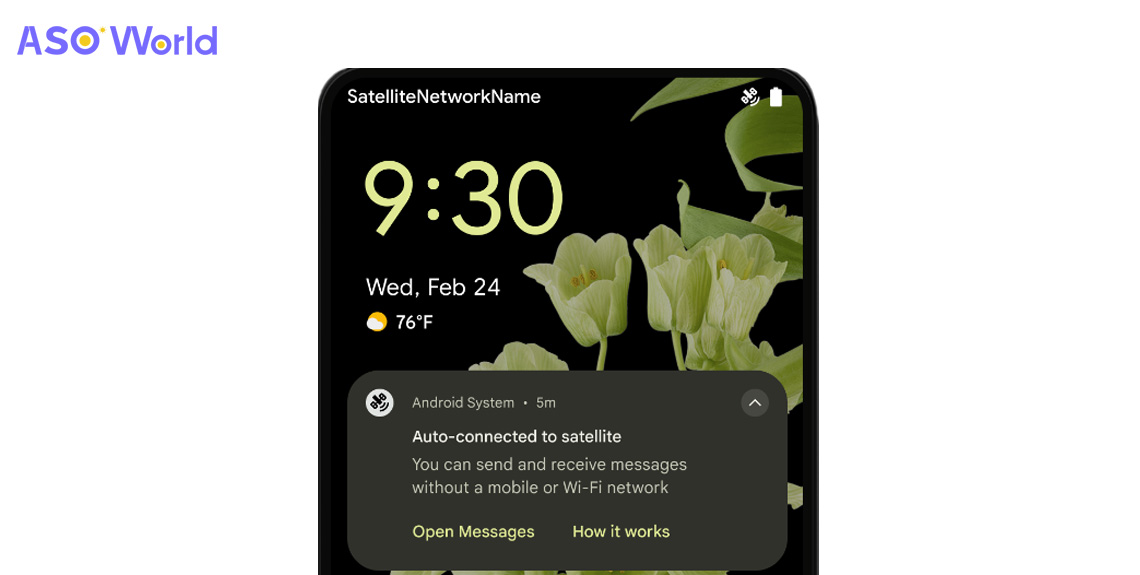
The operating system augments satellite connectivity protocols. Concurrently, it refines NFC background polling loops to facilitate more reliable tap-to-pay executions and introduces a distinct Wallet role profile.
Execution Strategy: Fintech and transit utility apps operating in the UK must update their NFC modules to adopt the new Wallet role strictly, ensuring compliance with secure element polling and friction-free contactless authorisation.
(Source: Android Developers)
Process Lifecycles and Foreground Service Strictness
System modifications to the "package stopped" lifecycle state enforce stricter constraints on background application behaviour. Furthermore, discrete foreground service configurations are now required for specific workloads, such as media file transcoding.
Execution Strategy: Apps must compartmentalise background processes. Failure to declare the explicit foreground media service type will result in systematic application termination (crashes) by the OS.
Workflow Optimisation & Foldable Displays
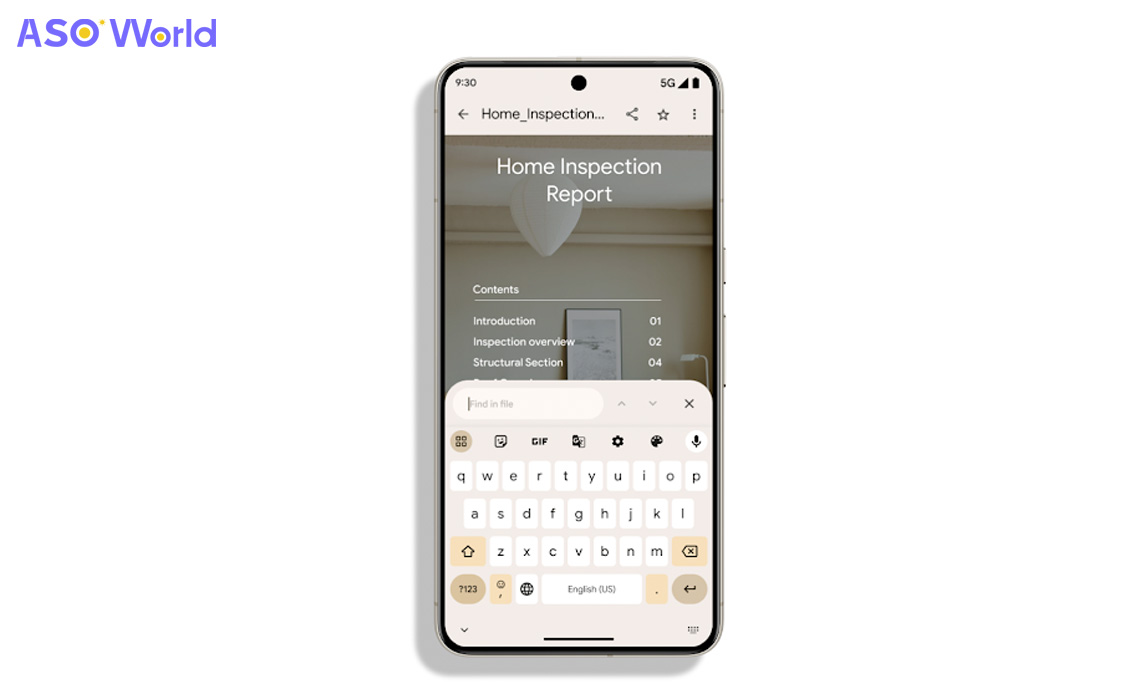
Android 15 upgrades the internal PdfRenderer APIs significantly and delivers programmatic overrides for automated linguistic switching algorithms.
Execution Strategy: Enterprise software should deprecate heavy third-party PDF viewers in favour of the native module to decrease APK sizes. Localisation teams should utilise the language routing logic to enhance application accessibility for multilingual demographics.
(Source: Android Developers)
To support the varying hardware of foldable devices, structural support for exterior cover screens has been established at the OS level.
Execution Strategy: UI/UX programming units must adopt responsive Android view models to guarantee interface continuity when a user transitions from a cover screen to the primary display. Neglecting this will negatively impact user engagement metrics.
Telemetry Performance & Privacy Compliance
The ApplicationStartInfo API exposes granular diagnostic data concerning application initialisation phases. Concurrently, native SQLite pipelines contain structural updates addressing query latency.
Execution Strategy: DevSecOps and performance teams must integrate the StartInfo telemetry pipeline to isolate and eliminate "cold start" latency bottlenecks. This metric directly influences Google Play Core Vitals and subsequent algorithm rankings.
Software can now systematically detect active screen recording instances. Concurrently, the Privacy Sandbox architecture enforces isolated partitions for user data, restricting cross-app covert tracking vectors.
Execution Strategy: Streaming and banking clients must implement the detection API to mask secure (DRM) content actively. Marketing teams must unconditionally adopt the Privacy Sandbox framework to maintain accurate data attribution for User Acquisition (UA) campaigns without violating data protection regulations.
Cryptography Security & Typography UX
Storage Verity Protocols and Textual Layout Rendering
Cryptographic standards are enforced utilising the Linux fs-verity mechanism. Additionally, the elegantTextHeight parameter is algorithmically defaulted to `true` for all structures targeting the Android 15 SDK, preventing vertical clipping of complex linguistic scripts.
Execution Strategy: QA testing protocols must include visual regression tests across all textual viewports, as the new typographic defaults may alter previously defined UI boundaries, causing element displacement.
EVALUATE APPLICATION MARKET METRICS AND TECHNICAL COMPLIANCE
ACCESS ASOWORLD'S ALGORITHMIC APP DIAGNOSIS FRAMEWORK FOR DATA-DRIVEN ANALYSIS.
 COVID-19 UPDATE