The launch of AltStore PAL in Japan, combined with the enforcement of the Mobile Software Competition Act on December 18, 2025, marks the most significant change to iOS game distribution and marketing in the country in over a decade.
For the first time, mobile game publishers can legally distribute iOS games through third-party app marketplaces and direct users to external payment channels, fundamentally altering acquisition, monetization, and discovery strategies.
What Changed: iOS Opens to Third-Party Marketplaces
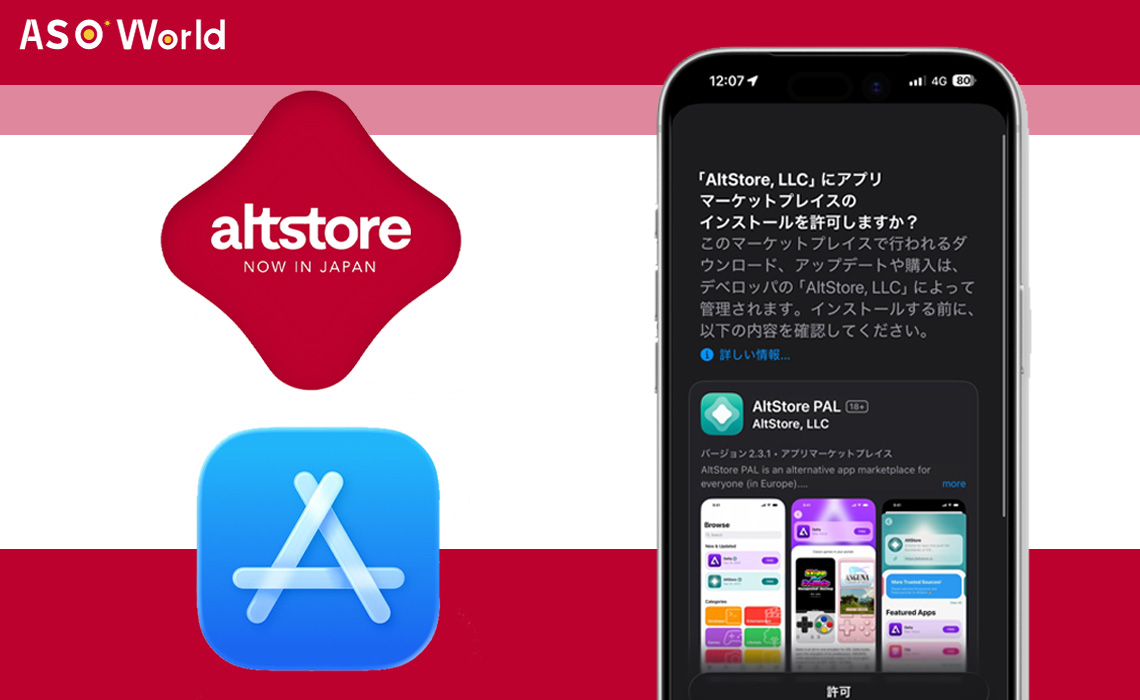
Under the new regulatory framework, Apple now allows authorized third-party app marketplaces on iOS in Japan, alongside alternative payment flows.
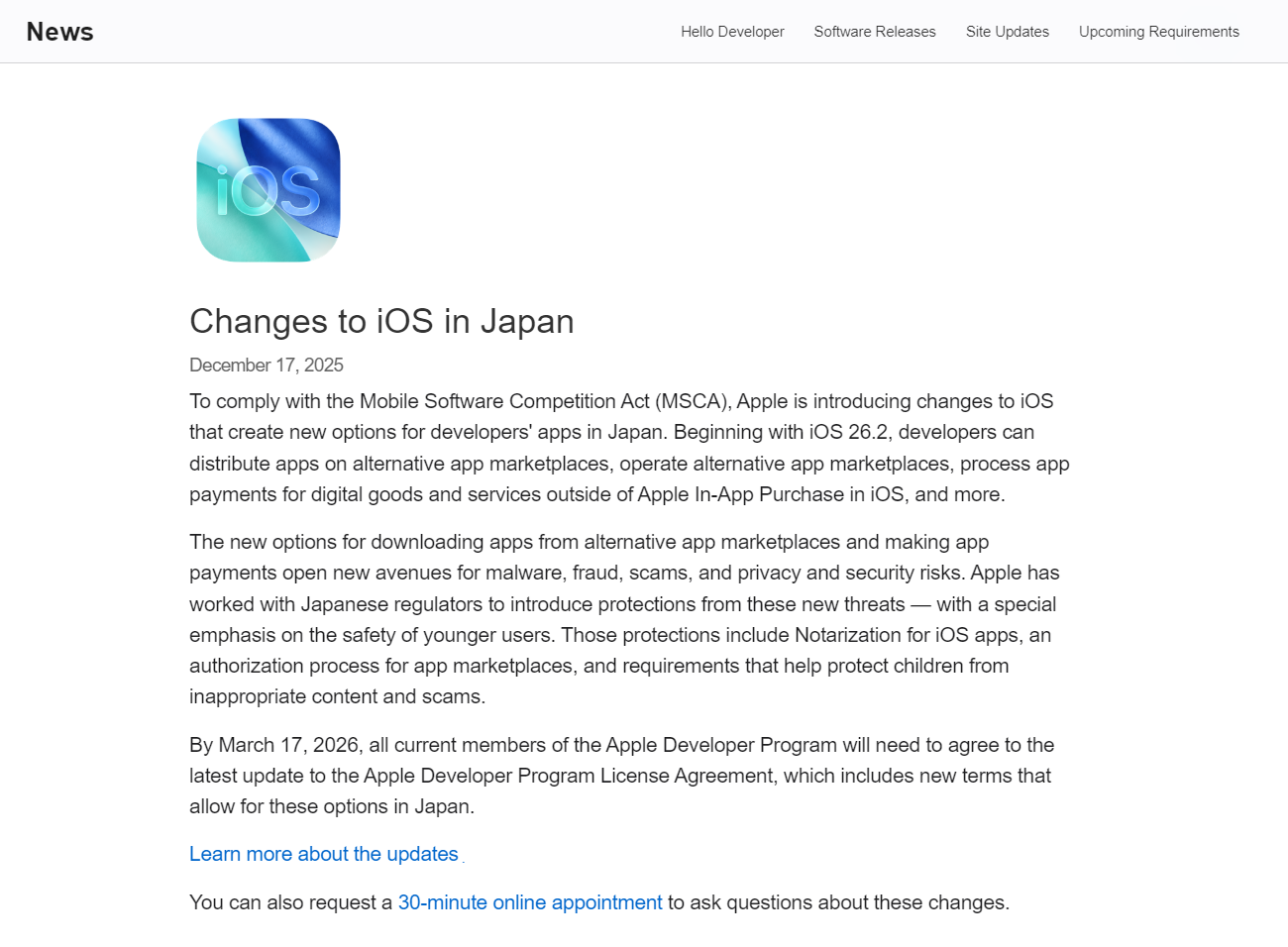
(Source from Apple)
Games distributed via platforms such as AltStore PAL are subject to a 5 percent Core Technology Commission, compared with the reduced 21 percent App Store commission in Japan. This shift lowers platform costs while introducing new compliance and security requirements, including Apple notarization and explicit system warnings for third-party downloads.
For mobile game marketing, these changes move iOS away from a single-store ecosystem toward a multi-channel environment, closer to what publishers already manage on PC and console.
Why This Matters for Mobile Game Marketing in Japan
The rise of Direct-to-Consumer marketing
The MSCA provides a legal foundation for Direct-to-Consumer strategies on iOS. Game marketers can now steer users from ads, social media, and influencer content directly to official websites or alternative marketplaces, bypassing the App Store download and payment flow.
This enables full Web-to-App funnels, lower-priced in-game purchases outside the App Store, and tighter control over user data and CRM. As a result, marketing budgets are expected to shift away from App Store–only ASO toward performance media, influencer campaigns, and community-led acquisition that drive traffic to web stores or third-party download hubs.
Fragmented discovery and niche platforms
Alternative app stores introduce new discovery surfaces. Content that was previously restricted, deprioritized, or difficult to promote in the App Store can now find dedicated audiences. AltStore PAL’s support for emulator-related apps illustrates how retro and experimental gaming categories gain renewed visibility.
In Japan, where users often show strong loyalty to specific franchises, alternative stores also enable fan-oriented distribution models, such as limited-access builds, VIP storefronts, or community-exclusive releases. Discovery becomes more fragmented, but targeting becomes more precise.
Trust, security, and user perception
A major marketing challenge is trust. Apple displays prominent warnings when users install apps from third-party marketplaces, increasing perceived risk. For Japanese consumers, who place high value on privacy and safety, this friction cannot be ignored.
Effective campaigns must emphasize Apple’s notarization process and clearly communicate that third-party apps still meet baseline security checks. Established publishers benefit from brand authority, which can offset user hesitation. Larger companies may even explore branded marketplaces to further reduce perceived risk and strengthen user confidence.
Monetization becomes a marketing lever
Lower commissions change not only revenue models but also user-facing messaging. Developers can now offer differentiated pricing, with digital items or currency priced lower on web stores or alternative marketplaces than in the App Store. These savings can be positioned as a primary acquisition hook.
At the same time, some Apple fees related to web-based transactions have been criticized as limiting full margin relief, particularly for smaller studios. As a result, monetization strategy becomes a balance between operational cost savings and marketing clarity around pricing benefits.
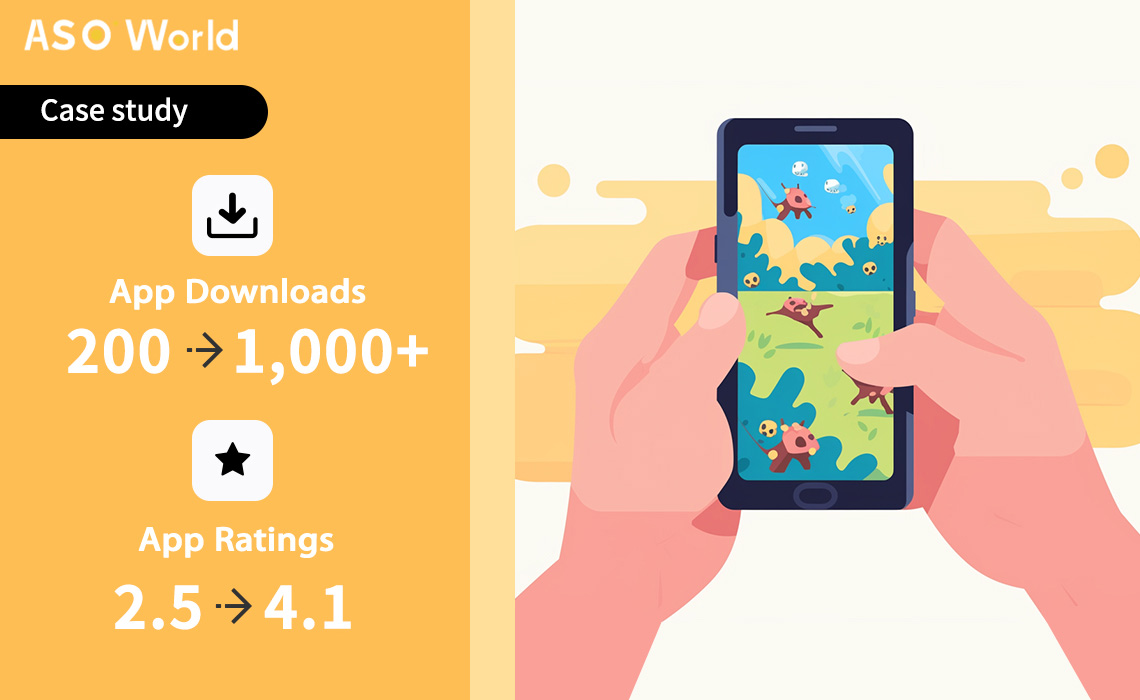
👉 Hyper-Casual Game Case Study: How a New Entrant Gets Its Initial 1,000 Downloads in One Week?
Genre-level impact on strategy
Not all game genres benefit equally from these changes. High-revenue, high-IAP genres such as RPG and gacha games stand to gain the most. Even small reductions in platform fees can translate into substantial revenue impact in Japan’s top-grossing segments.
By contrast, casual and hyper-casual games remain highly dependent on App Store discovery algorithms and large-scale exposure. For these titles, the App Store is likely to remain the primary channel, with alternative marketplaces playing a limited or experimental role.
How Should iOS Game Developers Respond to Altstore and Multi Store Distribution
Rethinking ASO in a multi-store environment
ASO does not disappear, but it evolves. Each marketplace requires its own metadata strategy, keyword research, and creative optimization. Titles, descriptions, screenshots, and previews should be localized and tailored to the discovery mechanics of each store rather than reused across channels.
💡 Expert Tips: focus on game-specific ASO fundamentals such as selecting relevant genre and long-tail keywords, crafting compelling visual assets, and optimizing descriptions to highlight unique gameplay elements. A comprehensive ASO approach helps increase organic visibility and downloads by aligning metadata and creatives with player search intent and competitive patterns, as outlined in the ASOWorld guide to mobile game optimization.
👉 ASO For Games: A Complete Guide to App Store Optimization for Mobile Games
Integrating ASO with DTC acquisition
ASO should now support, not replace, Direct-to-Consumer efforts. Store listings must align with external campaigns, influencer messaging, and landing pages, ensuring consistent value propositions and pricing communication across touchpoints.
Measuring performance across channels
Attribution, channel tagging, and fraud monitoring become essential. Marketers must compare CPI, retention, ARPU, and refund rates across the App Store, third-party marketplaces, and web-based funnels to determine sustainable channel mixes.
Building trust as a growth asset
Security certifications, privacy disclosures, and clear support flows should be surfaced prominently in store listings and marketing materials. Trust messaging moves from a compliance checkbox to a core conversion driver.
👉 Gaming App Marketing Solutions
Conclusion
The combination of AltStore PAL’s launch and the MSCA transforms mobile game marketing in Japan from a single-platform optimization model into a multi-channel, margin-aware, and brand-driven discipline.
Publishers that adapt early by integrating ASO, DTC funnels, trust messaging, and genre-specific monetization strategies will be best positioned to capture long-term growth in this new iOS landscape.
FAQs
How to install AltStore in Japan?
Users can install AltStore PAL in Japan by visiting the official AltStore website and following the iOS installation flow for authorized third-party marketplaces. The process typically involves downloading the marketplace profile, granting required system permissions, and confirming Apple security warnings. All apps distributed through AltStore PAL must be Apple-notarized, which helps ensure baseline security despite installation occurring outside the App Store.
Do developers still need to comply with Apple App Store rules when using alternative app stores?
Yes. Even when distributing through third-party marketplaces such as AltStore PAL, iOS apps must still pass Apple’s notarization process and meet baseline security, privacy, and child-safety requirements. Alternative distribution does not remove Apple’s platform-level oversight.
Can developers fully avoid App Store commissions under the new policy?
Not entirely. While alternative marketplaces may apply lower distribution fees, Apple still charges a Core Technology Commission, and some external payment flows may incur additional fees. Developers must compare total effective costs across App Store, third-party stores, and web-based payments.
Will using a third-party app store affect user trust or install conversion
Potentially. Apple displays system warnings for third-party downloads, which may reduce conversion, especially among risk-averse users. Developers need to compensate with clear trust messaging, brand authority, and visible notarization and privacy assurances.
 COVID-19 UPDATE