COVID-19 UPDATE


Important Notice:Beware of scams using ASOWorld's name for part-time recruitment or ASO earning app activities. ASOWorld is not hiring any part-time staff. Trust only official information posted by ASOWorld.

An examination of how the “Are You Dead?” app transformed a social anxiety into viral expansion and what app developers can glean from its ascent.


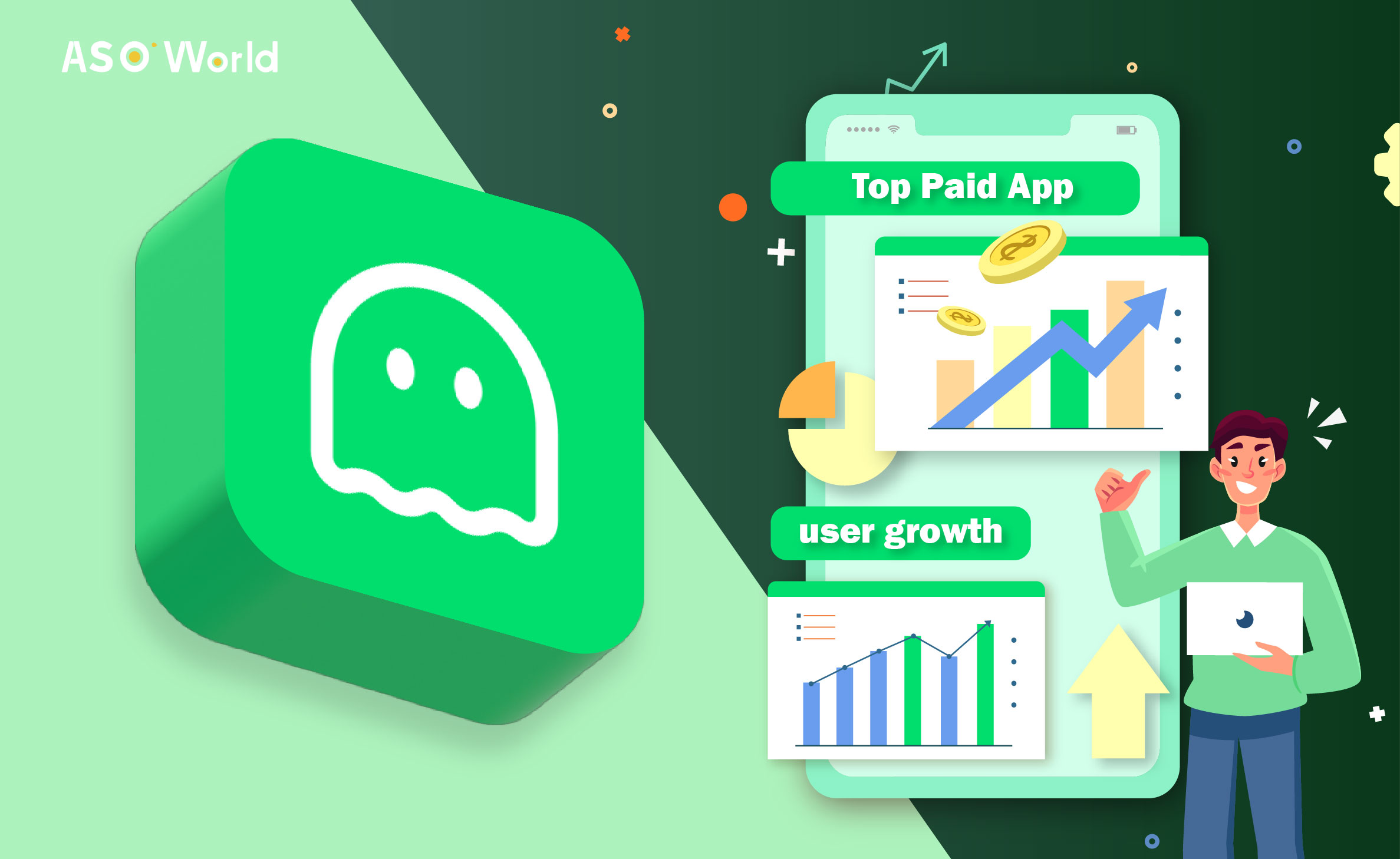
An obscure safety application designed for those living alone ascended from anonymity to the summit of app store rankings within just a few days. Boasting scant features, virtually no marketing spend, and a moniker that ignited controversy, “Are You Dead?,” subsequently rebranded as Demumu, emerged as one of the most discussed apps of early 2026.
Its swift ascent provides more than just a viral narrative. It offers a distinct indication of how app growth is evolving and why societal anxieties are transforming into potent drivers of expansion.
It bore little resemblance to a conventional app launch. It felt more like a question that people found impossible to disregard.
Its proliferation did not originate from advertising or influencer initiatives. It commenced with screenshots, reposts, and straightforward queries across social media. How could an app with such a forthright name possibly exist? Why would anyone part with money for it? What issue was it genuinely addressing?
The response was instantly comprehensible.
The application tackles a silent yet pervasive worry among those who reside alone: what occurs if something goes awry and nobody is aware. This clarity rendered the product simple to elucidate, simple to pass on, and simple to talk about. Every share contained an inherent narrative, converting ordinary users into distribution networks.
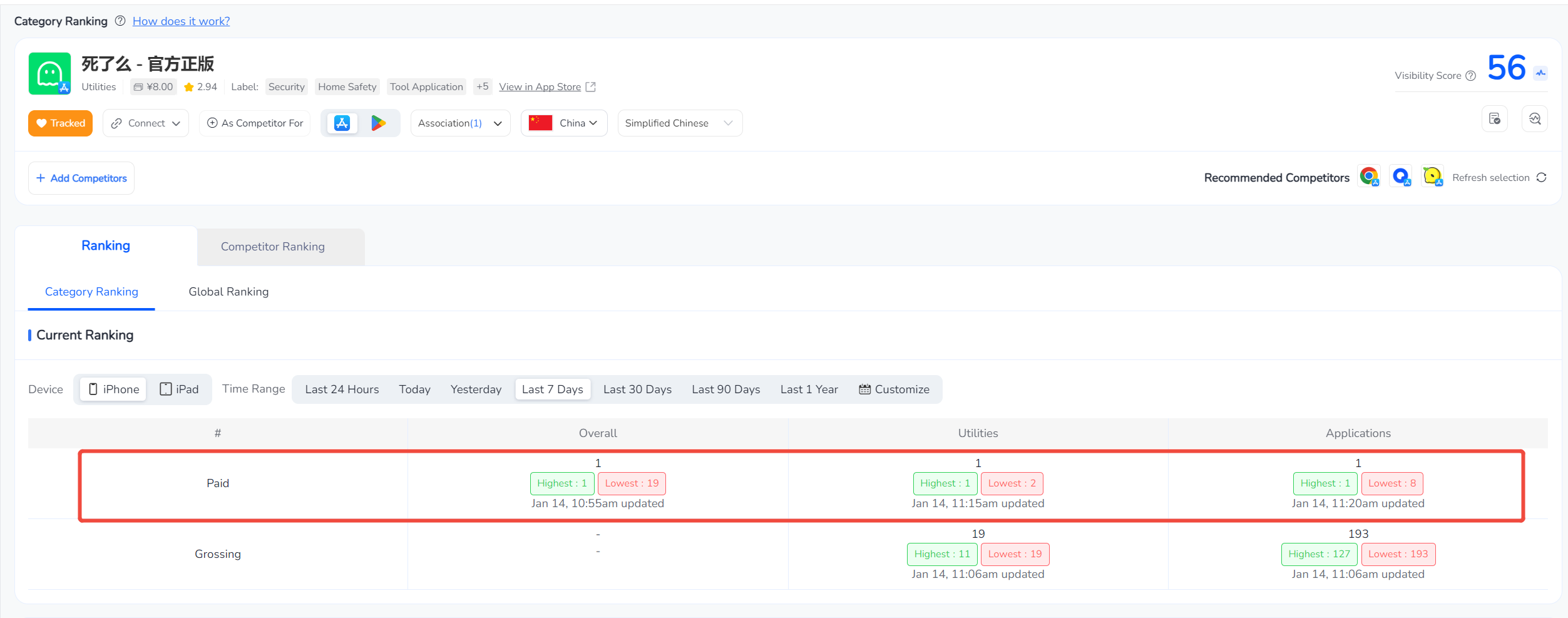
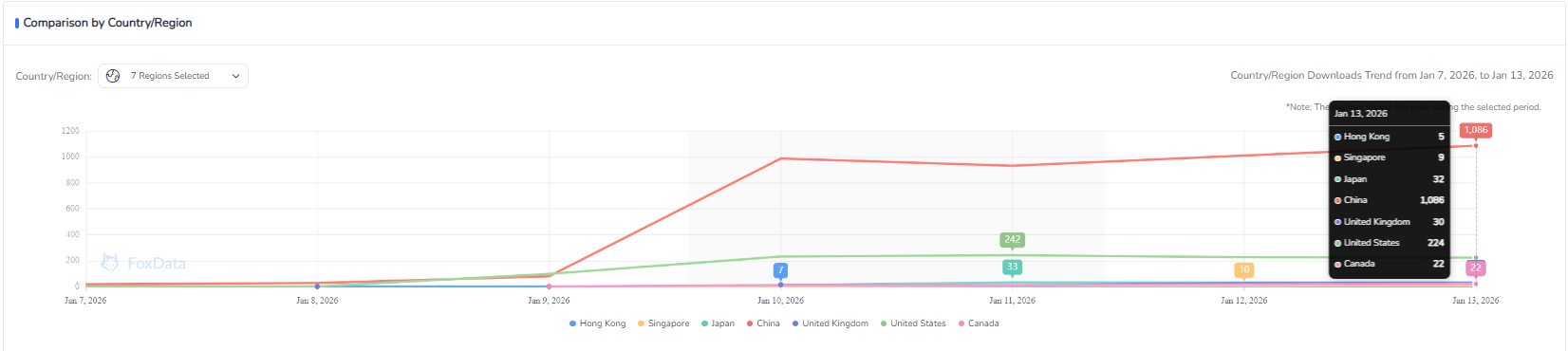
Once focus shifted from social media feeds to app stores, the indicator grew more pronounced. The app ascended rapidly in paid utility rankings, not only within China but across numerous international markets following global media attention.
(Source from FoxData)
This held significance for two reasons.
Firstly, paid positioning signalled intent rather than mere curiosity. Users were not downloading solely out of novelty but were committing funds to a straightforward function they believed might one day prove important.
Secondly, the category itself was revealing. This was not entertainment or productivity software in pursuit of daily interaction. It was a situational instrument crafted for infrequent yet crucial moments, which rendered conversion more significant than sheer download numbers.
The achievement was frequently attributed to fortune, yet several underrated factors combined.
The name functioned as a catalyst for distribution. It was discomfiting, direct, and impossible to overlook. That unease generated discussion before any feature was assessed. Simultaneously, the product rationale remained exceedingly simple. There was no learning curve and no feature overload. The value could be comprehended within seconds.
Most crucially, the app brought to the surface a problem that many people experienced but seldom voiced openly. By granting that concern a tangible form, it diminished the psychological barrier to admitting it. Once the problem had been identified, sharing the remedy felt instinctive.
Not every aspect of this narrative can be reproduced. Timing, media coverage, and social sentiment played a part that cannot be artificially constructed. Nevertheless, several components are transferable.
The first is the selection of the problem. Opportunities often reside in areas that people discuss in hushed tones or only in anonymous forums. Such problems tend to be emotionally charged, frequent enough to be relevant, and inadequately addressed by existing products.
The second is articulation. A product that can be conveyed in a single sentence spreads more rapidly than one that necessitates explanation. Growth quickens when the product responds to a question people already pose to themselves.
The third is velocity. By concentrating on a minimal solution, the team arrived at the market before excessive deliberation diluted the concept. Early exposure confirmed demand long before scalability or perfection became preoccupations.
As imitation apps inundate the marketplace, speed becomes the sole genuine advantage. ASOWorld assists teams in validating demand rapidly, optimising store visibility, and securing rankings before the opportunity closes.
ASOWorld First Order Discount
Get 50% off on your first order to start your app growth!

This case underscores a wider transformation. Discovery no longer commences solely within app stores. It originates in conversations, communities, and collective anxieties. App stores increasingly serve as amplifiers rather than sources of demand.
For developers, this alters priorities. Clarity of messaging can be more important than feature depth in the early stages. Social relevance can surpass conventional growth tactics. Products that resonate with real-world pressure points are more inclined to earn organic advocacy, particularly when the value proposition is instantly apparent.
The ascent of Demumu demonstrates that breakthrough apps do not invariably arise from technical innovations or aggressive marketing. They frequently emerge from more astute problem framing and quicker execution. As competition intensifies and acquisition costs escalate, growth advantages are more likely to stem from comprehending human concerns than from optimising funnels. In the near future, more prosperous apps may appear simpler, more direct, and more socially anchored than their forerunners.
Get FREE Optimization Consultation
Let's Grow Your App & Get Massive Traffic!
All content, layout and frame code of all ASOWorld blog sections belong to the original content and technical team, all reproduction and references need to indicate the source and link in the obvious position, otherwise legal responsibility will be pursued.