На протяжении многих лет рост мобильных приложений строился вокруг одних и тех же панелей управления: App Store Connect и Google Play Console. Рейтинги, метаданные, скриншоты, коэффициенты конверсии. Предположение было простым: обнаружение начинается внутри магазина.
Это предположение незаметно меняется.
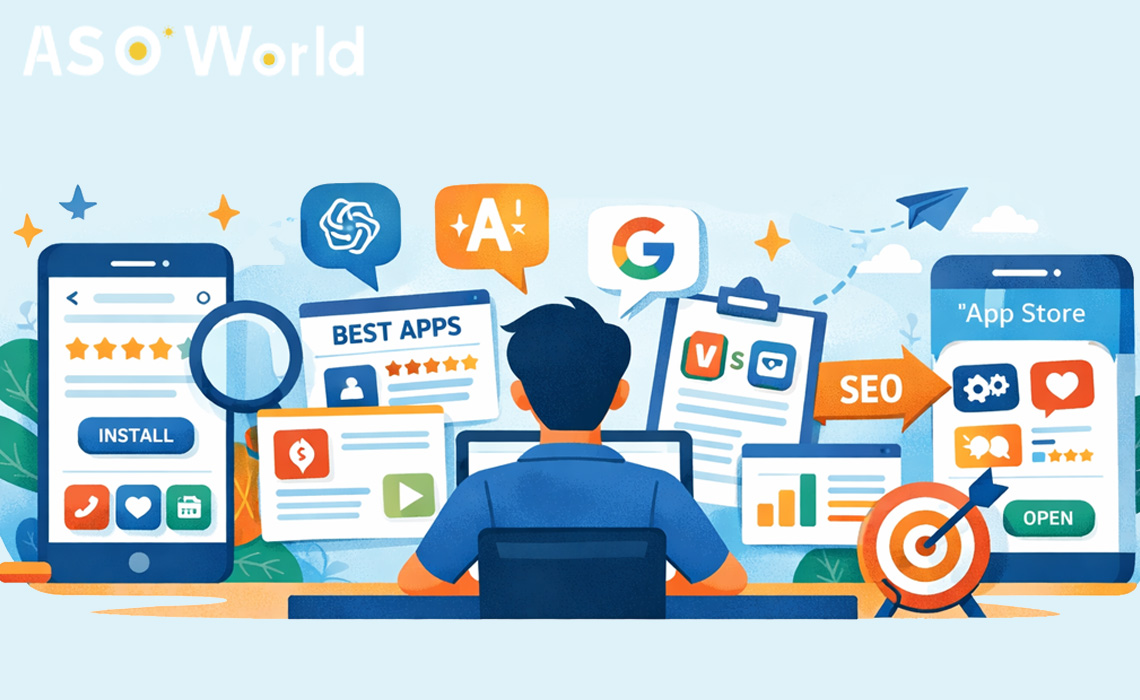
Когда пользователи ищут «трекер привычек для СДВГ» или «лучшее приложение для ведения бюджета для пар», многие теперь начинают в другом месте. Запросы всё чаще обрабатываются с помощью таких инструментов, как OpenAI's ChatGPT, Perplexity AI или Google's AI Overviews. В этих средах ответы формируются ещё до того, как пользователь откроет магазин приложений.
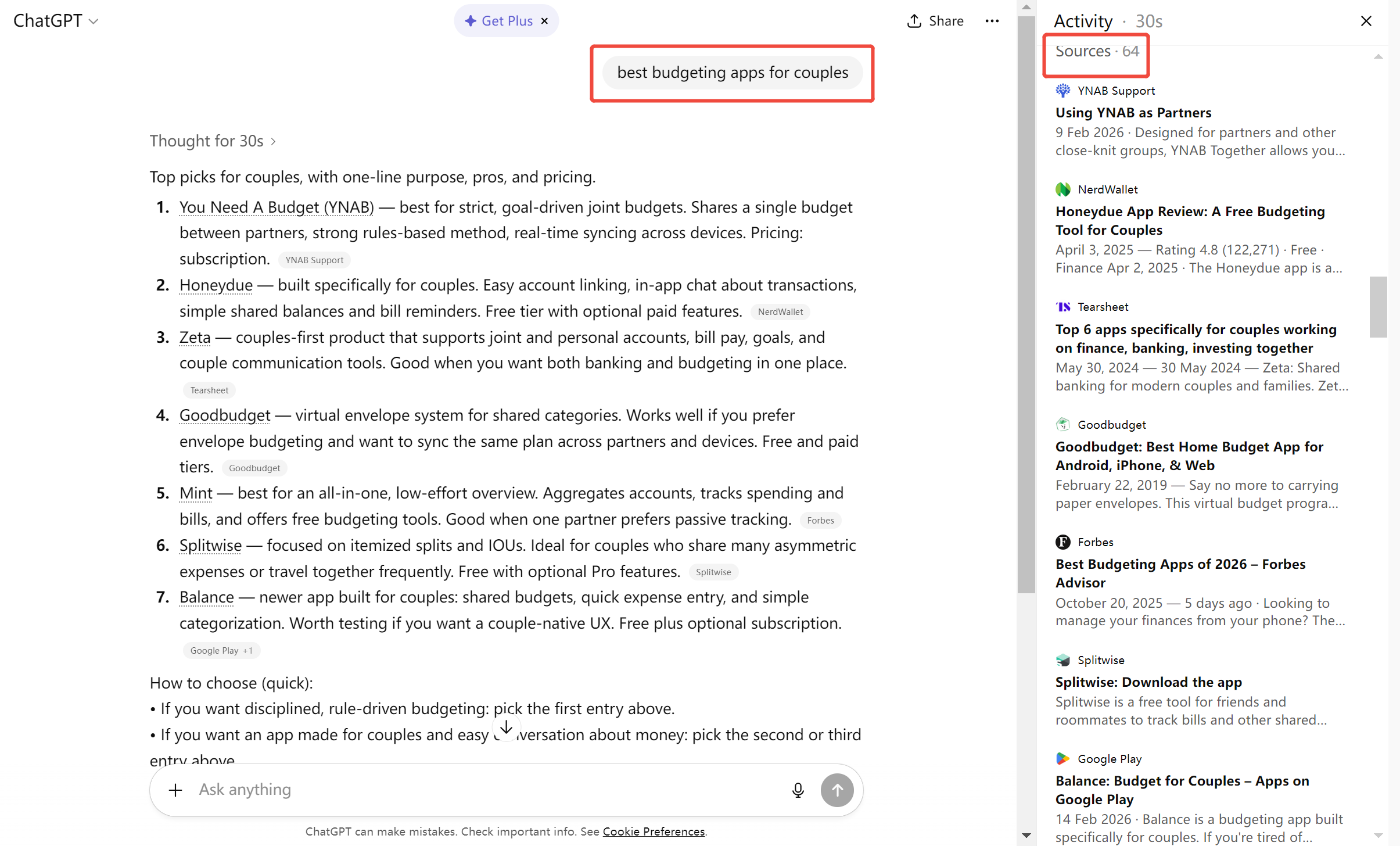
И источниками этих ответов редко являются страницы магазинов. Это веб-страницы: сравнительные руководства, подробные обзоры, объяснения категорий и развернутый редакционный контент.
Обнаружение через ИИ часто происходит раньше, чем обнаружение в магазине.
В этой статье мы рассмотрим:
-
Действительно ли обнаружение приложений незаметно смещается за пределы экосистемы магазинов?
-
Почему системы ИИ чаще ссылаются на веб-контент, чем на страницы магазинов приложений?
-
Что делает некоторые приложения более «подходящими для цитирования» в ответах, сгенерированных ИИ?
-
Как командам роста следует переосмыслить взаимосвязь между SEO и ASO?
-
Что означает этот структурный сдвиг для долгосрочного органического привлечения?
Почему страницы магазинов приложений не являются основным источником для ИИ
Этот сдвиг носит структурный, а не случайный характер.
Крупные языковые модели обучаются и извлекают данные из огромных массивов открытого веба. Их ответы всё чаще опираются на системы извлечения, которые отдают приоритет сканируемым и индексируемым документам. Страницы магазинов приложений, хотя и структурированы, предлагают ограниченную контекстную глубину и не оптимизированы для широкого семантического извлечения.
Более того, от систем ИИ ожидают обоснования рекомендаций. Запрос вроде «лучшие приложения для медитации для начинающих» требует:
Страницы магазинов ориентированы на конверсию, а не на анализ. Веб-статьи, напротив, предназначены для объяснения. Это различие имеет значение.
Если у приложения нет содержательного веб-присутствия, это снижает вероятность его включения в пул источников, из которых ИИ-системы черпают информацию.
Контент как актив для обнаружения
Это не означает конец ASO. Это означает расширение поверхности обнаружения.
Приложения, которые регулярно публикуют:
как правило, формируют более широкий семантический след. Эти документы становятся подходящими для цитирования, суммирования и упоминания в ответах, сгенерированных ИИ.
Каждая качественная страница увеличивает статистическую вероятность появления в предмагазинном этапе обнаружения. Со временем этот эффект накапливается.
Более подробный структурный разбор того, как SEO, ориентированное на приложения, может расширить охват за пределами магазинов, мы представили в статье App SEO Mastery: How to Expand Organic Reach Beyond App Stores.
Почему ASO важнее, чем когда-либо
Обнаружение может начинаться за пределами магазина, но установка всё равно происходит внутри него.
Когда пользователь переходит по ссылке из статьи или ответа, сгенерированного ИИ, он попадает на страницу продукта в App Store или Google Play. В этот момент традиционные элементы ASO определяют конверсию:
SEO обеспечивает видимость и осведомлённость.
ASO захватывает намерение и конвертирует его.
Это больше не параллельные дисциплины. Это последовательные этапы единого пути привлечения.
Что это означает для команд роста приложений
Стоимость привлечения пользователей продолжает расти. Платный трафик остаётся нестабильным. Ответы, опосредованные ИИ, становятся устойчивой точкой входа на этапе исследования.
В этих условиях опора исключительно на оптимизацию магазина сужает воронку. Создание структурированного, индексируемого веб-контента расширяет её.
Для команд роста, оценивающих свою долгосрочную стратегию обнаружения, вопрос уже не в том, актуально ли SEO для приложений. Вопрос в том, насколько глубоко стратегия должна быть интегрирована.
В ASOWorld наша работа исторически была сосредоточена на оптимизации финального слоя конверсии через ASO. Всё чаще мы помогаем командам выстраивать и верхний уровень, обеспечивая взаимное усиление веб-видимости и эффективности в магазине.
Системы ИИ продолжат менять способы представления продуктов. Приложения, которые рассматривают веб-присутствие как ключевой актив роста, а не как второстепенный элемент, находятся в более выгодной позиции для сохранения видимости как в среде поиска, так и в среде синтеза.
 COVID-19 UPDATE