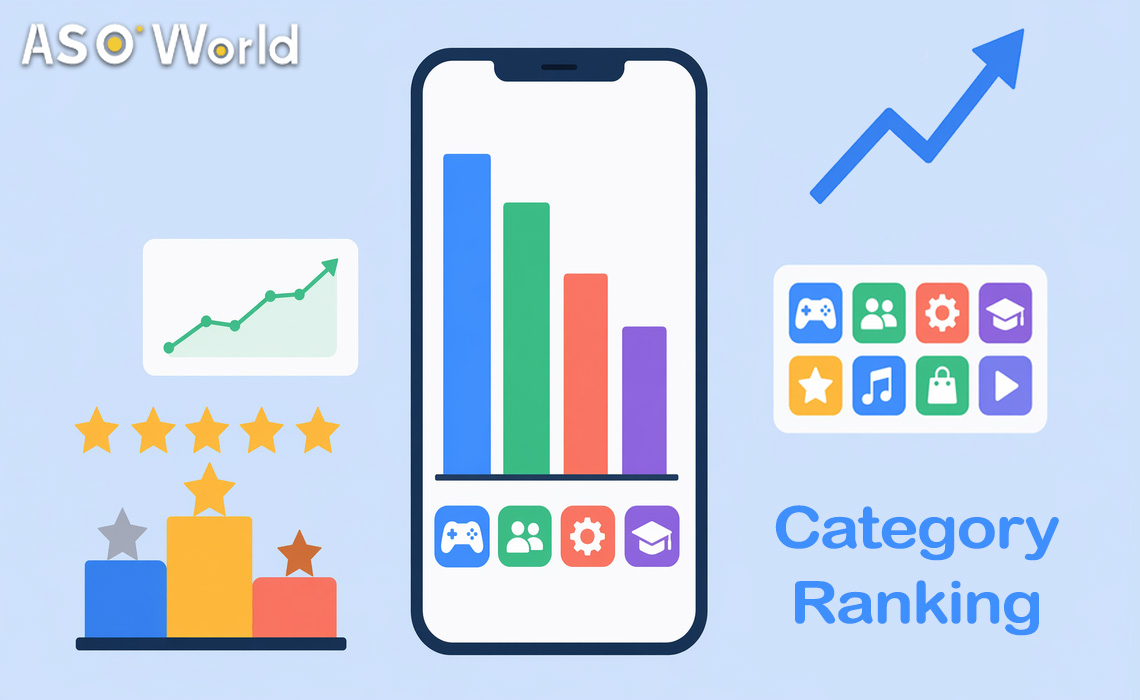
Если позиция вашего приложения в категорийных чартах в последнее время колеблется сильнее обычного, вам это не кажется. Два параллельных процесса трансформируют механику ранжирования приложений по категориям так, как мы ещё не видели: взрывной рост предложения благодаря AI-разработке (количество новых приложений в мире выросло примерно на 60% год к году в начале 2026), и AI-курирование на стороне платформ, которое заменяет традиционное поведение поиска и просмотра персонализированным обнаружением на основе намерений пользователя.
В этом руководстве мы разбираем новые тренды, меняющие ранжирование приложений по категориям в 2026–2027 годах, объясняем, как AI-курирование в магазинах приложений переписывает правила, анализируем, что это значит для традиционных практик ASO, и делимся практическими стратегиями, которые вы можете применить прямо сейчас для защиты и улучшения своих позиций.
Что меняется в ранжировании приложений по категориям?
1. Шок предложения: AI заполняет все категории
Самое значительное структурное изменение 2026 года — это огромный объём. AI-инструменты для разработки радикально снизили порог входа для публикации приложений, позволяя непрограммистам и небольшим командам создавать и выпускать продукты с беспрецедентной скоростью. Результат: категорийные чарты стали более волатильными и краткосрочными, чем когда-либо. Всплески скорости загрузок стали важнее устойчивого объёма установок, а конкуренция усилилась не только в топовых категориях, но и в среднем и длинном хвосте.
Этот шок предложения также перетасовывает расстановку доминирующих категорий. Хотя игры по-прежнему лидируют по абсолютному объёму, Утилиты поднялись на 2-е место, Стиль жизни — на 3-е, а Продуктивность и Здоровье и фитнес входят в топ-5. AI-нативные сценарии использования — инструменты, ассистенты, приложения для автоматизации — перетягивают рейтинги от чистых развлечений. «Микроутилиты» (узкоспециализированные инструменты) растут быстрее крупных платформ, а на некоторых рынках четыре из шести топовых бесплатных приложений связаны с AI.
Показательный пример: AI-приложение для генерации видео вышло в топ-5 по высококонкурентным ключевым словам, объединив стратегическое позиционирование в категории с многоуровневым подходом к ключевым словам — это плейбук, который показывает, как новые игроки могут прорваться даже в переполненных AI-доминируемых чартах.
Фактически формируется новая «мета-категория»: AI-приложения, которые конкурируют одновременно в продуктивности, образовании и утилитах, размывая традиционные границы категорий. Для маркетологов это означает, что ранжирование по категориям больше не является изолированным — ваш конкурентный набор может включать приложения из совершенно других категорий, обслуживающих пересекающиеся потребности пользователей.
2. От объёма загрузок к качеству вовлечённости
Исторически ранжирование приложений по категориям было во многом игрой чисел: больше установок — выше позиция в чарте. Эта модель быстро уходит в прошлое. В 2026 году и Apple App Store, и Google Play учитывают поведенческие сигналы вовлечённости — включая коэффициент удержания, частоту сессий и воспринимаемое пользователем качество — наряду со скоростью загрузок.
Собственные данные Apple подтверждают, что поиск составляет примерно 65% всех загрузок из App Store, и алгоритм теперь оценивает, остаются ли пользователи, которые находят ваше приложение. Google Play пошёл дальше, привязав метрики технического качества (частоту сбоев, пороги ANR) непосредственно к видимости в магазине. Приложения, превышающие пороги «плохого поведения» Google — например, 0,47% ежедневного ANR — получают сниженную видимость и могут вызвать предупреждения для пользователей на странице листинга.
Что это значит для ранжирования по категориям: приложение с умеренным количеством загрузок, но сильным 7-дневным удержанием и низкой частотой сбоев теперь может обойти конкурента с большим числом установок, но слабой вовлечённостью. Если вы всё ещё измеряете успех исключительно количеством установок, вашей стратегии ASO необходимо фундаментальное обновление.
3. AI-курирование заменяет статичные чарты
Традиционные списки «Топ бесплатных» и «Топ платных» больше не являются основной поверхностью обнаружения. Обе платформы активно инвестировали в AI-курируемые рекомендации, которые персонализируют то, что видит каждый пользователь, на основе его поведения, предпочтений и контекста.
В Apple App Store вкладка «Сегодня» и курируемые подборки используют сигналы вовлечённости и качества, чтобы показывать небольшие приложения наряду с крупными тайтлами. Новая функция App Store Tags автоматически генерирует метки из ваших метаданных с помощью AI, что может влиять на размещение в разделе обзора способами, недоступными статичному ранжированию по категориям. Внутриприложенческие события — турниры, сезонные акции, обновления контента — теперь индексируются и могут появляться непосредственно в результатах поиска, расширяя охват обнаруживаемости за пределы стандартной страницы продукта.
В Google Play сдвиг ещё более выражен. Engage SDK, Collections и вкладка «Для вас» вознаграждают приложения, которые возвращают пользователей, а не только те, которые их привлекают. Guided Search от Google использует AI для организации результатов по намерению пользователя: когда кто-то вводит «найти жильё» вместо конкретных ключевых слов, алгоритм сортирует релевантные приложения по контекстуальным категориям. Это фундаментально меняет способ отображения приложений внутри категорий и между ними.
💡 Совет эксперта: Оптимизируйте под намерение, а не только под категорию
С AI-управляемым Guided Search в Google Play ваше приложение может появляться по целевым запросам даже за пределами основной категории. Убедитесь, что ваше развёрнутое описание включает фразы на естественном языке, соответствующие тому, как реальные пользователи описывают свои проблемы — например, «отслеживать ежедневное потребление воды» вместо просто «трекер здоровья». Эта оптимизация на основе намерений — рычаг роста, который большинство конкурентов упускает.
4. Выбор категории теперь — стратегический рычаг
Раньше выбор правильной категории был разовым решением при запуске. В 2026–2027 годах это стало постоянной конкурентной стратегией. Поскольку AI-курирование размывает границы между категориями, выбор основной и дополнительной категории напрямую влияет на то, в каких алгоритмических «корзинах» конкурирует ваше приложение — и в каких персонализированных лентах рекомендаций оно появляется.
Распространённая ошибка — выбирать самую очевидную категорию. Приложение для медитации в категории «Здоровье и фитнес» конкурирует с тысячами фитнес-трекеров, тогда как размещение в «Стиле жизни» может поставить его в менее перегруженное поле с не менее релевантным намерением пользователей. Данные стабильно показывают, что приложения, выбирающие стратегически подходящие, но менее насыщенные категории, достигают более высоких позиций в чартах и лучших показателей органической конверсии.
Apple и Google также по-разному обрабатывают сигналы категорий. В iOS основная категория влияет на релевантность ключевых слов и напрямую определяет, где ваше приложение появляется в результатах просмотра. В Google Play категория влияет на то, с каким набором конкурентов алгоритм будет вас сравнивать. Понимание этих нюансов критически важно для выбора эффективных категорий, максимизирующих ваш потенциал ранжирования.
Как AI-курирование в магазинах приложений меняет правила игры
Custom Product Pages и персонализированное обнаружение
Одно из наиболее значимых изменений 2025 года — с существенным импульсом на 2026 и 2027 годы — заключается в том, что Custom Product Pages (CPP) от Apple теперь отображаются в органических результатах поиска, а не только в платных кампаниях. С увеличением лимита до 70 CPP на приложение разработчики могут создавать варианты страницы магазина, подобранные под намерение пользователя, которые автоматически отображаются при поиске определённых терминов.
Для ранжирования по категориям это означает, что одно приложение может эффективно занимать несколько позиций внутри категории, представляя разные ценностные предложения разным сегментам аудитории. Например, приложение для управления проектами может показывать скриншоты для фрилансеров по запросу «трекер времени для фрилансеров» и командные визуалы по запросу «инструмент для командной работы» — всё в рамках одного листинга категории «Продуктивность».
Custom Store Listings (CSL) от Google предлагают аналогичную сегментацию. Ранние данные показывают медианный рост конверсии на 10% при стратегическом использовании CSL. В сочетании с возможностью Engage SDK показывать персонализированный контент на различных поверхностях Play, инструментарий персонализации на Android значительно расширился.
Текст на скриншотах как сигнал ранжирования
Обновление алгоритма Apple в середине 2025 года подтвердило, что подписи на скриншотах теперь активно индексируются для поискового ранжирования. Это превращает скриншоты из чисто конверсионного элемента в двойной актив, влияющий как на ранжирование по ключевым словам, так и на позицию в категорийном чарте.
Если подписи на ваших скриншотах сейчас содержат что-то вроде «Решение всё-в-одном» или «Лучшее приложение», вы теряете ценное пространство метаданных. Подписи типа «Отслеживайте пробежку в реальном времени» или «Редактируйте 4K-видео одним касанием» работают лучше и для алгоритмов, и для принятия решений пользователями.
✅ Совет эксперта: Чеклист оптимизации подписей на скриншотах
- Проверьте все подписи на скриншотах на соответствие ключевым словам из вашего топ-10 целевых терминов.
- Используйте конкретный, ориентированный на действие язык — глаголы, соответствующие поисковому намерению пользователя.
- Разместите самое приоритетное ключевое слово в подписи первого скриншота (он отображается в результатах поиска на iOS).
- Проводите A/B-тестирование вариантов подписей ежеквартально — 57% топовых игр в Google Play тестируют скриншоты минимум дважды в год.
- Интегрируйте оптимизацию подписей в ваш общий рабочий процесс исследования и оптимизации ключевых слов.
Удержание и повторное вовлечение как топливо для ранжирования
Отчёт Apple о прозрачности за 2024 год раскрыл впечатляющую цифру: в App Store в среднем 1,9 миллиарда повторных загрузок в неделю против 839 миллионов новых загрузок. Повторные загрузки опережают первичные установки более чем в 2 раза. Это сигнализирует о фундаментальном сдвиге в том, как магазины оценивают жизненный цикл пользователя — и это напрямую влияет на расчёты ранжирования по категориям.
Приложения с высоким уровнем повторного вовлечения подают алгоритму сигнал о качестве. Google сделал это явным через программу Level Up для игр, которая предоставляет расширенную видимость в магазине тайтлам, соответствующим бенчмаркам вовлечённости по непрерывности игры, кроссплатформенной поддержке и глубине сессий.
Для вашей стратегии ранжирования по категориям это означает, что оптимизация удержания больше не является заботой «после запуска» — это фактор ранжирования. Инвестируйте в онбординг, обеспечивающий ценность с первой сессии, используйте внутриприложенческие события для возврата отвалившихся пользователей и относитесь к странице вашего приложения в магазине как к постоянному маркетинговому каналу, а не статичной странице.
AI-генерируемые сводки отзывов меняют конверсию
Google Play теперь использует AI для автоматической генерации сводок отзывов, выделяющих повторяющиеся плюсы и минусы в верхней части вашего листинга. Пользователи всё чаще пропускают отдельные отзывы и принимают решение об установке на основе этих AI-курируемых снимков настроений.
Последствия для ранжирования по категориям двояки: во-первых, коэффициент конверсии из просмотра листинга в установку становится более сильным сигналом ранжирования; во-вторых, темы и кластеры настроений в ваших отзывах теперь важнее, чем количество отдельных звёзд. Повторяющаяся жалоба на сбои или запутанный онбординг — даже от небольшого числа отзывов — может быть выведена на видное место AI-сводкой и обрушить вашу конверсию. Управление темами отзывов стало столь же важным, как поддержание высокого среднего рейтинга. Понимание того, как стратегически улучшить рейтинги и отзывы вашего приложения, теперь является ключевой дисциплиной ранжирования по категориям.
Рост «обнаружения без клика»
Пожалуй, самый перспективный тренд: пользователи всё чаще находят приложения через AI-ассистентов — ChatGPT, Siri, Google Gemini — вместо просмотра категорийных чартов магазинов. Процесс выглядит так: пользователь спрашивает AI рекомендацию → AI предлагает конкретные приложения → пользователь переходит по ссылке для установки, полностью обходя поиск и навигацию по магазину.
В этой модели App Store становится инфраструктурой, а не основным каналом обнаружения. Веб-присутствие вашего приложения, настроения в отзывах и структурированные метаданные определяют, порекомендует ли вас AI — а не позиция в категорийном чарте. Это не делает ранжирование по категориям нерелевантным, но означает, что разработчики, полагающиеся исключительно на позицию в чарте для органического роста, строят на всё более узком фундаменте.
Что это значит для ASO — и как адаптироваться
Эти сдвиги не делают традиционное ASO устаревшим — но они переопределяют, чего каждый рычаг реально достигает. Вот как эволюционируют основные компоненты ASO и что следует скорректировать практикам.
Ключевые слова: по-прежнему необходимы для индексации, но вторичны по отношению к семантическому сопоставлению
Ключевые слова остаются основой для первичной индексации в магазинах приложений и базовой релевантности. Без покрытия ключевыми словами ваше приложение просто не появится в релевантных поисковых запросах. Но одни ключевые слова больше не обеспечивают устойчивое ранжирование по категориям. AI-слои магазинов теперь выполняют семантическое сопоставление — оценивая, действительно ли общие метаданные, отзывы и поведенческие данные вашего приложения соответствуют намерению пользователя, а не просто содержат ли правильные слова в правильных полях.
Практический сдвиг: рост органического трафика через ключевые слова остаётся проверенным подходом для установления и защиты поисковых позиций — особенно для новых приложений, которым нужно выстроить первичные сигналы индексации. Сервисы вроде таргетированных установок по ключевым словам помогают приложениям выстроить специфические для поиска сигналы загрузок, которые алгоритмы используют для первичной индексации, создавая фундамент, на котором семантическая релевантность затем может нарастать. Но установки по ключевым словам работают лучше всего в сочетании с сильной пост-установочной вовлечённостью, которая алгоритмически подтверждает релевантность ключевых слов.
Двухфазная кривая ранжирования
В 2026 году вырисовывается чёткая закономерность поведения категорийных рейтингов:
- Фаза 1 — всплеск при запуске: Скорость загрузок, платный UA и вирусные моменты по-прежнему дают краткосрочный подъём ранжирования. Именно здесь таргетированные кампании с концентрированными установками по конкретным ключевым словам остаются высокоэффективными. Для приложений, которым важна как широкая видимость, так и таргетинг по ключевым словам, пакетные установки приложений могут усилить общие сигналы объёма загрузок, которые питают компонент скорости в ранжировании по категориям.
- Фаза 2 — фильтр качества: После первоначального всплеска включается AI-управляемая стабилизация ранжирования. Алгоритм оценивает удержание, глубину вовлечённости, частоту сбоев и настроения в отзывах. Приложения, прошедшие этот фильтр качества, удерживают свою позицию в категории; те, что не прошли — падают обратно, независимо от объёма установок.
Эта двухфазная модель означает, что командам роста нужно планировать обе стадии. Структурированный подход, сочетающий правильный микс установок по ключевым словам и пакетных установок для всплеска при запуске — с последующей оптимизацией удержания и отзывов для фазы фильтра качества — даёт более устойчивые результаты ранжирования, чем любой из подходов по отдельности.
🔬 Совет эксперта: ASO эволюционирует в AEO (App Experience Optimization)
Дисциплина расширяется за пределы метаданных и ключевых слов, охватывая весь пользовательский опыт как входной сигнал ранжирования. AEO — App Experience Optimization — отражает этот сдвиг. Это означает, что качество вашего онбординга, частота сессий, понятность функций и даже техническая производительность приложения теперь являются частью вашей «поверхности оптимизации». Команды, интегрирующие продукт, инженерию и маркетинг в единую структуру AEO, будут стабильно превосходить тех, кто по-прежнему изолирует ASO как исключительно маркетинговую функцию.
Представьте это так: традиционное ASO делает ваше приложение находимым. AEO делает ваше приложение выбираемым AI-системами, которые всё больше решают, что видят пользователи.
Отзывы и рейтинги: от показателя тщеславия к AI-ориентированному сигналу
С AI-генерируемыми сводками отзывов, теперь занимающими видное место в Google Play, и настроениями в отзывах, влияющими как на конверсию, так и на алгоритмические оценки качества, ваш профиль отзывов — это больше не просто социальное доказательство, а машиночитаемый сигнал ранжирования. Здоровая, растущая база отзывов с последовательными позитивными тематическими кластерами напрямую поддерживает стабильность ранжирования по категориям.
Для приложений, набирающих обороты или восстанавливающихся после цикла негативных отзывов, структурированная программа улучшения отзывов и рейтинга ускоряет фазу фильтра качества. Ключ — постоянство: стабильный поток подлинных положительных отзывов несёт больший алгоритмический вес, чем эпизодические всплески. Наш анализ того, как отзывы о приложении влияют на бизнес-метрики, такие как LTV и CPI, иллюстрирует, почему управление отзывами должно быть в основном инструментарии команды роста, а не добавляться постфактум.
Скорость и итеративность как конкурентное преимущество
На рынке, переполненном AI-сгенерированными приложениями, частота обновлений сама по себе стала сигналом ранжирования. Обе платформы отдают предпочтение приложениям, которые регулярно выпускают улучшения — это сигнализирует об активной поддержке, постоянных инвестициях в качество и отзывчивости к обратной связи пользователей. Более быстрые циклы итераций (которые сами стали возможны благодаря AI-разработке) улучшают сигналы ранжирования и помогают адаптироваться к изменениям алгоритмов раньше конкурентов, обновляющихся раз в квартал.
Для команд, ищущих практические примеры того, как интегрированное выполнение ASO обеспечивает измеримые результаты, кейс социального приложения с ростом установок на 140% через оптимизацию органического поиска демонстрирует тот тип кумулятивного роста, который может обеспечить систематическая работа с ключевыми словами и ранжированием.
Практические стратегии для улучшения ранжирования приложения по категориям в 2026–2027
Знать, что изменилось, полезно лишь тогда, когда вы знаете, как на это реагировать. Вот практическая структура, которую вы можете применить немедленно.
🚀 5-шаговая структура оптимизации ранжирования по категориям
Шаг 1: Проведите аудит соответствия категории. Пересмотрите, по-прежнему ли ваши основная и дополнительная категории представляют лучшую конкурентную среду. Используйте анализ конкурентов, чтобы выявить категории, в которых метрики вовлечённости вашего приложения поместили бы вас в верхний квартиль, а не заставляли бороться за нижнюю часть перенасыщенного чарта. Если вы не знаете, с чего начать, наш гайд по ASO в Google Play Store и оптимизации ключевых слов описывает механику взаимодействия сигналов категории с релевантностью ключевых слов.
Шаг 2: Создайте маппинг ключевых слов к CPP. Определите ваши топ-15–20 ключевых слов и привяжите их к конкретным Custom Product Pages (iOS) или Custom Store Listings (Android). Каждый вариант должен содержать скриншоты, подписи и промо-текст, адаптированные под намерение за данным кластером ключевых слов. Это создаёт множественные точки входа в ваш листинг категории.
Шаг 3: Оптимизируйте технические сигналы качества. В Google Play свяжите данные о сбоях и ANR из Play Console с вашими показателями ранжирования. Если вы видите падение ранжирования по категории, проверьте, не вывел ли последний билд ваши метрики стабильности за порог «плохого поведения», прежде чем предполагать проблему с ключевыми словами или креативами. В iOS отслеживайте размер приложения относительно норм категории и долю безотказных первых сессий.
Шаг 4: Внедрите программу скорости получения отзывов. Рейтинги и отзывы остаются подтверждённым фактором ранжирования на обеих платформах. Приложения с рейтингом ниже 3,5 звёзд получают заметно меньшую видимость, тогда как те, что выше 4,0 — ощутимый подъём ранжирования. Структурированный подход к формированию профиля отзывов в магазине приложений может ускорить ваши достижения в ранжировании по категориям.
Шаг 5: Относитесь к ASO как к непрерывной программе. Приложения, удерживающие топовые позиции в категориях, пересматривают и обновляют свои метаданные ежеквартально. Веса алгоритмов сдвигаются, поведение конкурентов меняется, а сезонные поисковые тренды эволюционируют. Разработчики, которые совершенствуют свою стратегию подбора ключевых слов на постоянной основе, стабильно превосходят тех, кто настроил и забыл. Для команд, которым нужно достичь конкретных целей ранжирования в определённые сроки, сервис гарантированного ранжирования по ключевым словам может обеспечить концентрированный толчок, необходимый для выхода в топовые позиции — после чего фаза фильтра качества определяет, удержитесь ли вы на этих позициях.
На что обратить внимание: тренды ранжирования по категориям в 2027 году
Заглядывая дальше, структурный сдвиг продолжает ускоряться:
- Персонализированные витрины заменяют универсальные чарты: «Приложение №1» будет терять смысл в глобальном масштабе, поскольку обе платформы показывают пользовательские рейтинги на основе поведения, намерения, контекста и устройства. Нишевые приложения получают больше видимости через персонализацию, тогда как захват чартов только через объём становится сложнее.
- Масштабирование обнаружения без клика: По мере того как AI-ассистенты становятся основным инструментом поиска приложений, узкое место обнаружения смещается с «ранжирования» на «выбор». Платформы могут перейти к AI-курированию вместо более строгих процессов одобрения, фактически отдавая обнаружение рекомендательным системам, а не чартам.
- Кроссплатформенная конвергенция категорий: По мере роста популярности альтернативных магазинов приложений в ЕС и за его пределами, ранжирование по категориям становится мультиплатформенной дисциплиной. Приложения, оптимизированные только под Apple и Google, упустят возможности дистрибуции.
- Расширение индексации внутриприложенческих событий: Apple и Google расширяют влияние внутриприложенческих событий (live activities, акции, обновления контента) на размещение при просмотре категорий. Постоянное проведение хорошо оптимизированных событий может стать столь же важным, как оптимизация метаданных, для поддержания видимости в категории.
- Ранжирование = импульс + релевантность (гибридная модель): Формирующийся паттерн очевиден — скорость загрузок производит краткосрочные всплески ранжирования, тогда как удержание и вовлечённость обеспечивают устойчивое позиционирование. Команды, освоившие обе фазы этой кривой, будут доминировать в своих категориях.
Для разработчиков и маркетологов, которые только начинают формализовать свой подход, наш план ASO для начинающих в продвижении приложений предоставляет фундаментальную структуру, которая нужна перед тем, как браться за эти продвинутые стратегии ранжирования по категориям.
🎯 Совет эксперта: Отслеживайте актуальные рыночные данные
Сдвиги в ранжировании по категориям часто коррелируют с более широкими рыночными движениями. Отслеживание актуальных трендов магазинов приложений и инсайтов ASO помогает отличать изменения алгоритмов от сезонных паттернов и действий конкурентов — чтобы вы направляли усилия по оптимизации туда, где это действительно сдвинет показатели.
Заключение
2026–2027 — это период структурного сдвига в ранжировании приложений по категориям. Рейтинги больше не являются статичными чартами — это динамические, формируемые AI результаты. ASO больше не сводится к изолированному «повышению позиций» — речь идёт о том, чтобы быть выбранным AI-системами, которые всё больше определяют, что видят пользователи.
Конкурентное преимущество смещается от ключевых слов к контексту, от установок к удержанию, от чартов к персонализации. Для разработчиков, инвестирующих в качественные сигналы вовлечённости, страницы магазина, соответствующие намерениям, и дисциплинированные практики оптимизации, AI-курирование — это уравнитель, дающий хорошо оптимизированным приложениям реальный шанс конкурировать с укоренившимися лидерами.
Команды, которые относятся к ранжированию приложений по категориям как к постоянной, управляемой данными дисциплине — сочетая скорость на фазе запуска с устойчивыми сигналами качества — будут теми, кто захватит непропорционально большой органический рост, который эти платформенные изменения призваны вознаградить.
Часто задаваемые вопросы
Какие факторы определяют ранжирование приложений по категориям в 2026 году?
Ранжирование приложений по категориям в 2026 году определяется комбинацией скорости загрузок, сигналов вовлечённости пользователей (удержание, глубина сессий, повторные загрузки), рейтингов и отзывов, метрик технического качества (частота сбоев, показатели ANR) и релевантности метаданных. И Apple, и Google сместили акцент в сторону качества вовлечённости по сравнению с сырым количеством установок, что означает: приложения с сильным пост-установочным поведением обходят те, у которых много загрузок, но слабое удержание.
Как AI-курирование влияет на позицию моего приложения в категории?
AI-курирование персонализирует то, что видит каждый пользователь в магазинах приложений, а значит, единого «универсального» категорийного чарта больше не существует. Обе платформы используют машинное обучение для объединения редакторских подборок с алгоритмическими рекомендациями на основе поведения пользователей. Ваше приложение может занимать разные позиции для разных пользовательских сегментов. Оптимизация сигналов вовлечённости, использование Custom Product Pages и поддержание высокого технического качества — основные способы влияния на AI-курируемые размещения.
Стоит ли менять категорию приложения для улучшения ранжирования?
Потенциально, да. Если ваше приложение застряло в нижней половине сильно перенасыщенной категории, переход в менее конкурентную, но столь же релевантную категорию может дать немедленное улучшение ранжирования. Однако смена категории должна быть основана на данных — проанализируйте конкурентную плотность, средние рейтинги и бенчмарки вовлечённости в целевой категории перед переключением. Если возможно, сначала протестируйте с дополнительной категорией.
Как часто нужно обновлять стратегию ASO для поддержания ранжирования по категориям?
Как минимум пересматривайте и обновляйте метаданные, скриншоты и таргетинг по ключевым словам ежеквартально. Веса алгоритмов сдвигаются, поведение конкурентов меняется, а сезонные поисковые тренды непрерывно эволюционируют. Топовые приложения в Google Play проводят A/B-тестирование скриншотов минимум дважды в год. Сочетайте запланированные оптимизации с реактивными обновлениями при обнаружении значительных сдвигов ранжирования в данных трекинга.
Что такое «обнаружение без клика» и как оно влияет на ранжирование по категориям?
Обнаружение без клика — это формирующийся паттерн, при котором пользователи находят и устанавливают приложения через AI-ассистентов (ChatGPT, Siri, Google Gemini), никогда не просматривая категорийные чарты магазинов. AI предлагает конкретные приложения и даёт ссылки для прямой установки. Это не делает ранжирование по категориям нерелевантным — оно по-прежнему генерирует значительный органический трафик — но означает, что разработчики также должны оптимизировать AI-читаемые сигналы: структурированные метаданные, позитивные темы отзывов, сильное веб-присутствие и чёткие ценностные предложения, которые AI-системы могут распознать и рекомендовать.
В чём разница между ASO и AEO (App Experience Optimization)?
ASO (App Store Optimization) традиционно фокусируется на метаданных, ключевых словах, скриншотах и отзывах для улучшения видимости в магазине и конверсии. AEO (App Experience Optimization) расширяет это, включая весь пользовательский опыт как входной сигнал ранжирования — качество онбординга, частоту сессий, техническую производительность, циклы удержания и понятность функций. В 2026–2027 годах, когда алгоритмы всё сильнее учитывают пост-установочное поведение, AEO представляет собой эволюционную форму ASO, в которой качество продукта и маркетинговая оптимизация сливаются в единую дисциплину.
 COVID-19 UPDATE