COVID-19 UPDATE

Google Play Rating Dropped? 6 Causes and a 30-Day Recovery Plan for Indie Apps


중요 공지:파트타임 채용이나 ASO 수익 앱 활동을 위해 ASOWorld의 이름을 사용하는 사기에 주의하세요. ASOWorld는 파트타임 직원을 채용하지 않습니다. ASOWorld가 게시한 공식 정보만 신뢰하세요.

새 앱에 평점이나 순위가 표시되지 않나요? 앱 스토어 빠른 시작이 발생하는 이유를 알아보고, 문제를 해결하기 위한 단계별 진단 체크리스트를 따라 해 보세요.


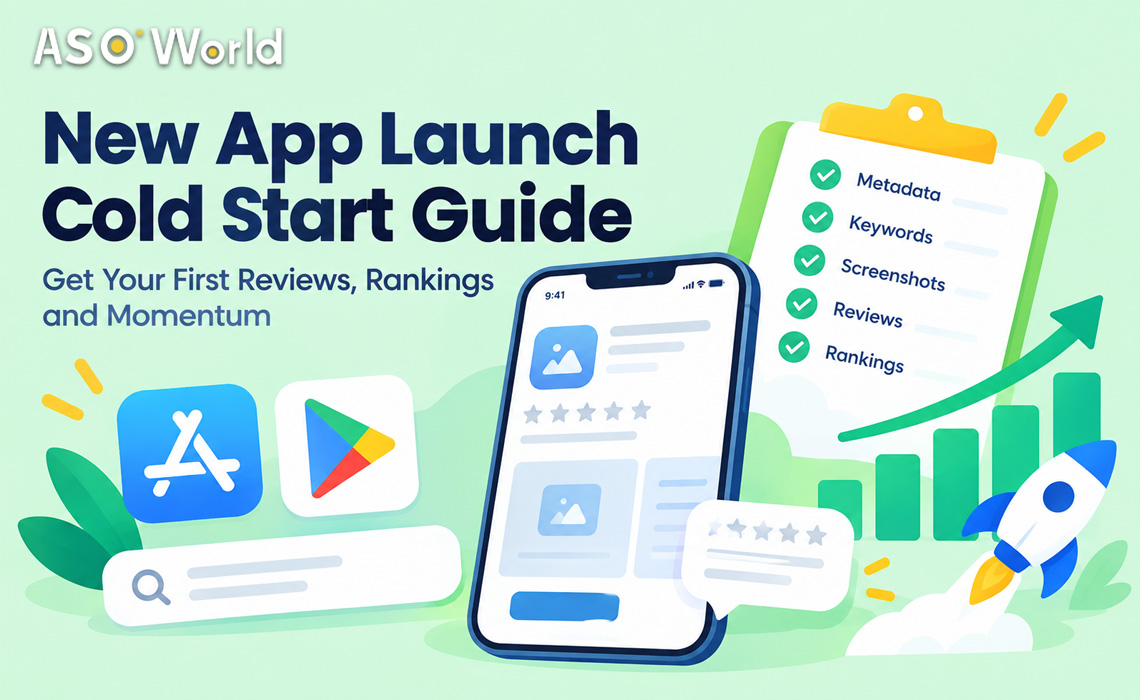
앱을 막 출시했는데 평점도, 리뷰도, 키워드 순위도 표시되지 않는다면 이는 버그가 아닙니다 — 모든 신규 앱의 기본 상태입니다. 앱 스토어가 앱을 어디에 노출하기 전에 필요한 것은 세 가지입니다. 완성도 높은 메타데이터, 초기 설치 수, 그리고 어떤 키워드로 순위를 매길지 판단할 수 있을 만큼의 키워드 신호입니다.
이 가이드에서는 출시 후 첫 2~4주 동안 실제로 어떤 일이 일어나는지, 무엇을 직접 관리할 수 있는지, 그리고 막힌 상태를 해결하기 위한 단계별 체크리스트를 안내합니다.
앱을 막 출시했습니다. 며칠 후 App Store 또는 Google Play를 확인했더니 리뷰는 0개이고, 별점도 표시되지 않으며, 앱을 만들 때 목표로 삼았던 정확한 키워드로 검색해도 앱이 어디에도 나타나지 않습니다.
본능적으로 무언가 잘못되었다고 생각하게 됩니다 — 메타데이터 필드가 거부되었거나, 목록 노출이 억제되었거나, 섀도 밴을 당했다고 말이죠. 하지만 압도적으로 많은 경우에는 그 어느 것도 사실이 아닙니다. 지금 보고 있는 것은 콜드 스타트입니다. 앱 스토어의 알고리즘이 앱을 누구에게 보여줘야 할지 판단할 수 있을 만큼 충분한 데이터를 확보하기 전의 기간을 의미합니다.
콜드 스타트의 작동 원리를 이해하고, 정상적인 현상과 실제로 해결할 수 있는 문제를 구분하는 것은 신규 앱 성장에서 첫 번째 중요한 의사결정 지점입니다. 이를 잘못 판단하면 잘못된 해결책에 불필요하게 비용을 쓰거나, 추진력이 필요한 상황에서 몇 달 동안 가만히 기다리게 됩니다.
Apple과 Google은 모두 별점을 공개적으로 표시하기 전에 일정 최소 평점 수를 요구합니다. 이 기준에 미달하면 앱 스토어는 신뢰하기 어려운 단일 데이터 포인트를 표시하는 대신 아무것도 보여주지 않습니다. 이는 앱에 대한 불이익이 아니라 의도적인 디자인 선택입니다 — "리뷰 2개 기준 별점 4.0"이라는 목록은 별점이 전혀 없는 것보다 사용자에게 훨씬 더 큰 오해를 줄 수 있기 때문입니다.
실질적으로 이는 첫 몇 개의 진정성 있는 리뷰가 특히 중요하다는 뜻입니다. 이 리뷰들이 바로 공개 노출 기준을 충족하게 해주기 때문입니다. 또한 첫째 주와 둘째 주의 리뷰 증가 속도가 출시 후 6개월 시점의 리뷰 수보다 앱 마케터들의 더 많은 관심을 받는 경우가 많은 이유이기도 합니다 — 초기 리뷰가 별점 표시를 활성화하고, 별점 표시는 목록 페이지에서 가장 강력한 전환 신호 중 하나이기 때문입니다. 출시 계획에 첫 리뷰를 확보하거나 빠르게 늘릴 의도적인 방법이 포함되어 있지 않다면, ASOWorld의 보장 리뷰 서비스가 바로 이러한 공백을 위해 만들어졌습니다 — 리뷰에는 30일 유지 보장이 제공되므로, 확보한 노출 효과가 실제로 유지됩니다.
두 플랫폼에서의 키워드 순위는 검색어와 메타데이터를 단순히 대조하는 정적인 조회 결과가 아닙니다. 이는 관련성(제목, 부제목, 설명이 해당 검색어와 실제로 일치하는가)과 성과(해당 검색어를 통해 앱을 발견한 사람들이 실제로 설치하고 계속 사용하는가)를 결합한 실시간 신호입니다.
신규 앱은 첫날부터 관련성 신호를 보유합니다 — 메타데이터를 직접 작성했기 때문입니다 — 하지만 성과 기록은 전혀 없습니다. 알고리즘에는 특정 키워드로 앱의 순위를 매겼을 때 검색 사용자에게 좋은 결과를 제공할 것이라는 사실을 확인할 방법이 없습니다. 이러한 확인은 실제 검색 및 설치 행동이 시간이 지나며 축적될 때만 이루어지기 때문에, 완벽하게 최적화된 신규 목록이라도 출시 후 첫 2~3주 동안 순위에 나타나지 않을 수 있습니다.
이 시점부터 앱 스토어 최적화는 일회성 메타데이터 작업이 아니라 지속적인 관리 업무가 됩니다. ASOWorld의 핵심 ASO 서비스가 시각적 아이덴티티, 키워드 최적화, 메타데이터를 서로 연결된 시스템으로 다루는 이유도 바로 여기에 있습니다. 콜드 스타트 기간에는 이 세 가지 중 어느 하나도 단독으로 작동하지 않기 때문입니다.
다음 항목을 순서대로 진행하세요. 대부분의 신규 앱에서 발생하는 "왜 작동하지 않지?" 문제는 유료 가속이 필요하기 전에 1~6단계 중 하나에서 해결됩니다.
| 증상 | 가능한 원인 | 첫 번째 조치 |
|---|---|---|
| 앱 이름으로 검색해도 앱이 표시되지 않음 | 색인/메타데이터 거부 | 개발자 콘솔의 경고 확인 |
| 별점이 표시되지 않음 | 최소 리뷰 기준 미달 | 가치를 경험한 순간 이후 리뷰 요청; 보장 리뷰 프로그램 고려 |
| 1주일 후에도 키워드 순위가 0 | 정상적인 콜드 스타트 — 아직 성과 기록이 없음 | 알고리즘 평가 기간이 지나기를 기다림; 너무 일찍 메타데이터를 다시 작성하지 않음 |
| 노출은 높지만 설치가 적음 | 전환 문제(스크린샷/설명과 검색 의도의 불일치) | 키워드가 아니라 크리에이티브 에셋을 개선 |
| 노출은 낮지만 발견된 후 전환율은 양호함 | 노출 문제(충분한 검색어에서 순위가 오르지 않음) | 키워드 범위를 확대하고 설치 기반 순위 지원 고려 |
앱 스토어의 콜드 스타트는 실제로 얼마나 오래 지속되나요?
메타데이터와 크리에이티브 에셋이 적절하다는 전제하에 대부분의 앱은 iOS에서 2~3주, Google Play에서 3~4주 이내에 초기 키워드 순위 변화를 확인합니다. 경쟁이 치열한 검색어에서 순위가 완전히 안정화되기까지는 6~8주가 걸릴 수 있습니다.
키워드 순위를 얻으려면 먼저 리뷰가 필요한가요?
아니요 — 두 요소는 서로 연관되어 있지만 서로 의존하지는 않습니다. 순위는 주로 관련성과 설치/참여 성과에 의해 결정되며, 리뷰는 전환율에 영향을 주고 장기적으로는 유지율 신호에도 간접적인 영향을 줍니다.
친구와 가족을 제외하면 첫 주에 다운로드가 0인 신규 앱도 정상인가요?
네. 순위도, 리뷰도, 외부 마케팅도 없는 신규 앱의 자연 유입은 기본적으로 거의 0에 가깝습니다 — 이것이 바로 체계적인 콜드 스타트 계획(메타데이터, 초기 설치, 리뷰 생성)이 대부분의 초보 앱 마케터가 예상하는 것보다 더 중요한 이유입니다.
키워드를 먼저 수정해야 하나요, 아니면 먼저 설치를 구매해야 하나요?
목표 검색어가 실제 검색 수요와 현실적인 경쟁 수준에 부합하는지 확신할 수 없다면 먼저 키워드를 수정하세요. 키워드 목록이 이미 검증되었고 부족한 점이 성과 기록뿐이라면 설치 기반 푸시가 더 직접적인 다음 단계입니다.
신규 앱의 실제 문제가 노출인지, 전환인지, 리뷰인지 아직 확실하지 않으신가요? 특정 해결책에 비용을 쓰기 전에 위의 진단 체크리스트를 다시 확인하세요 — 먼저 올바른 해결책을 선택할 수 있도록 만들어졌습니다.
Get FREE Optimization Consultation
Let's Grow Your App & Get Massive Traffic!
All content, layout and frame code of all ASOWorld blog sections belong to the original content and technical team, all reproduction and references need to indicate the source and link in the obvious position, otherwise legal responsibility will be pursued.