COVID-19 UPDATE


중요 공지:파트타임 채용이나 ASO 수익 앱 활동을 위해 ASOWorld의 이름을 사용하는 사기에 주의하세요. ASOWorld는 파트타임 직원을 채용하지 않습니다. ASOWorld가 게시한 공식 정보만 신뢰하세요.

iOS 제품 페이지 로컬라이징을 통해 앱 스토어 노출, 키워드 커버리지, 전환이 개선되는 실용적인 가이드.


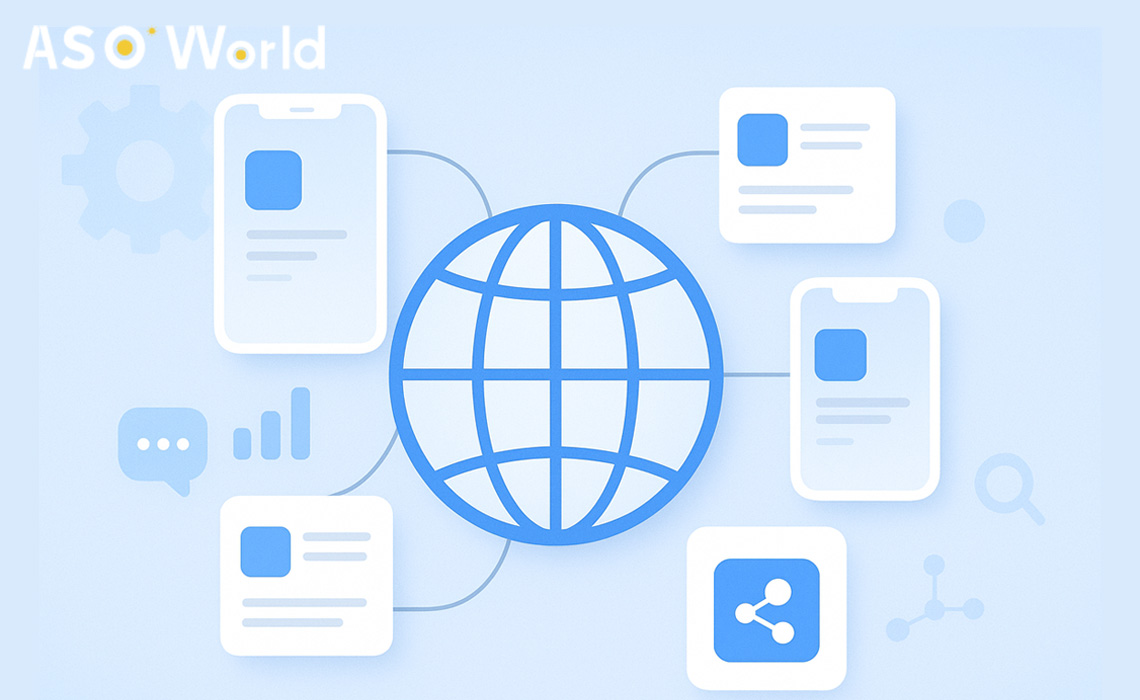
Localizing an iOS App Store product page means more than simply translating text. It involves reshaping your metadata, creatives, and messaging to match the language, expectations, and cultural norms of each market — while remaining aligned with Apple’s technical rules.
This guide breaks down how App Store localization works, why it matters for ASO, and how developers can design high-impact, market-ready pages using data, creativity, and modern ASO workflows.
Localization for the App Store is managed through App Store Connect, where developers can set languages, add localized metadata, manage screenshots, upload previews, and monitor performance.
Although the core principles are similar to Google Play, App Store localization has its own technical rules and behavioural nuances. Understanding these differences is essential for maximizing discoverability and conversion.
Key localized elements include:
These components form the foundation of how your app is discovered and judged by users across regions.
Each App Store locale has a default language and may support additional ones. This affects how keywords are indexed and which version of your page users see.
For example:
|
ISO |
Region |
Default Language |
Additional Supported Languages |
|
USA |
United States |
English (U.S.) |
Spanish (Mexico), French, Korean, Russian, Chinese (Simplified/Traditional), and more |
|
CHN |
Mainland China |
Simplified Chinese |
English (U.K.) |
Practical implications:
This multi-index system is a powerful lever for extending organic reach.
A truly localized product page goes beyond translation and addresses:
Rewritten titles, descriptions, subtitles, and promotional text crafted for local search behavior and cultural tone.
Screenshots and preview videos redesigned to reflect:
On the App Store, screenshots heavily influence conversions — more so than on Google Play — making them a high-priority asset during localization.
Localization should match the in-app experience. When your UI, onboarding, and store page speak the same language and tone, conversion and review quality rise significantly.
While many principles are shared, two major factors differentiate the App Store:
iOS and Android audiences behave differently in certain regions. These behavioural patterns shape how users interact with page elements, especially visuals.
The App Store’s layout places more emphasis on screenshots and less on long descriptions. This changes how localization should be prioritized.
For best results, your iOS localization strategy should be independent — not copied from Google Play.
Investing in a localized product page can deliver strong, measurable improvements:
For ASO practitioners, localization is one of the most reliable levers for compounding organic growth.
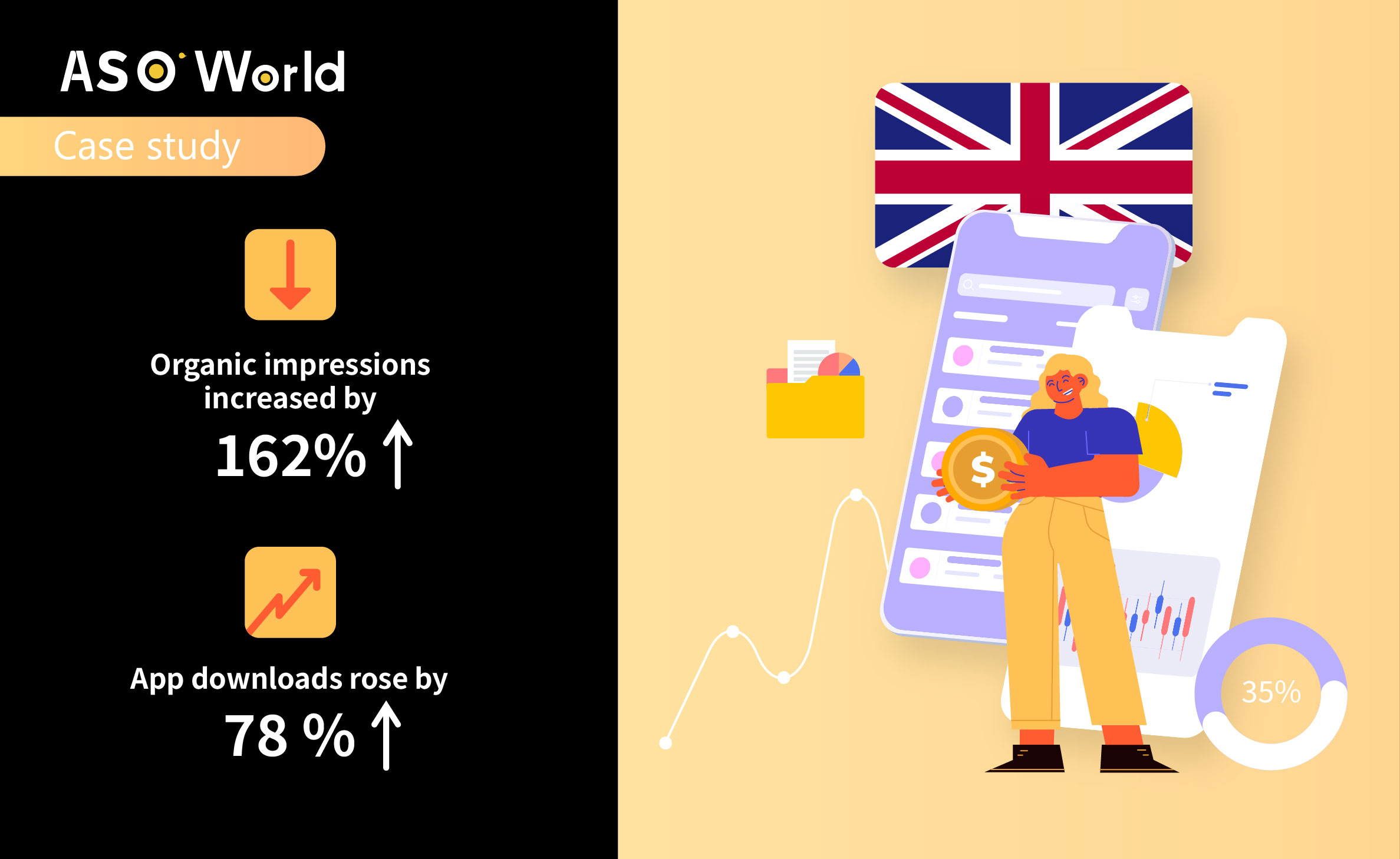
💡 What are the benefits of localization? Discover how a US FinTech app successfully entered the UK market and achieved a +185% boost in App Store visibility through ASOWorld’s data-driven keyword research and localization strategy.
To build a high-impact localization strategy, follow these principles:
Identify how competitors position themselves, what design patterns are common, and which features resonate in local markets.
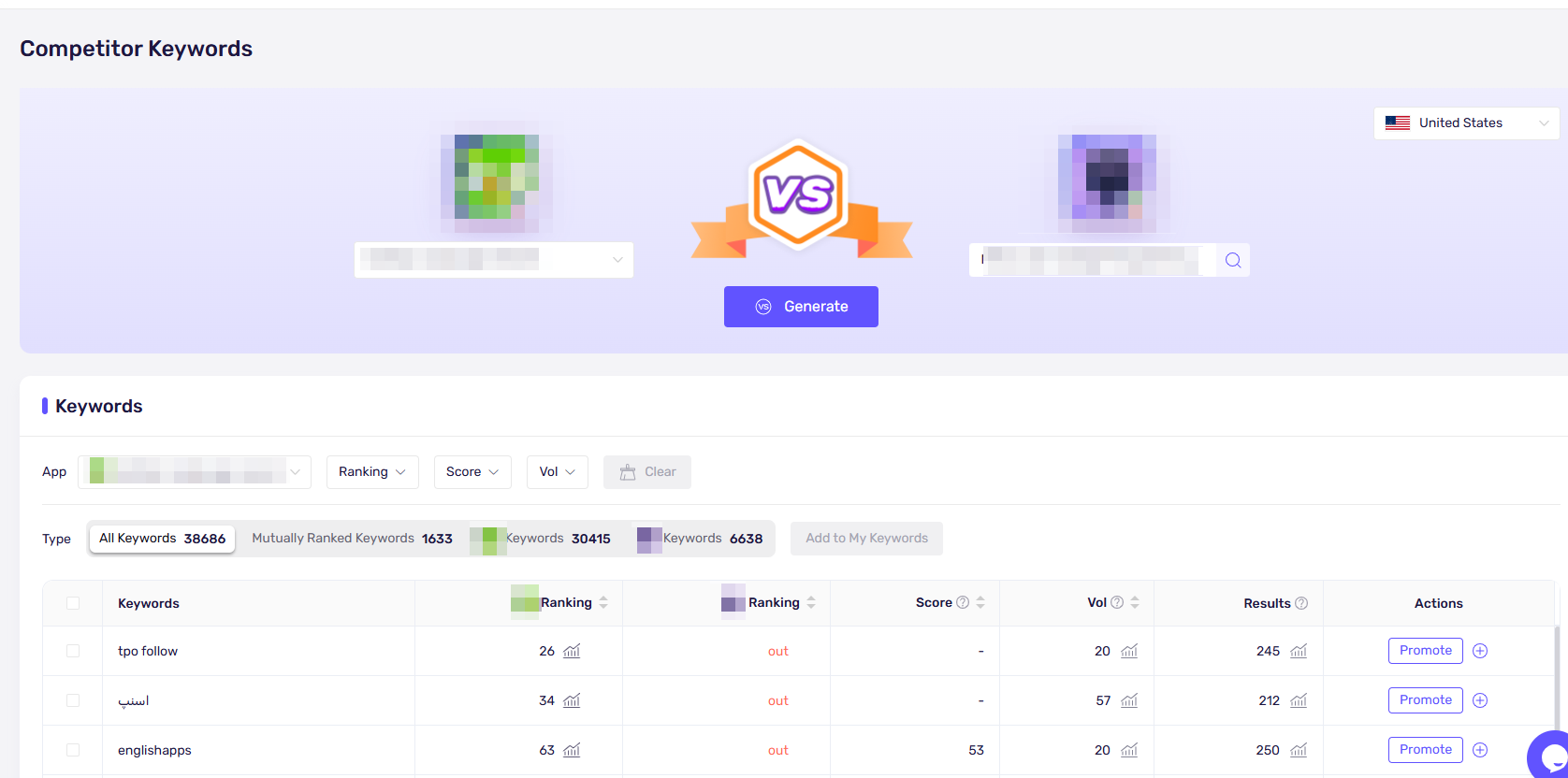
(A screenshot of ASOWorld’s Competitor Keywords feature. It displays the full keyword portfolios of competing apps across regions, enabling ASO specialists to analyse ranking overlaps, identify missed opportunities, and compare keyword targeting strategies in real time.)
Because user behaviour differs from Google Play, treat iOS as its own ecosystem and adapt creative choices accordingly.
👉 App Ranking Factors in 2025: What to Expect from the iOS App Store Algorithm Updates
Each locale has unique search trends. Leverage the keyword field per language to maximize indexation.
👉 Free trial of ASO keyword ranking tools
Visuals drive first impressions on iOS. Prioritize image-heavy assets and adapt messaging density and layout for cultural preferences.
Regional holidays such as Golden Week in Japan or Lunar New Year in China significantly shift user behaviour and should influence metadata updates.
User feedback reveals natural language patterns and identifies misunderstandings in your positioning.
Take advantage of Apple’s extended indexing rules to unlock additional keyword space.
Start simple, then progressively deepen cultural relevance based on performance insights.
Localization is iterative — and the best results come from ongoing experimentation.
ASOWorld provides ASO specialists and developers with a unified platform to streamline localization with precision and automation. Key capabilities include:
With ASOWorld, teams can confidently scale their global ASO operations while maintaining quality and consistency across dozens of languages.
ASOWorld 첫 구매 할인
첫 주문 시 50% 할인받고 앱 성장을 시작하세요!
A localized product page is one of the most powerful drivers of App Store growth — but only when executed with market-specific research, cultural understanding, and continuous optimization.
By combining strategic localization with ASOWorld’s automation and competitive insights, developers can:
Localization isn’t a one-off task — it’s an evolving process that builds long-term competitive advantage.
Get FREE Optimization Consultation
Let's Grow Your App & Get Massive Traffic!
All content, layout and frame code of all ASOWorld blog sections belong to the original content and technical team, all reproduction and references need to indicate the source and link in the obvious position, otherwise legal responsibility will be pursued.