COVID-19 UPDATE


重要なお知らせ:ASOWorld の名前を騙ってパートタイムの採用や ASO 収入アプリ活動を行う詐欺にご注意ください。ASOWorld はパートタイムのスタッフを募集していません。ASOWorld が投稿した公式情報のみを信頼してください。

App Store検索結果におけるAppleの拡張広告と、キーワードや有機成長への影響に関するASOとアプリマーケティングの質問についてのFAQ


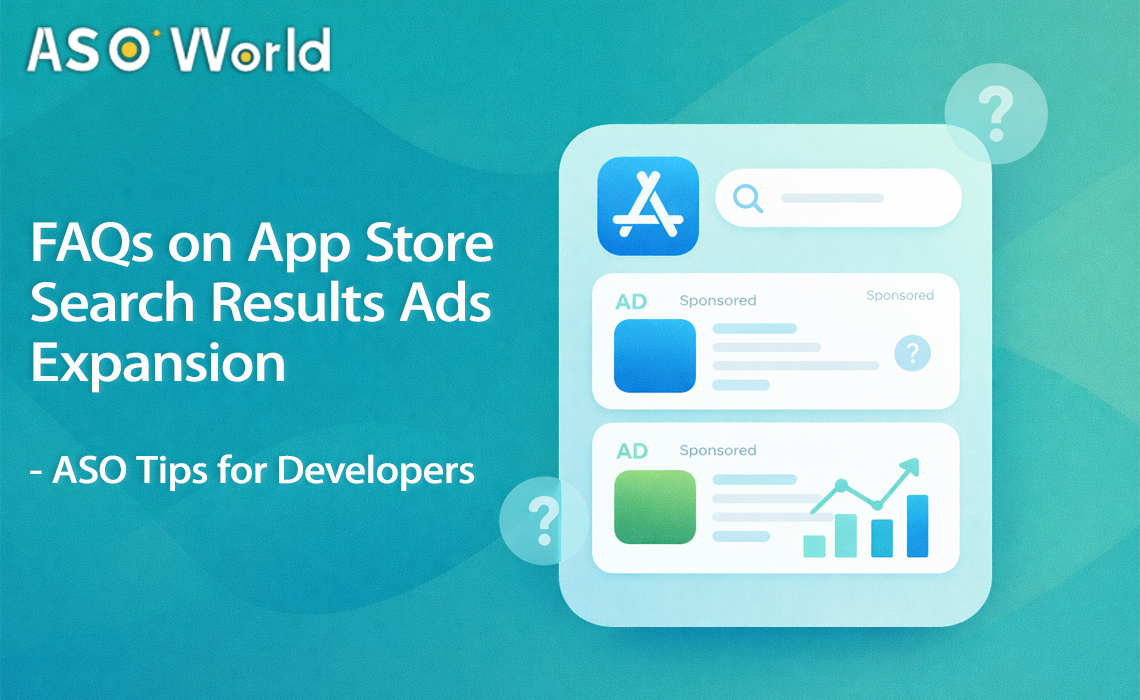
Appleは、2026年よりApp Storeの検索結果に表示される広告枠を拡大することを正式に確認しました。この変更により、現在検索結果最上部に表示されている単一の広告枠の下に、追加のスポンサー枠が表示されます。既存の検索広告キャンペーンは自動的にこれらの新しい掲載枠の対象となりますが、広告主が特定の掲載位置を指定することはできません。掲載順位は引き続き、入札額と関連性のバランスを取るAppleのオークションシステムによって決定されます。
App Storeのインストールの約3分の2が検索経由であることを考えると、このアップデートは有料広告とオーガニック流入を組み合わせた可視性戦略において重要な転換点となります。
オーガニックダウンロードやキーワードパフォーマンスの成長を重視するASO担当者にとって、この変更は複数の戦略的な疑問を投げかけます。以下では、よくある懸念点と実践的な対策を解説します。
ニュース全文はこちら >>> Apple、2026年にApp Store検索広告枠を拡大
広告表示数が増えることで、オーガニックリスティングが下に押し下げられる可能性があります。特にiOS / iPadOS 26.2以降のデバイスにおいて、キーワード順位の再確認が必要です。タイトル、サブタイトル、キーワードフィールドで最も重要なキーワードを維持することに注力してください。
また、ASOWorldの無料キーワードリサーチツールを活用することで、高い成長余地を持つキーワードの特定や競合トレンドの追跡が可能です。
👉 キーワード優先度の実践的な考え方については、ASOWorldブログをご覧ください:キーワードリサーチと最適化でApp Store検索トラフィックを拡大する方法
有料とオーガニックは補完関係として捉えるべきです。
具体的な施策例:
キーワード経由のインストールを強化したいアプリ向けに、ASOWorldのキーワードインストールサービスは、高価値キーワードを効果的に狙いながらオーガニック可視性を維持する支援を提供します。
👉 詳細な戦略は以下の記事をご参照ください: 広告+ASO戦略|有料ユーザー獲得とASOをどう両立するか
Appleでは掲載位置ごとにメタデータを分けることはできませんが、プロダクトページ要素を最適化することで全体的な関連性を高めることは可能です。
👉 関連情報: ASOパフォーマンスマーケティングソリューション
ASOWorld初回購入割引
初回注文で50%オフを獲得して、アプリの成長を始めましょう!
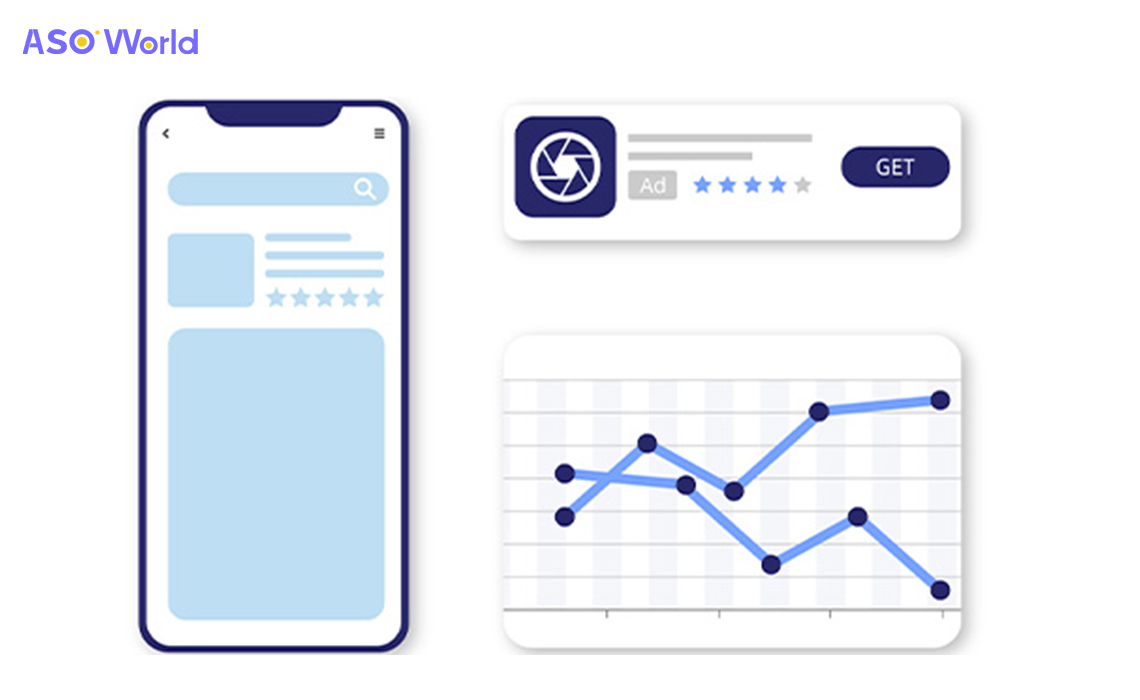
広告密度の上昇により、スポンサー枠へのクリックが増え、上位オーガニック枠のCTRが低下する可能性があります。掲載位置別のCTRとインストール数を追跡し、オーガニックと有料のアトリビューションを分けて分析することが重要です。コホート分析により、流入元ごとのユーザー品質も評価できます。
👉 計測手法については以下を参照してください: 2025年のアプリランキング要因|iOS App Storeアルゴリズムの最新動向
管理が不十分な場合、有料露出がオーガニッククリックを奪う可能性があります。オーガニック順位が弱いキーワードに限定して積極的に入札し、価値と可視性でキーワードを分類することが有効です。パフォーマンスデータを継続的に確認し、入札額を柔軟に調整してください。
はい。ロングテールキーワードには以下の特長があります。
実践ステップ:
デフォルトページはオーガニックASOを安定的に支え、カスタムページは特定のオーディエンスや機能を狙った有料キャンペーンで高い関連性を発揮します。
基本は、オーガニック向けに強固なデフォルトページを維持しつつ、キャンペーン目的に応じてカスタムページを併用するバランス戦略です。
導入前後でのオーガニックインストール数と順位を比較してください。広告を出稿していない対照キーワードを設定することで、自然なトレンドを把握できます。分析ツールとストアデータを統合し、正確なアトリビューションに基づいてオーガニック成長要因を特定することが重要です。
Get FREE Optimization Consultation
Let's Grow Your App & Get Massive Traffic!
All content, layout and frame code of all ASOWorld blog sections belong to the original content and technical team, all reproduction and references need to indicate the source and link in the obvious position, otherwise legal responsibility will be pursued.