COVID-19 UPDATE


Important Notice:Beware of scams using ASOWorld's name for part-time recruitment or ASO earning app activities. ASOWorld is not hiring any part-time staff. Trust only official information posted by ASOWorld.

India is one of the fastest-growing mobile app markets in the world. With hundreds of millions of smartphone users and a rapidly expanding digital economy, the opportunity is enormous.
However, India is also one of the most price-sensitive markets globally. High CPI campaigns and aggressive paid advertising strategies that may work in the US or Europe are often unsustainable for Indian startups.
So how can you grow your app in India with a limited marketing budget?
In this guide, we break down practical, low-cost app marketing strategies tailored specifically for the Indian market in 2026.
India's mobile ecosystem differs structurally from more mature markets.
Android overwhelmingly dominates, making Google Play the primary battlefield for most categories. As a result, metadata optimization, keyword structure, ratings, and conversion assets play a decisive role in visibility.
At the same time, user purchasing power and average revenue per user tend to be lower compared to Western markets. This creates a growth environment where organic discoverability, trust signals, and perceived value matter more than pure advertising volume.
Technical performance is another defining factor. A large share of Indian users rely on mid-range or entry-level Android devices. Storage limitations, slower processors, and variable network speeds directly influence install decisions and retention.
In this context, product efficiency becomes part of marketing strategy.
In highly developed markets, larger app sizes are often tolerated due to widespread use of high-end devices and stable internet infrastructure. In India, however, technical optimization frequently becomes a competitive advantage.
This explains the rise of “Lite” versions across major platforms. For example, Instagram launched Instagram Lite specifically to serve emerging markets, including India. The lighter version reduces storage requirements and data consumption while preserving essential features.

(image from: Google Play Store)
👉 How Lite App Versions Help Mobile Apps Win Users and Drive Growth?
This trend is not limited to social media. Communication tools, e-commerce apps, and utility platforms have increasingly adopted lightweight builds to improve accessibility in bandwidth-constrained environments.
For startups operating with limited budgets, this offers an important lesson: reducing friction can be more powerful than increasing ad spend. A faster, smaller, and more stable application often converts better than a feature-heavy product competing in the same category.
Sustainable growth in India typically follows a structured, optimization-first approach rather than a paid-first model. Below is a strategic framework that prioritizes efficiency over scale.
With limited resources, organic acquisition must be the primary driver of growth.
Instead of competing immediately for broad, high-volume keywords, startups benefit from targeting medium-competition and long-tail phrases that reflect specific user intent. Ranking thresholds in India can be comparatively lower than in highly saturated Western markets, which creates opportunities for smaller teams willing to position carefully.
Metadata decisions should be grounded in observation rather than translation. Searching target keywords directly within Google Play India and analyzing the top-ranking apps reveals recurring wording patterns, frequently used modifiers, and dominant value propositions. Phrases such as “instant,” “secure,” “free,” or “cashback” often appear repeatedly in competitive categories like fintech or gaming.
Small linguistic variations can significantly influence discoverability. For example, “instant personal loan” may perform differently from a generic “loan app,” and “earn rewards” may resonate more strongly than “make money online” depending on context.
The objective is not keyword density, but alignment with real search behavior.
Google Play’s ranking algorithm relies heavily on metadata and user signals. We've broken down these ranking factors in detail here.
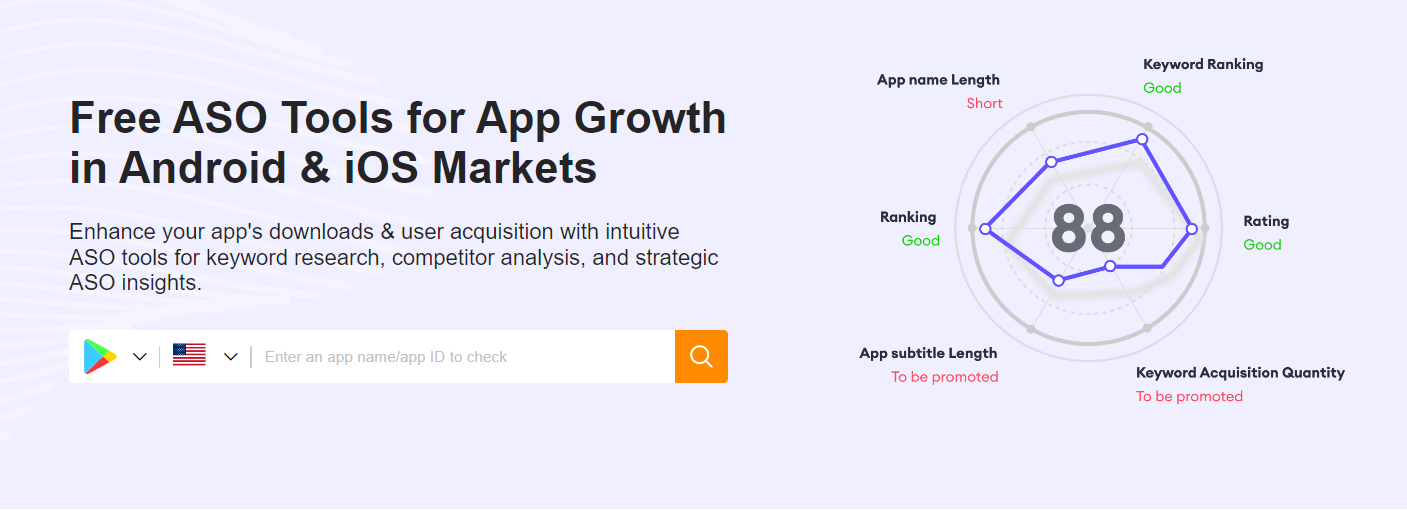
A structured approach to keyword research and competitor analysis is essential, especially for low-budget teams. Leveraging practical Free ASO Tools can help identify ranking opportunities and optimize store listings without significant upfront investment.
India is linguistically diverse. While English remains dominant in app listings, regional languages such as Hindi are increasingly relevant in certain segments.
However, effective localization is not about automatic translation. Each language segment reflects slightly different user intent patterns and messaging preferences. Developers who choose to implement multi-language store listings should treat each version as a strategic adaptation rather than a duplicate.
An English listing may emphasize speed, trust, and security. A Hindi listing, in contrast, may resonate more strongly with ease of use, daily earning potential, or simplicity. The goal is to match user expectations rather than replicate structure.
For low-budget teams, gradual expansion into one additional language is often more sustainable than attempting full-scale multilingual coverage at once.
💡 Expert insights: Not all categories perform equally in India. While gaming and fintech dominate install volume, monetization patterns vary across segments. A closer look at global revenue trends shows that subscription-based and service-oriented apps continue to lead in earnings, even in emerging markets.
For a deeper breakdown of revenue-leading sectors, you can review our analysis of the highest-grossing app categories in 2026.
In India's Google Play ecosystem, ratings and reviews strongly influence both ranking visibility and conversion behavior.
Instead of relying on risky external review tactics, sustainable growth comes from structured in-app prompts, well-timed feedback requests after positive user actions, and rapid technical issue resolution. Even modest improvements in average rating can meaningfully improve install conversion rates.
In cost-sensitive markets, trust signals frequently determine success more than paid visibility.
If your team lacks internal resources to manage review optimization at scale, leveraging a professional App Ratings & Reviews Management Solution can significantly improve efficiency while maintaining compliance with platform guidelines.
India's digital ecosystem is deeply community-oriented. Messaging platforms, niche Telegram groups, WhatsApp communities, and YouTube micro-creators can generate meaningful traction for early-stage apps.
Compared to large-scale influencer campaigns, micro-partnerships often deliver stronger ROI for startups with constrained budgets. Community-driven referral loops and reward-based engagement systems can further accelerate organic growth without requiring large advertising spend.
This model prioritizes trust and engagement before scale.
India's digital activity experiences sharp spikes during key seasonal events such as IPL, Diwali, Holi, and Independence Day.
Rather than distributing limited budget evenly across the year, startups often achieve stronger results by concentrating campaigns around high-traffic windows. Seasonal alignment enhances relevance and reduces the need for continuous paid exposure.
In markets like India, timing frequently multiplies impact.
Growth dynamics in India differ significantly from the United States. While the US market often supports a paid-first strategy due to higher lifetime value, India is more price-sensitive and optimization-driven.
Device distribution and keyword competition further reinforce this contrast. In India, technical efficiency and strategic keyword positioning frequently matter more than aggressive ad spend.
For startups with limited budgets, this shift from scale to optimization creates opportunity rather than limitation.
If you need structured support in optimizing your app for the Indian market, ASOWorld can help design a tailored growth plan.
ASOWorld First Order Discount
Get 50% off on your first order to start your app growth!
Targeting broad, high-volume keywords may look attractive, but ranking requires significant resources. Focus on achievable segments first.
Acquisition without retention is wasteful. Improve onboarding and engagement before scaling traffic.
Slow loading time, crashes, or large file size can quickly reduce ratings and conversion.
India’s app ecosystem is highly event-driven. Missing seasonal opportunities can mean missing major growth windows.
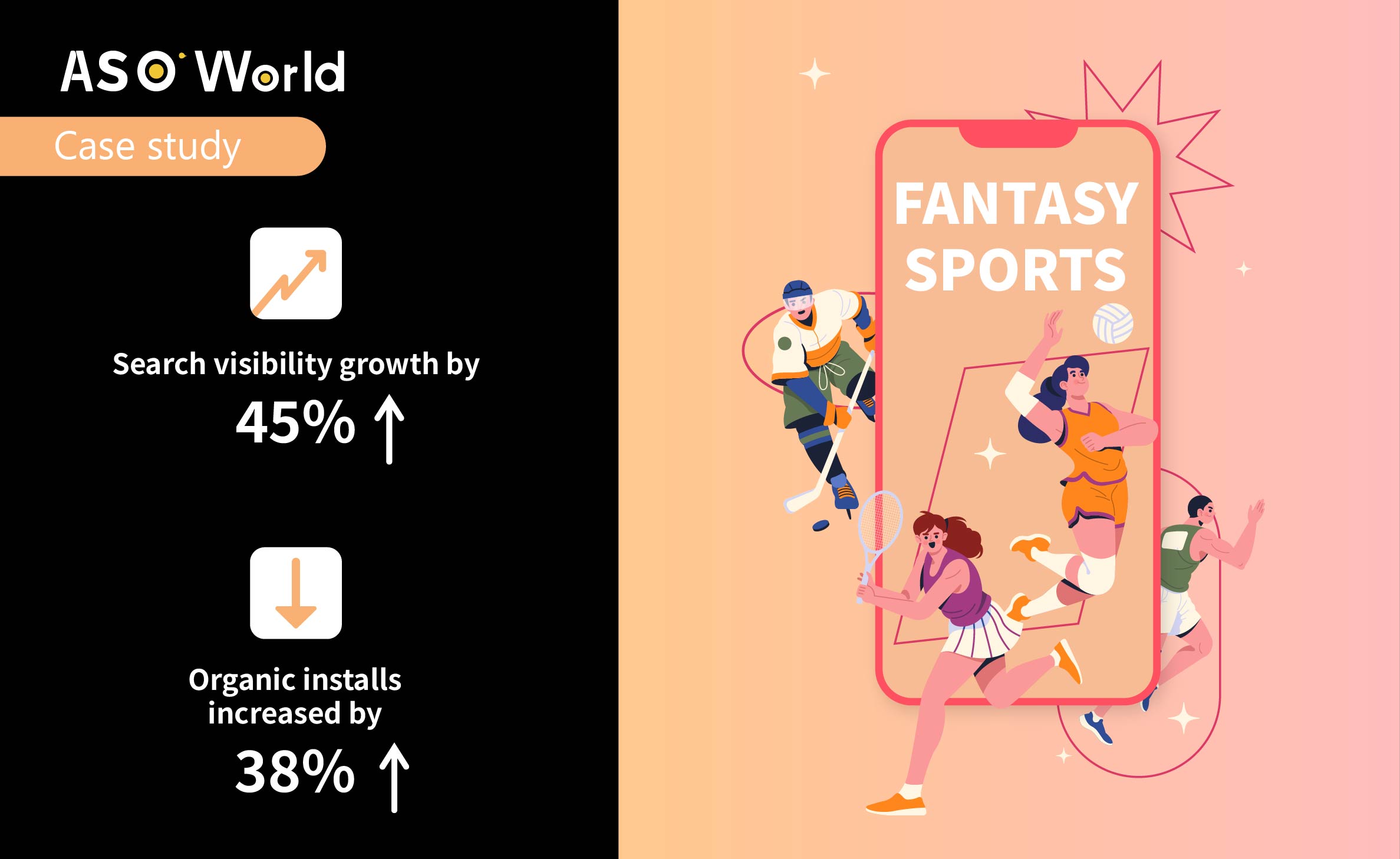
👉 Fantasy Sports App Case Study: +38% Organic Installs on Google Play India with Keyword Optimization
Growing an app in India with a limited budget is absolutely possible — but it requires discipline, prioritization, and data-driven decision-making.
Instead of relying heavily on paid ads, focus on:
For startups operating in cost-sensitive environments like India, sustainable organic growth is often the most powerful competitive advantage.
Get a good start for your app optimization with practical ASO guideline!
Want to get the latest Guides & Insights from ASOWorld?
Related posts