COVID-19 UPDATE


Important Notice:Beware of scams using ASOWorld's name for part-time recruitment or ASO earning app activities. ASOWorld is not hiring any part-time staff. Trust only official information posted by ASOWorld.

Discover actionable ASO strategies for Fortnite's EU iOS comeback via third-party stores. DMA compliance tips, competitor analysis & mobile game marketing tactics.


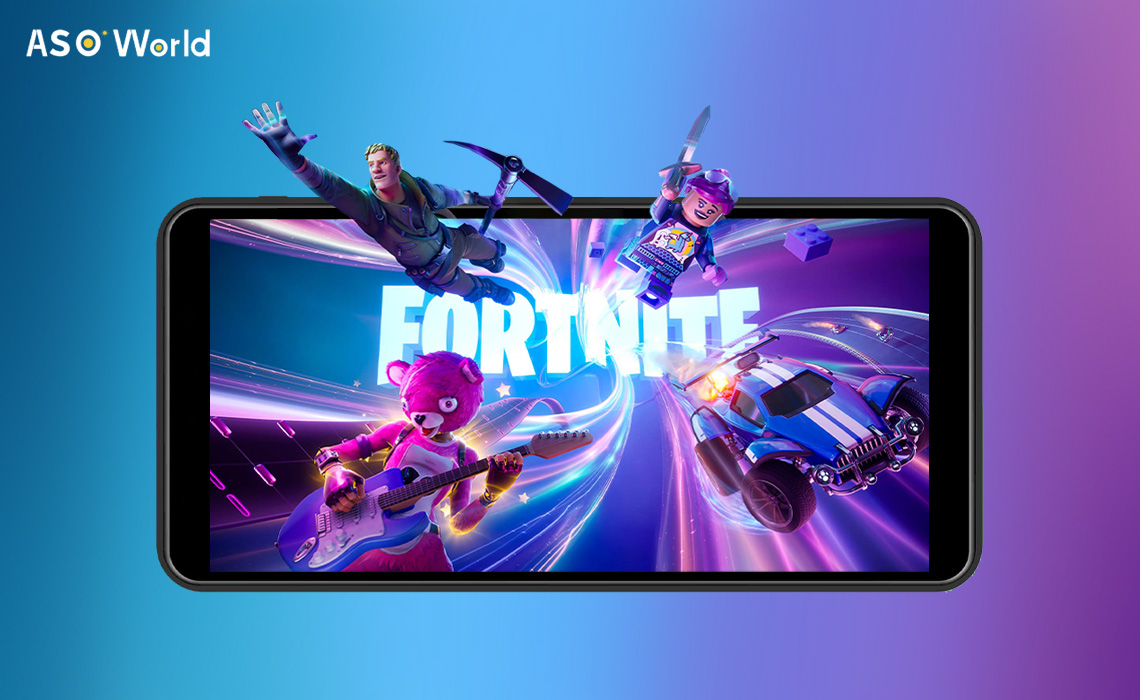
Since its 2017 launch, Fortnite has evolved beyond its origins to become a global gaming phenomenon.
In a remarkable testament to its enduring appeal, Epic Games announced that Fortnite achieved a new peak of 44.7 million concurrent players on the day Season OG debuted.
*This figure eclipsed their previous record set during Travis Scott's virtual concert, which drew 12.3 million attendees.
Statistics indicate that Fortnite will likely surpass 800 million registered users throughout 2024.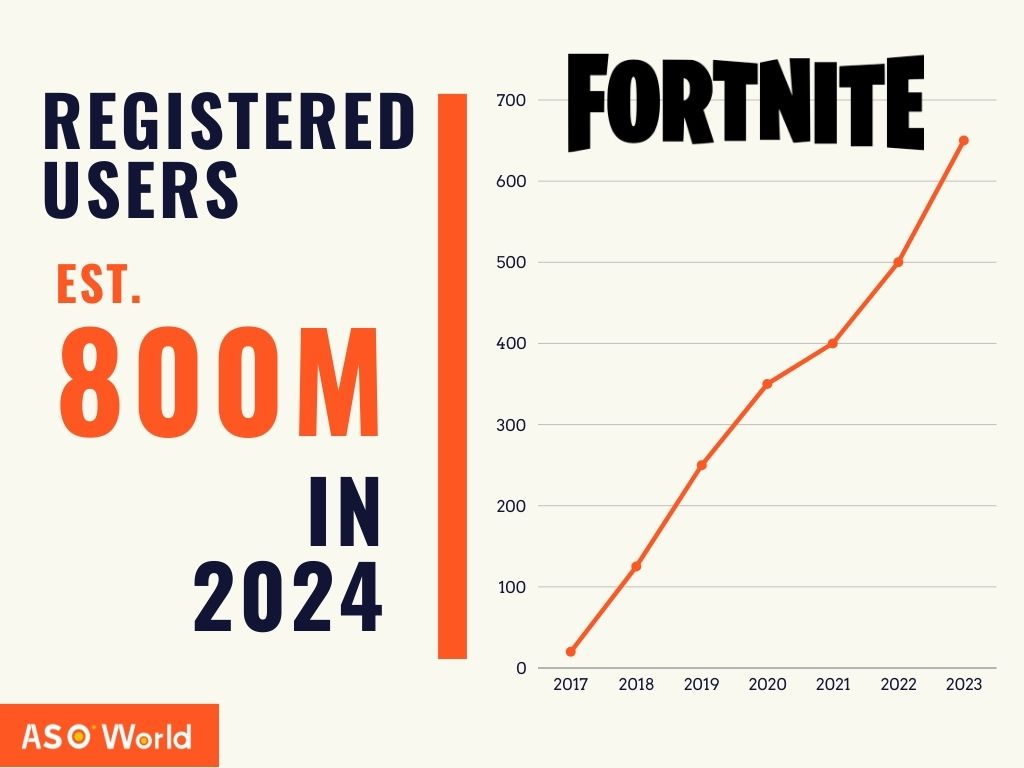
Despite maintaining unwavering dominance in the gaming sector and consistently breaking new ground, Fortnite's journey on mobile platforms has proved turbulent—particularly following its removal from prominent app marketplaces including Apple's App Store and Google Play.
This analysis examines the ongoing saga of Fortnite Mobile, assesses its current market position, evaluates its potential resurgence on iOS devices across Europe, and forecasts trends likely to shape its trajectory moving forward.
Currently, players cannot locate Fortnite on either the iOS or Android official app stores due to ongoing legal disputes between Epic Games and Apple, resulting in the game's removal from these platforms in 2020.
On iOS devices specifically, this resulted in an outdated build frozen at Chapter 2, Season 3, devoid of updates since August 2020.
* For Android users, whilst direct downloads via the Play Store remain unavailable, alternative routes exist through the Epic Games app.
* Services such as Xbox Cloud Gaming or GeForce Now provide streaming options for accessing Fortnite on mobile devices across both operating systems.
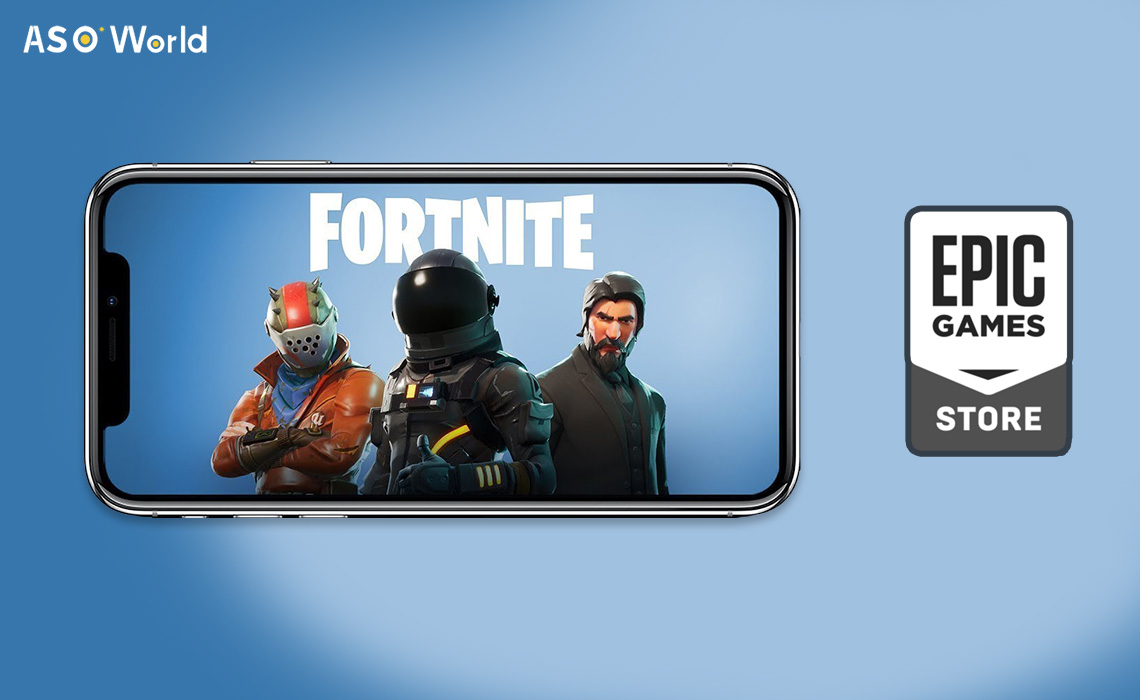
>>> Related Reading: Fortnite Set for iOS Comeback in Europe via Epic Games Store
A pivotal development occurred when @EpicNewsroom confirmed that Fortnite will return to European iOS devices throughout 2024.
This resurgence aligns with regulatory shifts under the EU's Digital Markets Act (DMA), permitting third-party app stores greater freedom within Apple's ecosystem.
Epic Games intends to capitalise on this opportunity by launching its proprietary mobile game store on iOS, with Fortnite serving as a flagship offering.
This manoeuvre represents a significant resurgence for the game on Apple devices following its removal due to disputes surrounding payment methodologies and app distribution policies.
As Fortnite prepares for its return to iOS devices through sideloading and third-party app stores in Europe, it confronts a unique set of challenges. The landscape has evolved considerably during its absence from major app marketplaces.
Fortnite's anticipated re-entry into Europe via iOS in 2024 could potentially reignite interest amongst players who previously enjoyed the game on Apple devices.
However, with four years elapsed since its removal from the App Store and Google Play Store, Fortnite's player base has likely migrated to alternative Battle Royale titles.
Rivals such as PUBG Mobile and Call of Duty: Mobile have established formidable market positions, raising questions regarding Fortnite's ability to re-establish itself effectively after this extended hiatus.
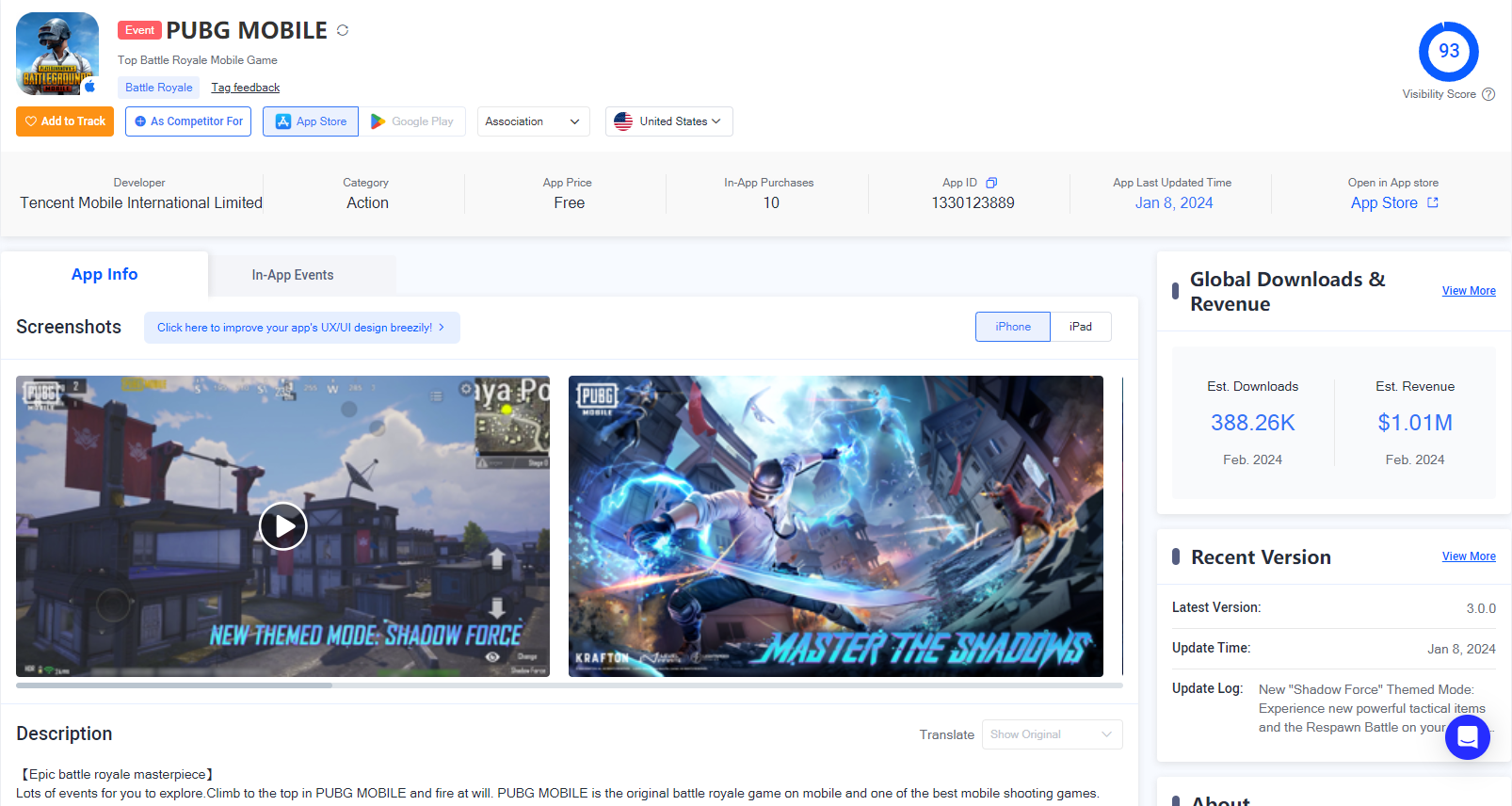
* Data from Foxdata.com
>>> Research Review: How Fortnite Carved Out Market Share and Surpassed PUBG in the Battle Royale Genre

* Data from Foxdata.com
Prior to Fortnite's removal from app stores, both it and Call of Duty: Mobile ranked amongst the premier survival shooter experiences, frequently compared for their graphics, gameplay mechanics, and visual fidelity.
With regulatory changes enabling alternative distribution methods such as sideloading on iOS, traditional App Store Optimisation (ASO) strategies require significant adaptation:
Fortnite's visibility may initially diminish due to its absence from official app storefronts.
However, Epic Games can leverage their brand equity and community engagement to drive traffic towards their proprietary storefront or authorised platforms where users can sideload the game.
Strategic Recommendation: Implement deep linking strategies across all digital touchpoints, ensuring seamless transition from discovery to installation. Utilise QR codes in physical and digital marketing materials to bridge offline-to-online journeys.
User acquisition will depend heavily on external marketing efforts, as standard discovery mechanisms within Apple's App Store become unavailable.
Epic Games must deploy targeted advertising campaigns, influencer partnerships, social media outreach, and community-driven initiatives to direct potential players toward their distribution channels.
Execution Tactics:
Retention efforts become critical when updates cannot be pushed directly through an official store.
Engaging content rollouts and communication regarding new features or patches must be disseminated across all available touchpoints—including social media, email newsletters, push notifications via the Epic ecosystem, and in-game messaging—to maintain player engagement.
Critical Consideration: Establish automated update reminders within the game's UI and via email campaigns to ensure users maintain current versions, preventing fragmentation across your user base.
Brand keywords remain vital even outside traditional app store search mechanisms. Focusing search engine optimisation efforts on web pages where Fortnite is available for download becomes paramount—ensuring that searches related to "Fortnite iOS EU" or "Fortnite mobile download" lead users to legitimate distribution points.
Technical SEO Checklist:
Generic keyword optimisation shifts toward online content creation—including articles, blog posts, video content, and partner sites promoting Fortnite downloads.
Emphasising terms associated with mobile gaming experiences (e.g., "battle royale mobile," "cross-platform gaming," "free mobile shooter") could attract broader audiences searching for entertainment options beyond specific titles.
Content Strategy: Develop comparison content targeting users searching for alternatives to established competitors, capturing high-intent traffic during Fortnite's re-entry phase.
Advanced ASO Implementation:
>>> Comprehensive Guide: Conducting Keyword Research & Maximising App Visibility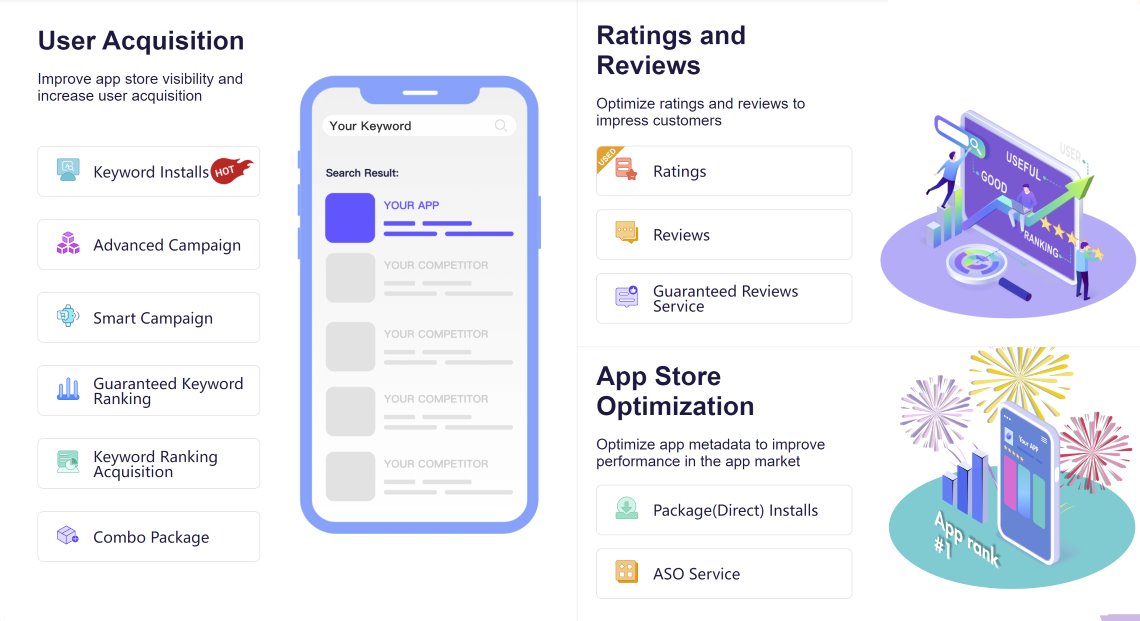
* Accelerate your growth with our bespoke app growth solutions—select a guaranteed app ranking service to secure TOP 5 positions, or maximise traffic through our install acquisition programmes.
* Understanding Guaranteed Keyword Ranking: Value and Methodology
Apple's compliance with EU regulations is expected to catalyse competition amongst app stores, leading to enhanced consumer choice and potentially favourable commercial terms for developers.
This fragmentation necessitates multi-platform optimisation strategies, requiring developers to manage metadata, analytics, and user acquisition across an increasing number of storefronts.
With Fortnite already exemplifying excellence in cross-platform playability, its return to iOS will further emphasise seamless gaming experiences across disparate devices—a trend likely to accelerate in coming years.
Developers should prioritise unified account systems and progress synchronisation to meet evolving user expectations regarding platform-agnostic gaming.
Given Fortnite's extended absence from certain platforms, strategies focused on retaining returning users will prove crucial. Expect innovative limited-time events, brand collaborations, and content updates designed to sustain long-term player interest.
Retention Focus: Implement robust onboarding flows for returning users, acknowledging their previous progression whilst introducing new mechanics gradually to prevent overwhelm.
>>> Bespoke Mobile Game Marketing Solutions
The maturation of esports within Fortnite and broader mobile gaming will drive new tournament formats, dedicated streaming platforms, and increased sponsorship opportunities.
This professionalisation creates novel monetisation avenues through exclusive digital goods, battle passes, and competitive viewing features.
>>> Global Esports Market Report
Developers are expected to explore innovative monetisation frameworks, including in-game advertising and strategic brand partnerships. These approaches enable free-to-play accessibility whilst generating revenue through authentic integrations.
However, transparency regarding data usage and ad personalisation becomes increasingly critical under GDPR and emerging privacy regulations.
Fortnite stands at a critical juncture as it prepares for its European resurgence on iOS devices. This development marks not merely a territorial reclamation for Epic Games, but signals broader industry transformation influenced by evolving legislative frameworks.
As the Digital Markets Act enforcement date approaches, stakeholders must adapt theirapp store optimisation strategies to accommodate fragmented distribution landscapes. Success in this new paradigm requires sophisticated multi-channel user acquisition, robust technical infrastructure for independent distribution, and unwavering focus on community retention.
The effective utilisation of third-party store optimisation, combined with strategic SEO and cross-platform consistency, will determine whether titles like Fortnite can thrive outside walled gardens—or whether the complexity of sideloading creates insurmountable friction for mainstream adoption.
Select "Learn More" to accelerate your apps & games business with ASOWorld's comprehensive app promotion solutions today.
Get FREE Optimization Consultation
Let's Grow Your App & Get Massive Traffic!
All content, layout and frame code of all ASOWorld blog sections belong to the original content and technical team, all reproduction and references need to indicate the source and link in the obvious position, otherwise legal responsibility will be pursued.