COVID-19 UPDATE


Important Notice:Beware of scams using ASOWorld's name for part-time recruitment or ASO earning app activities. ASOWorld is not hiring any part-time staff. Trust only official information posted by ASOWorld.

Discover an objective overview of iOS 18, detailing its scheduled release, UK customisation features, Apple Intelligence integration & full compatibility list.


Unveiled at WWDC 2024 in June, iOS 18 represents Apple's forthcoming operating system iteration, scheduled for public deployment in September. iOS 18 introduces foundational structural changes to the iPhone and iPad ecosystem, incorporating sophisticated AI integrations, refined customisation parameters, and substantial functional improvements across native applications.
This overview provides a systematic analysis of the impending iOS 18 architecture.
Apple is projected to launch iOS 18 during the week commencing 16 September 2024. Historical deployment data indicates that foundational iOS updates are typically rolled out in mid-September, establishing a consistent operational pattern.
Historical reference points:
Upon public release, the software acquisition process will follow standard protocol. Users can initiate the installation by navigating to Settings > General > Software Update on their designated hardware.
Apple initiated its beta testing programme shortly after the software's initial presentation at WWDC. The developer build is currently accessible for evaluation; however, it is essential to recognise that pre-release software inherently contains stability issues and algorithmic bugs. Consequently, installation on primary operational hardware is generally ill-advised.
👉 For technical breakdowns of the beta cycles, consult the following resources:
iOS 18 delivers expanded customisation frameworks for the Home Screen, Lock Screen, and Control Centre. Users possess the capability to position application icons autonomously within the grid layout, including beyond the standard dock perimeters. The Control Centre has undergone structural revision to facilitate more efficient access to operational toggles, encompassing third-party API controls.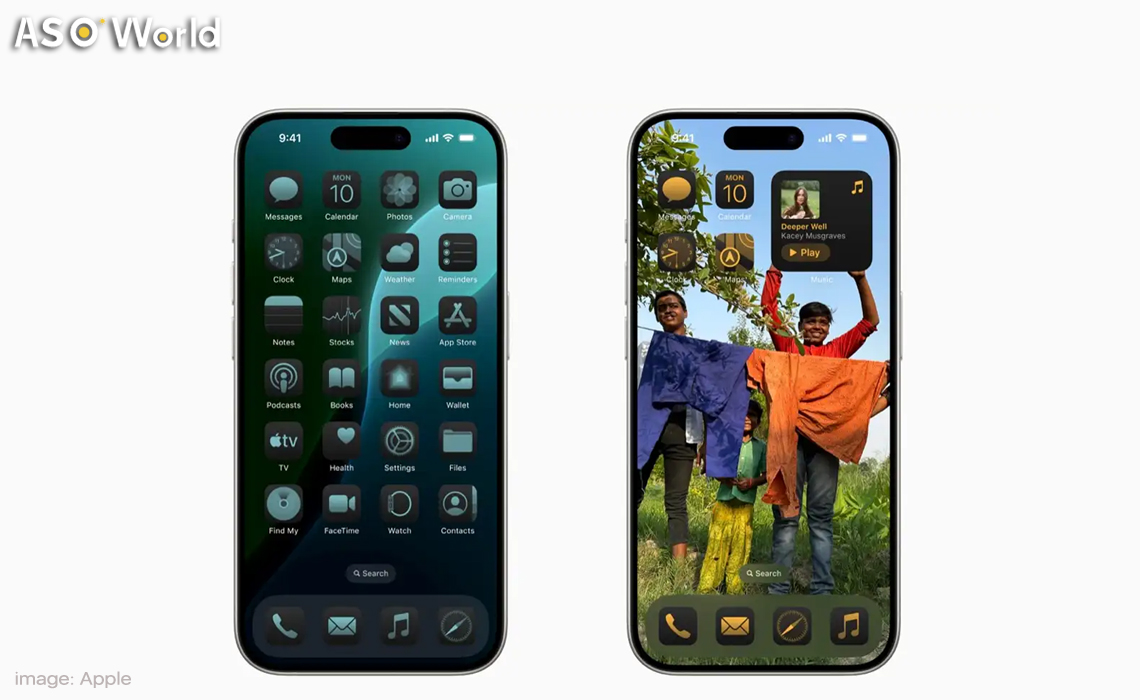
The native Photos application incorporates its most extensive structural overhaul to date. Revisions include a Unified View interface, automated Collections, and advanced categorisation filters. The system permits users to index visual data via algorithmic topics, chronological mapping, facial recognition, and geolocation. A dynamic carousel interface will automatically aggregate computational daily highlights featuring frequently documented subjects, including preferred individuals and locations.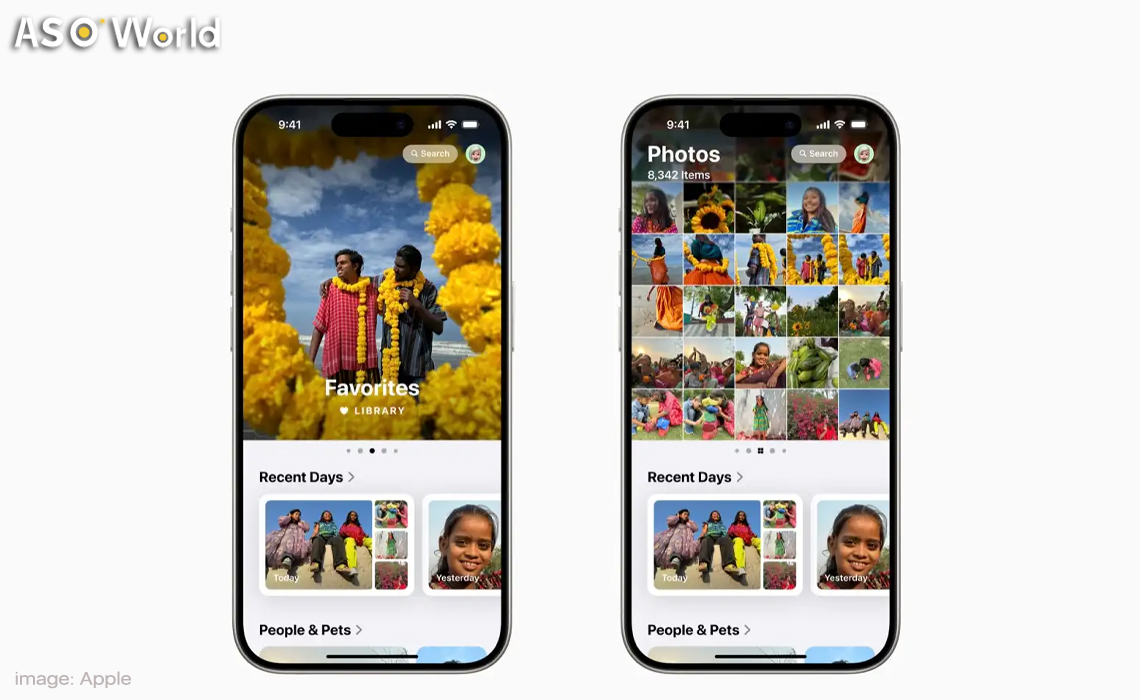
The Messages protocol in iOS 18 is updated to support specific typographic formatting, expanded emoji interactions, and scheduled transmission capabilities. Critically, the platform will integrate RCS protocols to establish reliable, cross-platform data transmission with non-Apple hardware, while simultaneously introducing satellite-based text capabilities for off-grid scenarios.
👉 For further technical specifications, refer to RCS Integration and Message Scheduling within the Apple Messages Application.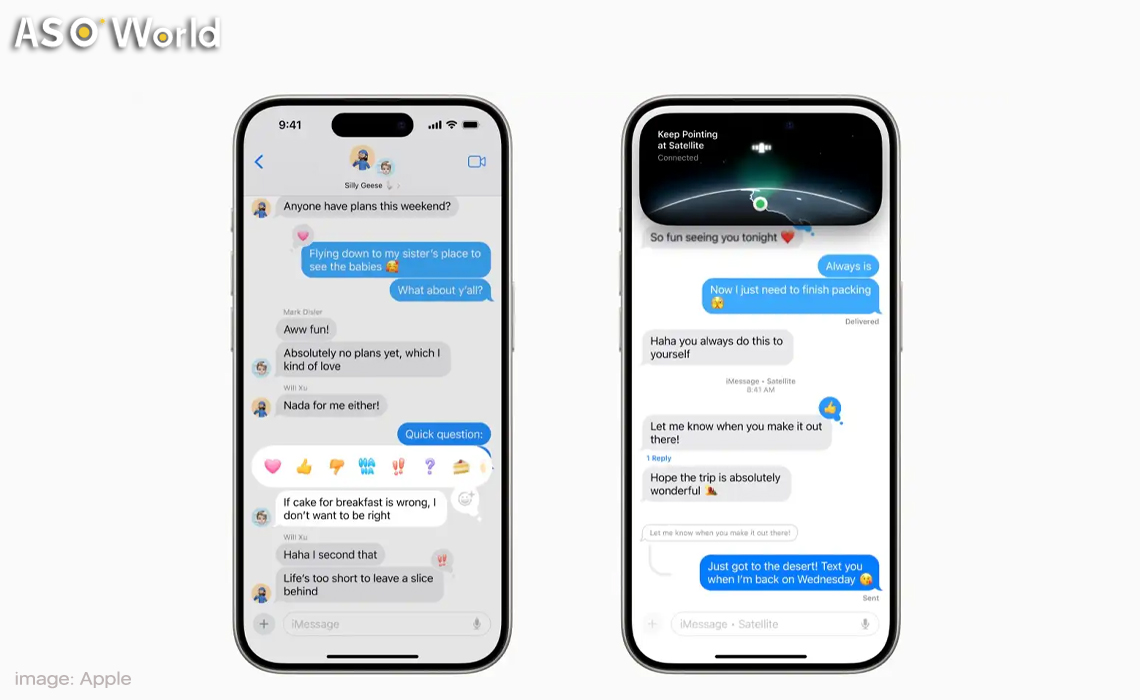
The Mail application introduces on-device algorithmic categorisation designed to optimise inbox management. Incoming data will be autonomously partitioned into specific classifications: Primary (time-sensitive metrics), Transactions (receipt data), Updates (social network pings), and Promotions (marketing communications).
Additionally, a sophisticated Digest mechanism will compile disparate data modules from a single commercial entity—such as sequential flight itineraries—into a consolidated interface structure. These categorisation protocols are projected for final deployment in late 2024.
Safari integrates a novel Highlights function engineered to streamline data extraction. The refined Reader interface utilises machine learning algorithms to isolate and emphasise critical data nodes within a webpage, ensuring optimal information retrieval.
For extensive documentation, an automated table of contents is generated. Geospatial mapping and audio plug-ins are also embedded natively within the browser, permitting users to reference business locations or execute media playback without navigating away from the article.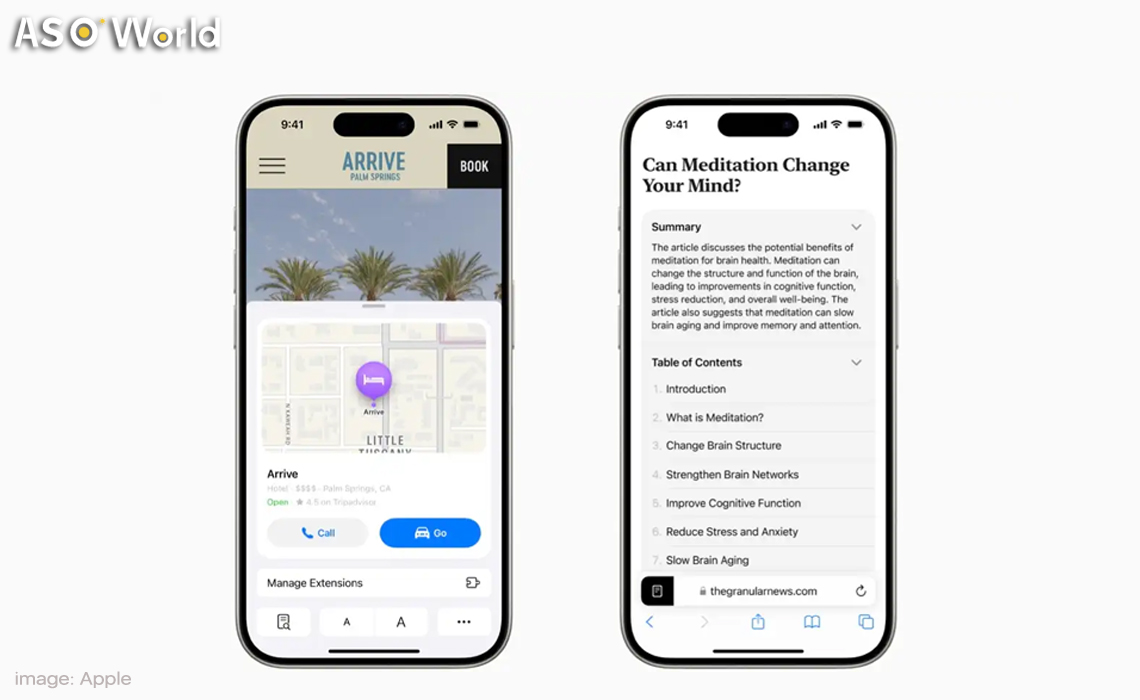
iOS 18 scales Apple Pay transactional logic. Users can execute peer-to-peer monetary transfers via primary hardware proximity. This Tap to Cash protocol facilitates secure financial exchanges without requiring the transfer of contact details or email addresses.
Furthermore, digital tickets housed within Apple Wallet will encompass enriched event metadata, integrating venue schematics and curated programmatic links, such as associated Apple Music catalogues.
iOS 18 tightens baseline cryptographic controls, presenting users with granular settings to regulate application visibility, manage specific contact database access, and dictate Bluetooth or network accessory permissions. Native applications can now be individually secured via Face ID biometrics or alphanumeric passcodes.
👉 For an analytical perspective on regulatory impacts, consult Apple Intelligence and EU Regulations: A Deep Dive into Privacy Challenges.
Apple's proprietary machine learning schema, Apple Intelligence, is foundational to iOS 18, macOS Sequoia, and iPadOS 18 frameworks. Hardware prerequisites dictate that these advanced computational features are strictly limited to the iPhone 15 Pro series and subsequent iterations. The AI layer enables systemic generative text algorithms, visual synthesis capabilities, and sophisticated memory compilation processing within the Photos environment.
👉 For enterprise-level details, access the WWDC 2024 Briefing: Apple and OpenAI Collaboration for ChatGPT Integration.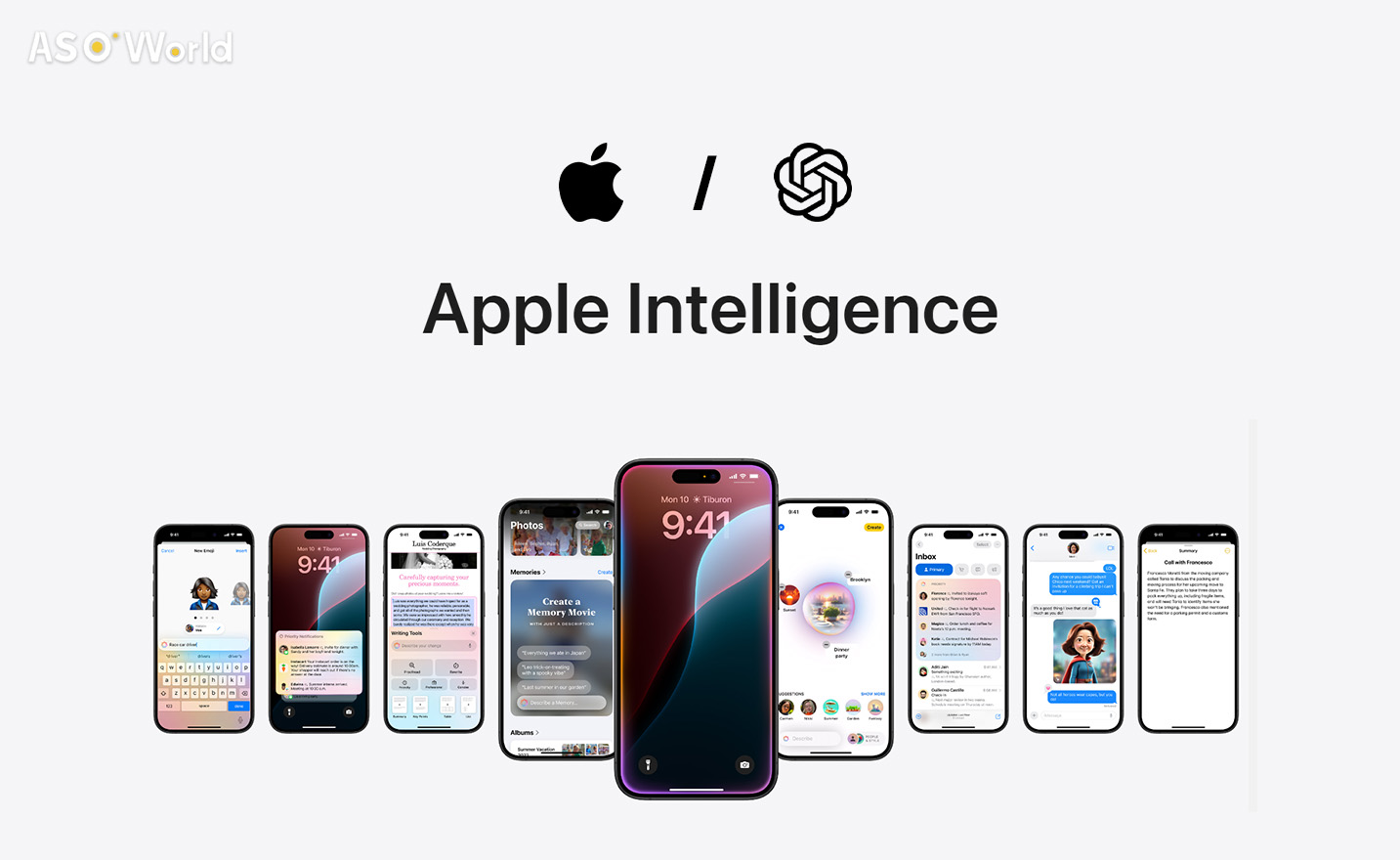
*Notes: Potential Delay of Apple Intelligence to the iOS 18.1 Release Branch
iOS 18 deployment is verified for the following iPhone models:
It should be noted that advanced, processor-heavy elements (notably Apple Intelligence) contain firm hardware restrictions and will bypass legacy models.
The ensuing iOS 18 architecture represents a robust systematic upgrade, prioritising granular UI customisation, stringent consumer data privacy measures, and the foundational rollout of Apple Intelligence API frameworks.
While cutting-edge machine learning tasks are tethered to recent processing chips, the overarching software patch delivers quantifiable functional utility across the broader hardware catalogue. The monitored progression of the ongoing beta programme provides critical empirical data regarding Apple's future software strategy.
👉 A Comprehensive Guide to iOS App Development and Platform Selection
 iOS 18 App Store Optimisation & SKAdNetwork,Latest Updates,
Get FREE Optimization Consultation
Let's Grow Your App & Get Massive Traffic!
All content, layout and frame code of all ASOWorld blog sections belong to the original content and technical team, all reproduction and references need to indicate the source and link in the obvious position, otherwise legal responsibility will be pursued.