In the evolving mobile application sector, developers frequently encounter strict policy and algorithmic constraints on platforms such as Google Play. However, abandoning development is not an optimal solution.
The application market extends significantly beyond Google Play. This guide delineates a systematic roadmap for developing an iOS application and achieving broader commercial objectives.
Options for Developing an iOS App
1. iOS App Builders
Utilising no-code application builders, such as AppyPie, enables the rapid deployment of concepts to the App Store, even without programming expertise. Nonetheless, this approach frequently yields sub-standard computational and aesthetic results.
2. Learning iOS Development
For those intending to engineer an iOS application independently or aiming to become competitive software engineers, mastering iOS development is a highly pragmatic option. Acquiring sufficient proficiency to commence building an application can require weeks or months. The learning trajectory is substantial and time-intensive, which may delay the prompt execution of your concept.
3. Hiring an iOS Developer
In a highly competitive marketplace, time-to-market is a critical variable. Engaging a professional—whether a mobile app development agency (comprising expert developers and UX specialists) or a freelance developer—is often a strategic decision. A dedicated team typically offers superior expertise, adaptability, and dependability to fulfil business objectives, ensuring the application demonstrates market distinction.
👉 The 5 Primary Challenges of iOS Application Engineering You Should Know
Steps to Becoming an iOS Mobile App Developer
Step 1: Choose an iOS Language
To initiate iOS application development, one must select between two primary programming languages: Swift and Objective-C. Swift, designated as Apple's official language in 2014, is relatively modern but supported by a highly substantial developer community.
The learning curve for iOS development is contingent upon prior coding experience, familiarity with programming paradigms, aptitude, and time investment. Generally, Swift is regarded as more accessible and serves as an optimal starting point for software engineers.
Step 2: Find an iOS App Development Tutorial that Best Fits Your Learning Style
A multitude of authoritative resources exist for learning Swift and Objective-C. Identifying materials that correspond with your current knowledge base and preferred educational approach is crucial.
Resources for Learning iOS App Development:
- Official Apple Website: Provides Swift resources, encompassing documentation, instructional videos, structured curricula, and interactive Swift Playgrounds.
- Apple Documentation for Objective-C: In-depth reference guides.
- Online Academies: Platforms such as Codecademy, Udemy, Coursera, Pluralsight, and JetBrains provide structured modules, including official Apple Swift courses.
- Literature & In-Person Seminars: Traditional educational methodologies offering comprehensive theoretical and practical knowledge.
Step 3: Enrol in the Apple Developer Program
Prior to initiating development or application execution, registration with the Apple Developer Program is mandatory. Enrolment is available for individuals or organisations, with the latter subject to stricter verification criteria. A complimentary account facilitates the download of Apple’s development and testing toolkits; however, a paid subscription is strictly required to submit applications for review and distribution via the Apple App Store.
Step 4: Download Xcode
Xcode operates as Apple’s integrated development environment (IDE) for macOS, fundamentally required to construct software across iOS, macOS, iPadOS, watchOS, and tvOS. While predominantly utilised for Swift programming, Xcode inherently supports various languages, including Objective-C, C, C++, Java, AppleScript, Python, and Ruby.
The Xcode package incorporates the iOS software development kit (SDK), structural tools, compilers, and frameworks requisite for architecting and encoding an iOS app. Notably, Xcode is exclusively compatible with macOS environments.
Step 5: Design & Build the App
Without empirical input from user experience (UX) and user interface (UI) professionals, an application may exhibit suboptimal functionality. However, Apple streamlines UI design via SwiftUI, its proprietary interface toolkit. SwiftUI operates on declarative programming schemas, defining the visual behaviour of the UI, enabling Xcode to interpret code automatically or facilitate a real-time UI preview.
To commence this phase of the iOS development workflow:
- Initiate a New Project:
- Determine a precise project nomenclature.
- Select SwiftUI if deploying it for the interface architecture.
- Commence with a Single View App for structural simplicity during the initial build.
Access the "Project Name" Group within the Project Navigator:
- Access the "Project Name" Group within the Project Navigator:
- The repository defaults to a "Hello World" output, which can be modified or previewed (by selecting "Resume" within Editor and Canvas modes). This serves strictly to illustrate SwiftUI's operational mechanics.
SwiftUI facilitates expedited development and view translation across distinct platforms, employing automated platform-specific adjustments for container dimensions, padding, spatial alignment, and colour rendering.
Despite its utility, SwiftUI can generate complex computational errors that lack extensive documentation, as the community support ecosystem remains in a maturation phase. Enterprise-level entities should systematically evaluate the engagement of UX designers to conceptualise, critically test, and implement bespoke solutions. Optimally, design and development function as iterative cycles, assimilating empirical feedback to guarantee the application satisfies targeted operational matrices.
Step 6: Test & Deploy
Following the structural completion of the iOS application using Swift, rigorous testing is the next critical phase.
Testing the Application:
- Xcode Simulator: Utilise the Xcode simulation application to emulate app aesthetics and functionality across diverse device models.
- Automated Testing: Implement software units such as the XCTest framework and iOS Unit scripts to conduct meticulous automated assessments.
- Real Device Testing: Execute physical testing protocols on distinct iPhone hardware and varied iOS versions to synthesise actionable user data.
Deploying the Application:
- Preparation for Submission:
- Verify that the application exhibits stability and adheres universally to the latest App Store submission mandates, including the contemporary requirement permitting users to permanently delete their accounts within the app interface.
- App Store Submission:
- Lodge the application for formal review, a process typically requiring 2-3 business days.
- Should a rejection occur, process Apple's structural feedback, execute requested modifications, and commence resubmission.
Adhering to these procedural steps validates the technical integrity of the software, rendering it suitable for deployment on the Apple App Store.
💡 Operational Note:
ASOWorld does not supply bespoke application engineering services. For software development, it is recommended to procure a professional engineering team. Conversely, we supply exhaustive App Store Optimisation (ASO) services, encompassing structural metadata, keyword targeting, and the systematic optimisation of reviews and ratings post-launch. These systematic interventions quantitatively enhance search visibility and user acquisition rates.
👉 For comprehensive operational data, please refer to our documentation: Comprehensive Guide: Navigating the iOS App Launch Procedure.
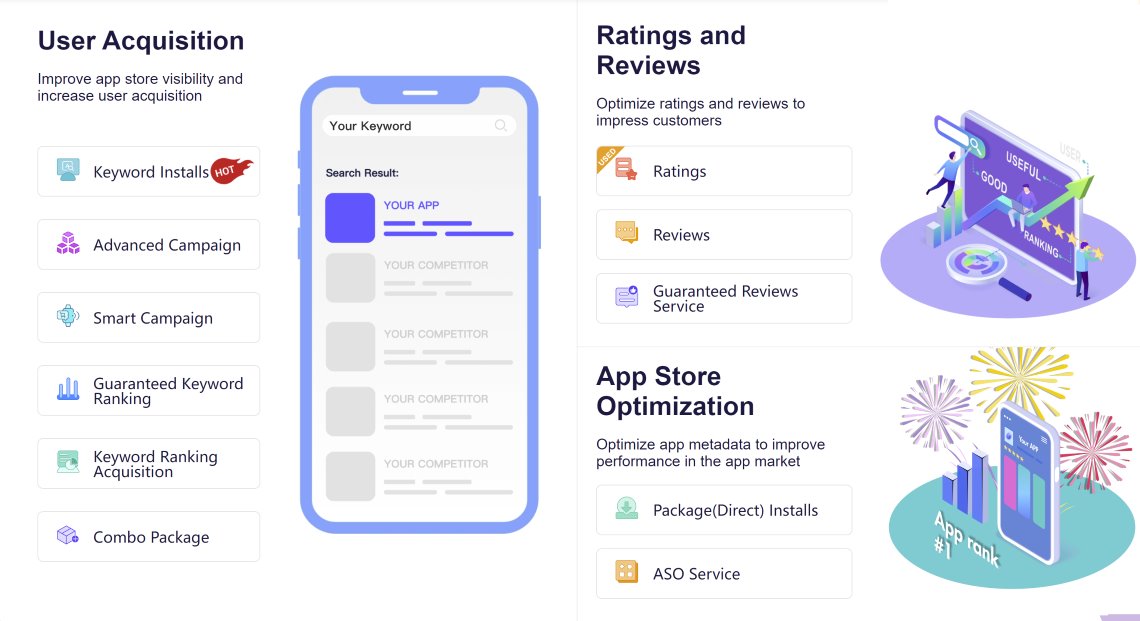
* Scale via our app growth algorithms - deploy an assured application ranking service to acquire targeted TOP 5 algorithmic positioning, thereby maximising objective traffic. Or access the graphic above (for volume-based app install escalation services).
* What Entails the Assured Keyword Ranking Service? Evaluating Its Strategic Advantages
Shorten the iOS Development Learning Curve
Start Small
Commence operations by conceptualising fundamental paradigms and engineering basic applications to validate specific functions and features.
Always Test
Consistently simulate the software via Xcode to standardise compatibility across varying screen ratios, iOS iterations, and computational modules.
Learn at the Right Pace
For novice software engineers, dedicating 2-4 hours daily can result in operational fluency within approximately 6 months, necessitating an additional 3-9 months to engineer a functional application.
Be Patient
Initial deployments frequently exhibit computational errors or suboptimal operational flows. Methodological persistence is required, noting the standard development lifecycle spans 3 to 9 months.
Keep Learning
Maintain current knowledge concerning evolving mobile architecture and statutory requirements via technical journals, institutional forums, and the official Apple developer portal.
💡 Expert Data: At ASOWorld, we possess quantitative, empirical experience in App Store Optimisation (ASO). For detailed strategic formulation, consult our technical briefing: Navigating the iOS App Store Algorithm 2026: Advanced ASO Methodologies for Optimal Visibility.
This dossier dissects the contemporary iOS algorithmic ranking parameters and supplies empirically verifiable methodologies to augment your application's metrics on the App Store.
Frequently Asked Questions
Is iOS development harder than Android development?
iOS programming is typically perceived as less complex owing to the syntactic clarity of Swift when contrasted with Java. Nevertheless, this dynamic is subject to shift as Kotlin matures.
Are Xcode and Swift the same?
No. Swift functions as a programming language, whereas Xcode serves as the requisite integrated development environment (IDE) deployed to construct software within the Apple ecosystem.
Why do iOS apps generate higher revenue?
iOS applications generally yield greater fiscal returns owing to substantial market penetration in demographics such as the UK, Japan, and the United States, where user expenditure per application metrics consistently register higher.
Conclusion
Engineering an iOS application offers a mathematically viable alternative to the constraints routinely observed on platforms such as Google Play. By selecting an optimal architectural path, capitalising on technical resources, and maintaining operational persistence, establishing commercial viability within the iOS software sector is a rational objective.

Select "Examine Further Details" to accelerate your application and gaming commercial frameworks via the ASO World promotional infrastructure today.
 COVID-19 UPDATE