Following the implementation of updated Google Play Store policies, applications failing to meet current functional standards Face an ongoing risk of removal.
This analysis examines the specific criteria defining low-quality applications and outlines preventative methodologies to ensure developers' software complies with regulatory mandates, thereby preventing delisting.
Overview of Google Play's Regulatory Policies
Policy Framework
In July 2024, Google Play revised its policies, which strictly took effect on 31 August 2024. These standards systematically aim to elevate the quality of software hosted on the Play Store, driving user acquisition through superior operational functionality and user experience (UX).
👉 Read more >>> Google Play Policy Revisions: Updated Standards for UK App Developers
Minimum Functionality Regulations
Governed by the "Minimum Functionality" regulations, applications are required to deliver a stable, responsive, and engaging user environment. Software displaying frequent crashes, lacking fundamental utility, featuring repetitive content, or demonstrating erratic behaviours is strictly prohibited from the platform.
Criteria for Identifying Low-Quality Applications
Restricted Functionality and Content
Definition
- Applications exhibiting restricted operational functionality and superficial content.
- Software devoid of specific utility, including builds containing solely text files or PDFs.
- Applications with negligible digital assets failing to foster user engagement, such as single-image wallpaper software.
- Systems engineered without practical, operational utility.
Frequent Breaches
- Static applications devoid of distinct functional features.
- Software relying on minimal and unengaging content matrices.
- Architectural designs lacking practical operational features.
Functional Failures
Definition
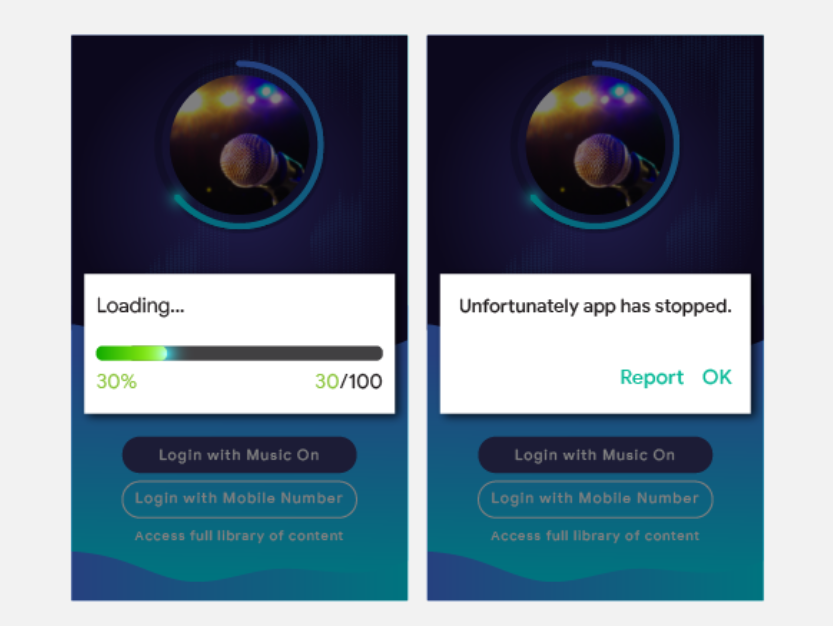
- Applications that crash, force close, freeze, or function erratically during routine operation.
Frequent Breaches
- Applications structurally failing to install.
- Software failing to initialise post-installation.
- Systems demonstrating unresponsiveness post-loading.
(Source: Google)
Preventative Measures: Mitigating Application Delisting Risks
Elevating Application Functionality
To upgrade application functionality, developers must ensure the software operationalises specific, practical features rather than presenting solely static data. The integration of interactive elements, such as peer review interfaces and rating architectures, significantly augments measurable user engagement.
💡 Technical Insight: The core objective is to drive user engagement metrics by incorporating diverse in-app modules, facilitating increased consumer interaction during active digital sessions.
>>> Mobile User Engagement Strategies to Propel Commercial App Growth
Expanding Digital Content
To scale application content, developers must provision robust and diverse digital assets to guarantee sustained user interest. Iterative content updates remain critical to maintaining the application's relevance and market appeal.
💡 Technical Insight: Systematic patch rollouts and structural optimisations are fundamental for sustaining user acquisition and retention cohorts. Consistent updating not only refines core functionality and resolves software defects but also clearly signals active system maintenance, thereby reinforcing consumer trust.
>>> Optimal Frequencies for UK App Store Metadata Updates
Guarantying System Stability
Securing software stability requires rigorous quality assurance (QA) testing across diverse hardware profiles and operating systems. Development units must systematically patch identified defects to provision a reliable operational environment.
💡 Technical Insight: Executing formal mobile application usability testing is essential to verify that new product deployments, feature iterations, or patches allow the target demographic to navigate seamlessly and extract functional value.
Usability testing isolates latent architectural defects prior to public deployment. This systematic protocol ensures a frictionless interface, correlating directly with heightened satisfaction metrics and extended retention cycles.
>>> Improving UX and Conversion Rates Through Usability Testing
Optimising User Experience (UX)
To optimise the UX, developers must systematically analyse consumer telemetry and feedback, using these data points to continuously refine the software. Architecting a streamlined and intuitive user interface (UI) drastically improves measurable satisfaction rates.
💡 Technical Insight: A highly effective methodology for software quality improvement involves benchmarking against leading applications within the identical vertical via competitive market analysis. Extracting validated frameworks and tactical strategies from successful variants provides actionable intelligence for proprietary development.
🔍 ASO Case Study: Examine how a specific dating application achieved a 430% uplift in user retention rates via strategic UX optimisation.

📌 Key Takeaways:
Engineering and marketing units must acknowledge that digital promotion efficacy is intrinsically linked to the baseline architecture of the software itself. Supplying a superior user experience remains the foundational metric for variable commercial viability.
ASOWorld builds infrastructural tools to assist technical teams in advancing their visibility performance and operational standards. If your application adheres to Google Play Store technical guidelines, executing professional App Store Optimisation (ASO) is the requisite subsequent phase, an area where ASOWorld provides structural capability.
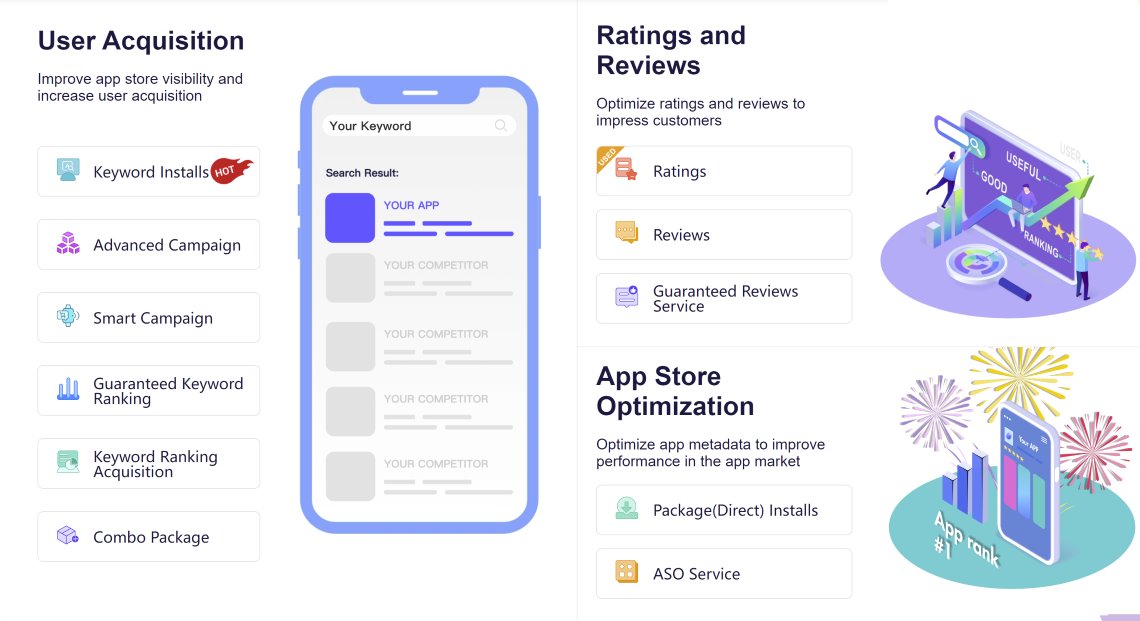
* Scale via our app growth infrastructure - select our guaranteed application indexing services to secure a TOP 5 index position, thereby mathematically maximising organic application traffic.
* Or select the banner above (to leverage services for scaling application installations, processing keyword-targeted installations, and executing systematic application reviews and ratings management to drive visibility).
Conclusion
Under the strict enforcement metrics of Google Play's operational policies, development teams must securely verify that their software structures adhere to rigorous, modern standards concerning functional utility, digital assets, and user experience. By advancing operational features, deploying robust content, guaranteeing code stability, and actively optimising the interface framework, developers systematically mitigate the probability of forced standard delisting while simultaneously scaling baseline satisfaction algorithms.
This technical analysis and the prescribed frameworks deploy actionable guidelines to assist engineering units in interpreting and strictly complying with Google Play's regulatory mandates, guaranteeing the deployment of high-fidelity mobile software.
 COVID-19 UPDATE