Apple's Official Reminder: Get Your Apps Ready for the Festive Season! 🎄
As the busiest period on the App Store approaches, Apple encourages developers to make certain their apps and games are current and prepared for submission.
App Review will keep accepting submissions throughout the festive season, yet owing to expected high demand, reviews may take longer between 20 and 26 December. Submit your time-critical updates early to speed up the process and capitalise on this peak period!
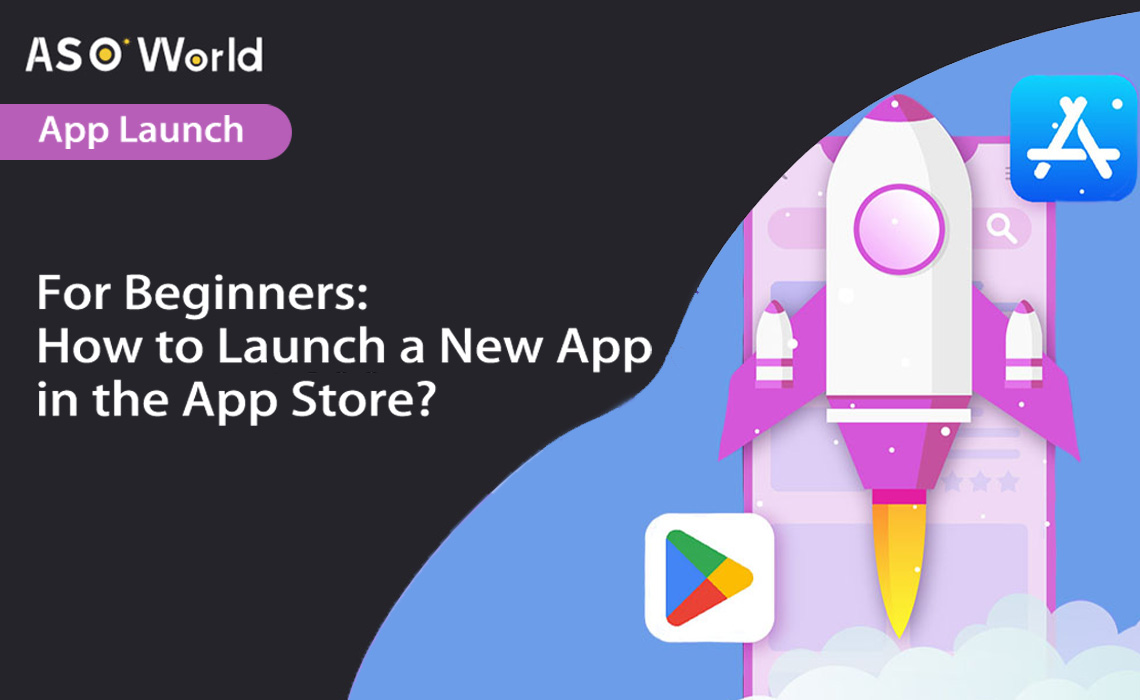
To introduce a successful app in 2026 and beyond, developers need to embrace a strategic approach that adjusts to the constantly shifting landscape. With millions of apps accessible across numerous app stores, distinguishing yourself and attaining success is more difficult than ever before.
In this guide, we shall examine the essential process for successfully launching an app.
App Launch Procedure
The app launch procedure involves several key steps to publish a developed app to app stores. These steps are applicable to both Android and iOS platforms:
1. Setting Up a Developer Account
Prior to launching, developers must register a developer account. This is a prerequisite to guarantee that the app can be published on the app stores.
For iOS, developers must sign up at the Apple Developer Centre; for Android, they need to register at the Google Play Developer Console.
Essential Considerations for Account Management:
- Developer Account Registration: Ensure you register developer accounts on the main app stores (such as the Apple App Store and Google Play). Various platforms may have distinct registration processes and requirements, so be certain to adhere to the respective guidelines.
- Permission Settings: Configure the permissions for team members within the developer account, ensuring that only essential personnel can access and manage app information. This assists in safeguarding sensitive data and preventing unauthorised alterations.
👉 Related reading >>> A Collection of Questions Regarding the Process of Launching an iOS App
2. Getting Your App Ready for the App Store
An app store is a platform through which users can access, download, and install mobile applications on their devices. In essence, it functions as a marketplace for mobile apps.
Before making your application available on a suitable platform, undertake the following steps:
Selecting the Appropriate App Store
Choosing the appropriate app store is vital for a successful application launch. Take into account the following factors when selecting the right store.
👉 Related reading >>> Android versus iOS: Which Platform Should You Build Your App for First?
For example, if targeting users in Asia, Africa, or the Middle East, launching on the Google Play Store is beneficial owing to the high proportion of Android users in these regions.

Fulfil App Store Requirements
Both Apple and Google have particular app store requirements. Below are some common requirements:
- Functionality: Apps must be completely operational, free from bugs or crashes.
- Content: Apps must not include inappropriate or offensive material, such as hate speech, violence, or pornography.
- Privacy: Apps must respect user privacy and refrain from collecting superfluous personal information.
- Intellectual Property: Apps must not violate intellectual property rights.
- Design: Apps ought to have a professional design that complies with the platform's guidelines.
- Performance: Apps should be optimised for performance, with rapid load times and seamless operation.
Produce an App Store Listing
An app store listing is a page that furnishes users with information about the app. It is crucial for promoting the app and persuading users to download and install it.
Obtain our comprehensive guide for ASO beginners, covering all the tips you need to know about ASO on Google Play and the iOS store, to help marketers begin app promotion work more easily.
👉 Related reading >>> A Comprehensive Guide to App Store Optimisation (ASO)


Optimise Keywords for Google’s Search Engine
To ensure your app listing is effective, it must be discoverable. Optimise your app store keywords by following these suggestions:
- Identify popular keywords associated with your app in app stores.
- Concentrate on keywords with high search volume and low competition for optimal app store optimisation.
- Employ keywords that accurately describe your app. Steer clear of generic or irrelevant keywords to prevent low-quality installs.
- Include long-tail keywords for more specific searches.
- Utilise the full 100-character limit for keywords.
- Regularly refresh your keywords based on trends, feedback, and market changes.
👉 Related reading >>> How to Begin ASO Work for a New App: A Step-by-Step Guide for New App Promoters

3. Submitting Your Application
Submit the prepared application to the relevant app store. During submission, complete the basic information for the app, including name, description, screenshots, etc.
👉 Related reading >>> Top 10 Reasons for App Store Rejection in the Past 30 Days
4. App Review
Following submission, the app store will review the application to verify whether it complies with pertinent regulations. This process may take from a few days to a week, depending on the platform's review speed and the complexity of the app.
5. Releasing the App
Once the review is passed, the application will be officially published to the app store, enabling users to search for, download, and use it.
6. Continuous Maintenance
After release, developers must regularly update the app, fix bugs, add new features, and make enhancements based on user feedback. Ongoing marketing is also vital to ensure the app's success.
👉 Related reading >>> How Frequently Should You Update Your App Store Metadata?
Essential Considerations for App Launch
Preparation of App Information
Accuracy of Application Information: Ensure all app information (such as name, icon, description, version number, etc.) is accurate prior to submission. This information directly influences the app's review and release.
Test Accounts: If the app requires user login, provide a set of test accounts for the review team. This guarantees the app's functionality is normal during the review process, preventing rejection due to login issues.
Compliance and Privacy
Privacy Policy: Develop and provide a clear privacy policy explaining how the app collects, uses, and protects user data. This is essential for complying with laws and regulations and enhancing user trust.
Compliance Confirmation: Before release, verify that the app complies with all relevant laws and regulations, including data protection and user privacy requirements. This is often a critical aspect of the app review process.
👉 Related reading >>> Why and How to Improve Privacy Protection to Gain User Trust?
Launch Process and Review
Review Preparation: Carefully read the app store's developer guidelines before submitting the app to ensure it complies with all regulations, reducing the risk of review rejection.
Release Strategy: Choose an appropriate release timing and strategy, considering simultaneous release on other platforms to maximise user coverage and exposure.
By focusing on these key points, developers can effectively manage accounts and related information, laying a solid foundation for the successful launch of their app.
Are You Seeking a Dependable Agency for a Successful Mobile App Launch? Is your app launch in its early stages, or do you have a new app concept in mind?
Achieve your app launch goals with ASOWorld; we provide professional Mobile App Launch Marketing Solutions.
 COVID-19 UPDATE